A city with no plantations and no seaport
That is the paradox. Coffee and cocoa came from far away, but in Turin they found consumers, craftsmen, historic cafés and a culture able to turn imported ingredients into a recognisable urban identity.
Turin grows neither coffee nor cocoa and it is not a seaport. Yet it became one of Italy’s symbolic cities for espresso and chocolate. The answer lies less in raw materials than in the city’s ability to transform them through court culture, craft, engineering and industry.
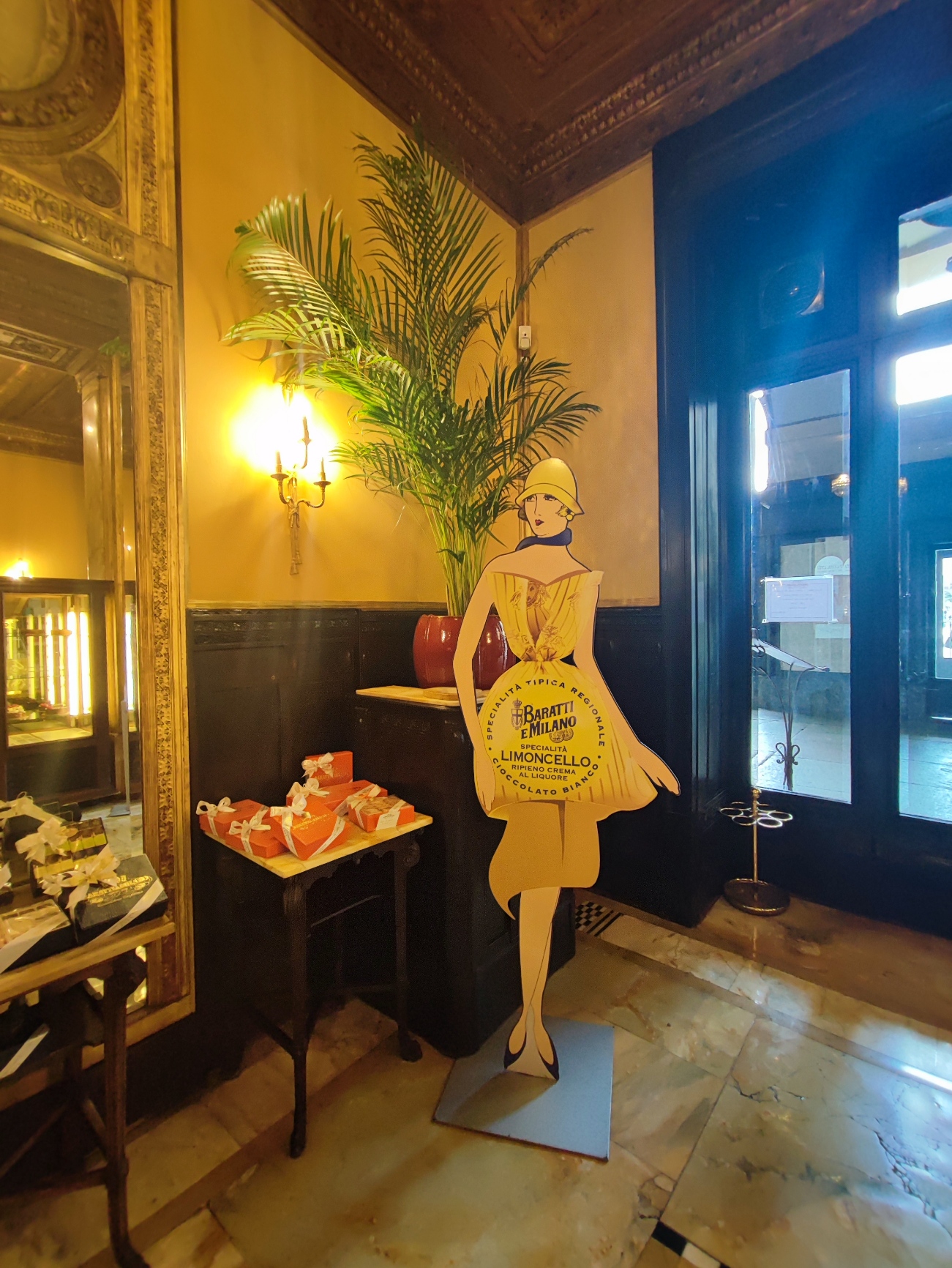
La question est simple : Coffee and chocolate: why Turin?
That is the paradox. Coffee and cocoa came from far away, but in Turin they found consumers, craftsmen, historic cafés and a culture able to turn imported ingredients into a recognisable urban identity.
Chocolate entered Turin culture through the Savoy court in the seventeenth century. Initially a precious ceremonial drink, it gradually moved into the city’s pastry shops and confectioners.
In the nineteenth century Turin developed a strong technical culture. In 1819 Giovanni Martino Bianchini designed a machine to grind cocoa, sugar and spices; Caffarel later used water-powered mills and mixers to produce chocolate at much greater scale.
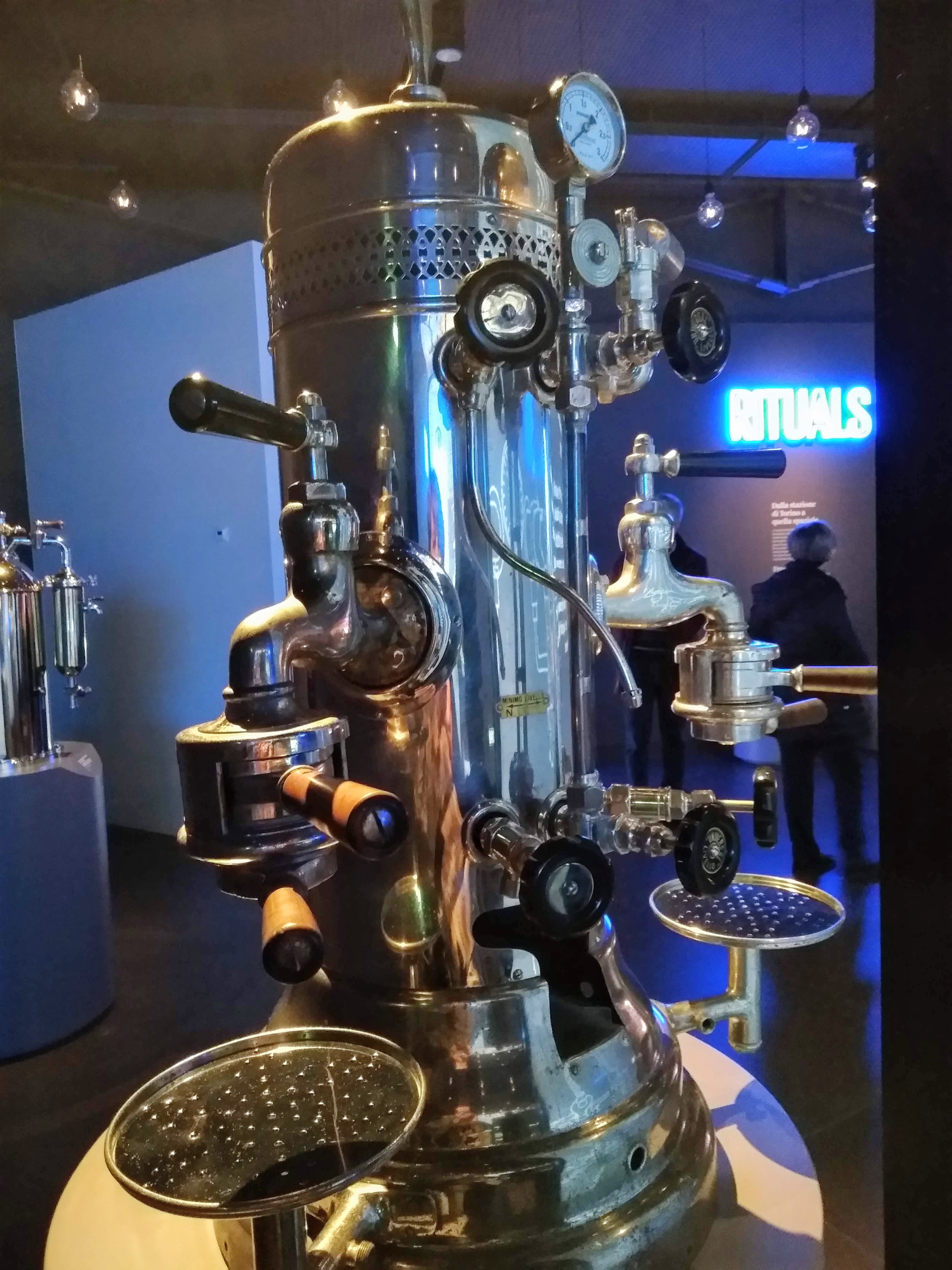
In 1884 Angelo Moriondo presented in Turin a steam-powered machine capable of preparing coffee rapidly in volume. It was not yet modern espresso, but the key idea was already there: use engineering to make coffee extraction faster.
In 1895 Luigi Lavazza opened his first grocery shop in Turin and developed the art of blending coffees from different origins. Turin did not grow coffee: it developed expertise, blending, processing and industry.
When cocoa supplies became scarce during the Napoleonic period, Turin chocolatiers turned to Piedmont hazelnuts. In the nineteenth century this combination evolved into gianduja paste and later the gianduiotto.
Developed in Turin’s nineteenth-century chocolate tradition, gianduiotto combines cocoa with Piedmont hazelnuts. Its distinctive shape and individual wrapping made it one of the city’s symbols.
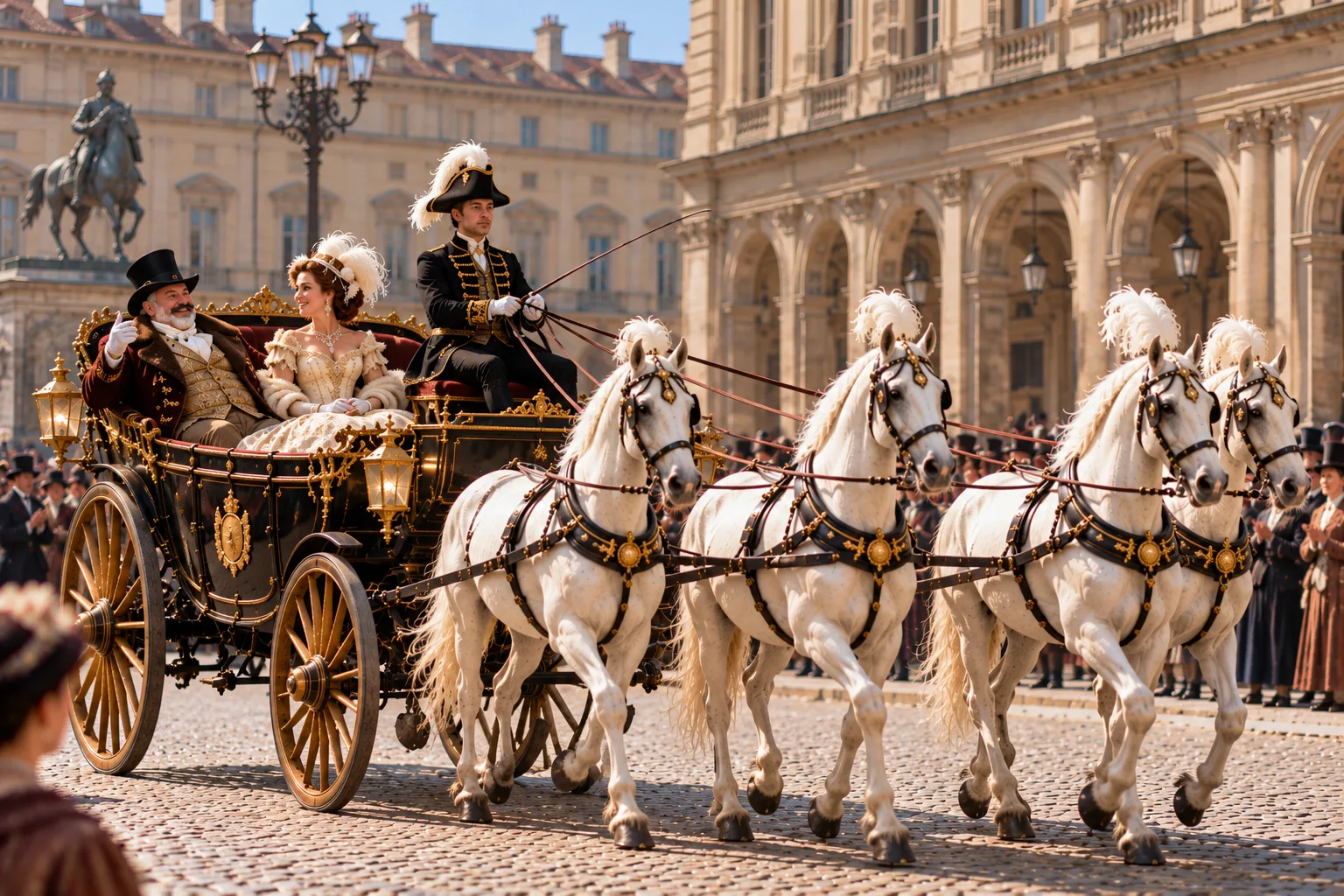
In Turin, “fé na figura da ciculaté” means making a fool of oneself. Tradition tells of a chocolate maker who had become so wealthy that he rode through the city with his jewel-covered wife in a carriage drawn by four white horses. That was precisely the problem: a four-white-horse team was a royal prerogative. Carlo Felice is said to have reacted with irritation when he saw it, giving rise to the expression. The story belongs to Turin tradition, but it vividly reflects the wealth and visibility achieved by some nineteenth-century chocolate makers.
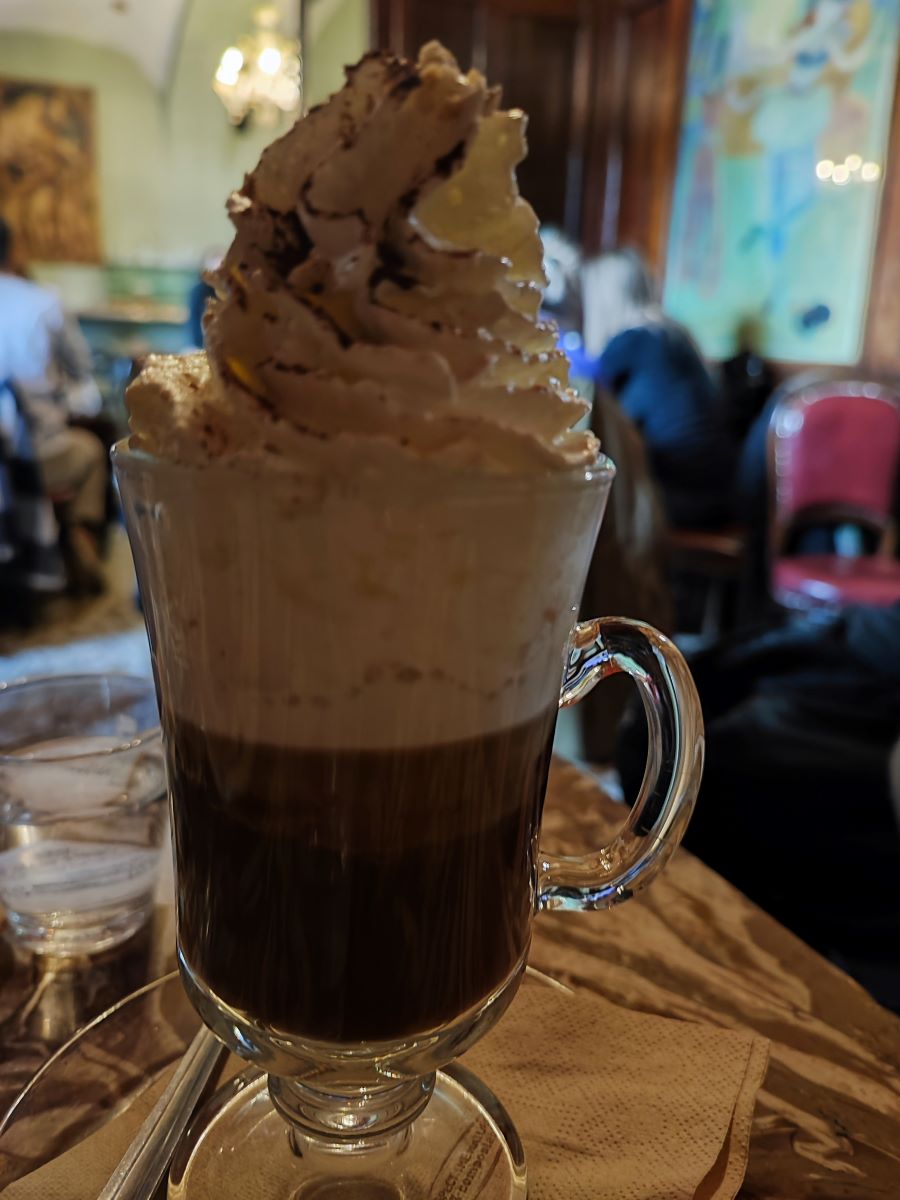
Peu de produits racontent mieux Turin : café et chocolat, deux matières venues de loin, transformées en ville et réunies dans une boisson devenue identitaire.
Turin does not produce coffee or cocoa. It produces transformation.
Its historic strength lies in turning distant raw materials into local identity through technique, taste, machinery, service and industry.