Turin’s historic cafés and meeting places
In Turin, a café is more than somewhere to drink coffee. It is a place to read, talk politics, meet friends, enjoy a pastry and observe the city. From eighteenth-century salons through the Risorgimento and into the twentieth century, these establishments helped shape the culture of public conversation.
When the café becomes an institution
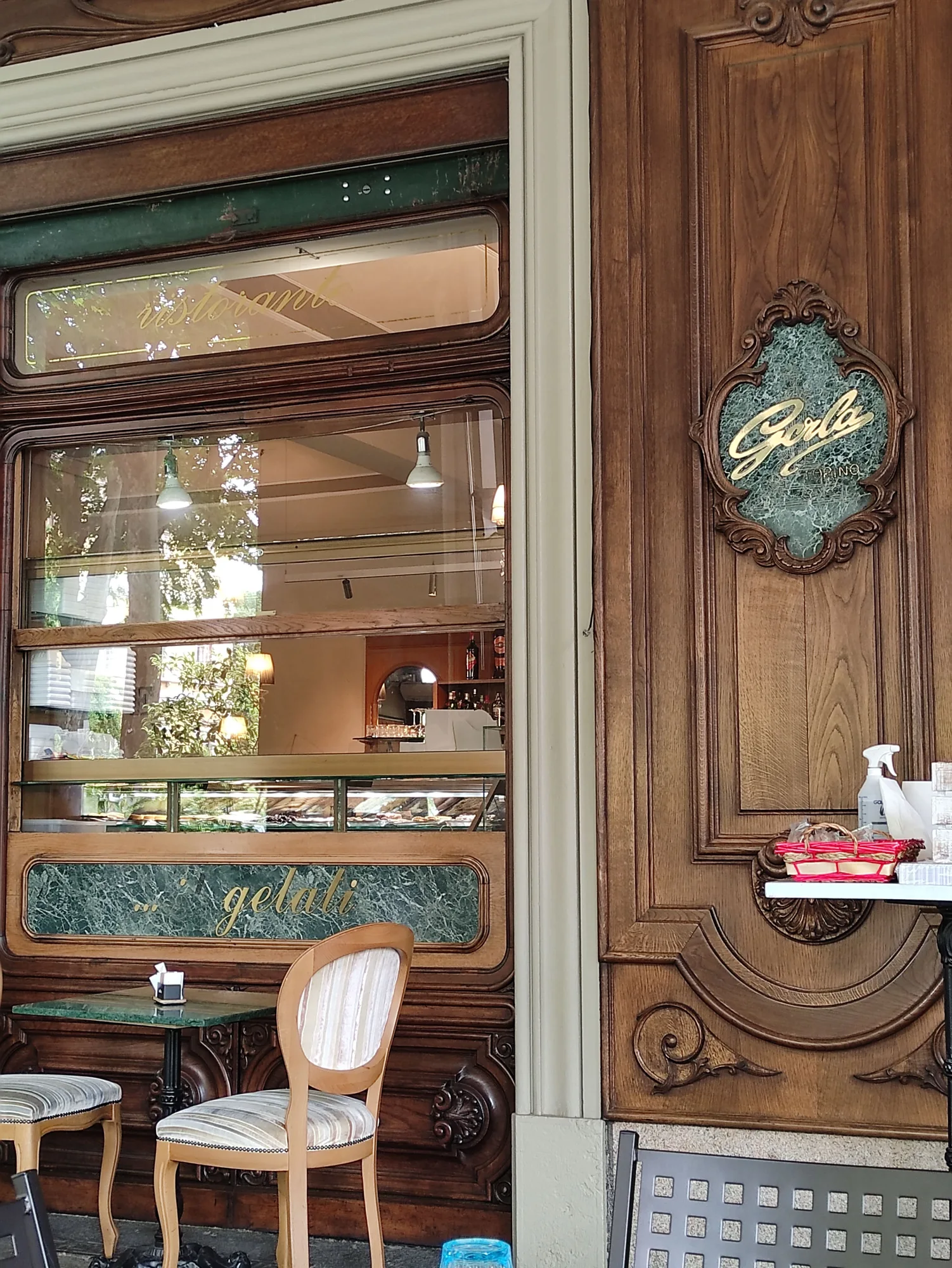
Arcaded squares, galleries and passages fostered a distinctive kind of urban social life. People came to cafés not only to drink, but to read newspapers, exchange news, discuss politics and watch the city go by.
During the nineteenth century, cafés became part of the political and cultural life of the Kingdom of Sardinia and then unified Italy. They continued to be meeting places for writers, publishers and city residents in the twentieth century.
Fiorio: politics over coffee
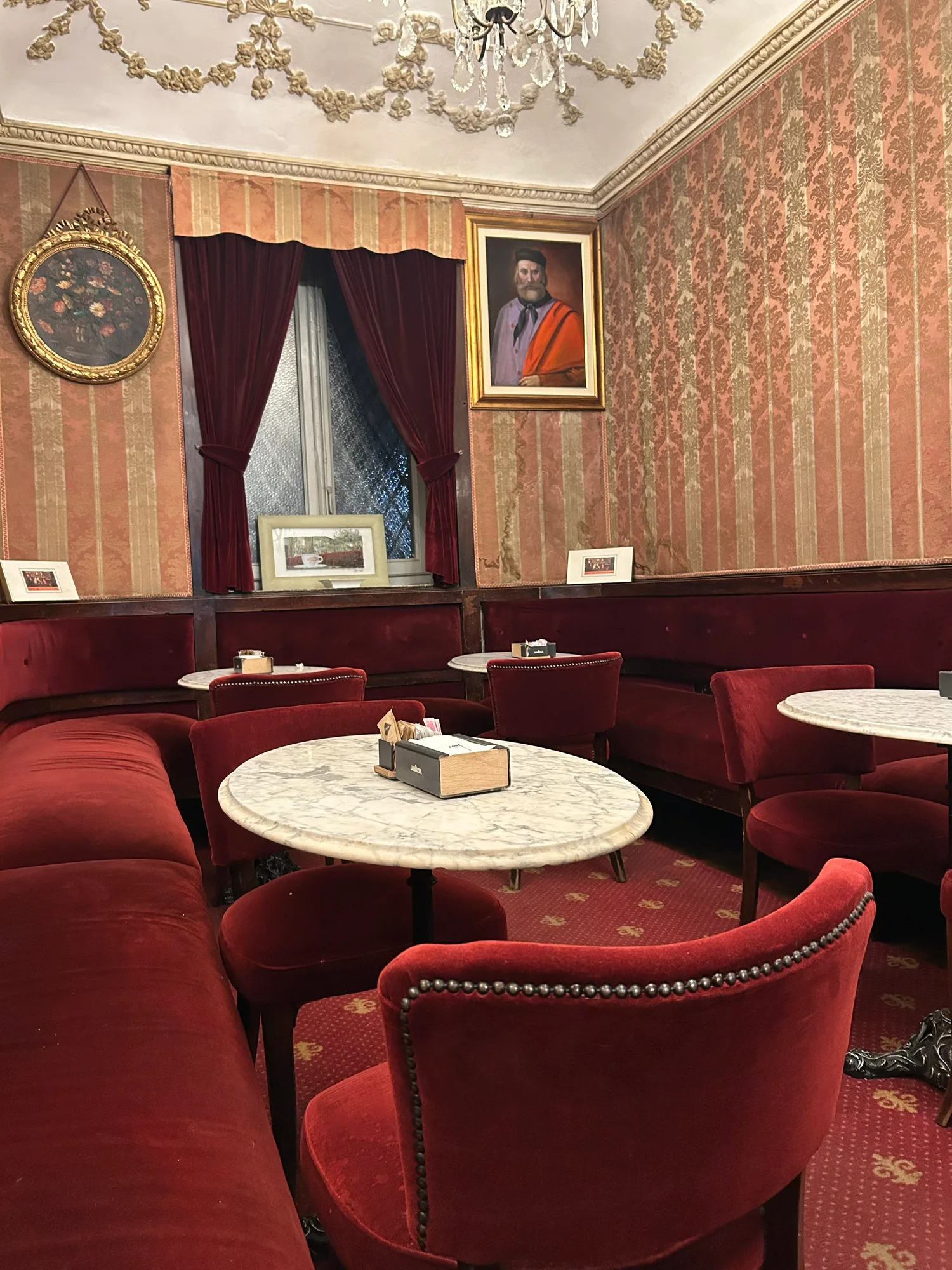
Established around 1780, Caffè Fiorio became a favourite gathering place for aristocrats, officers, diplomats and politicians during the Restoration. It earned the nickname café of the “codini”, a reference to the conservative politics of many patrons.
Camillo Benso di Cavour, Massimo d’Azeglio and other figures of the Risorgimento are associated with the café. A question traditionally attributed to Carlo Alberto sums up its reputation: “What are they saying at Caffè Fiorio?” It is best understood as a widely repeated historical anecdote, not a verbatim verified quotation.
Fiorio shows that political life did not take place solely inside government buildings. News, conversation and alliances also flourished at café tables.
The city’s great drawing room
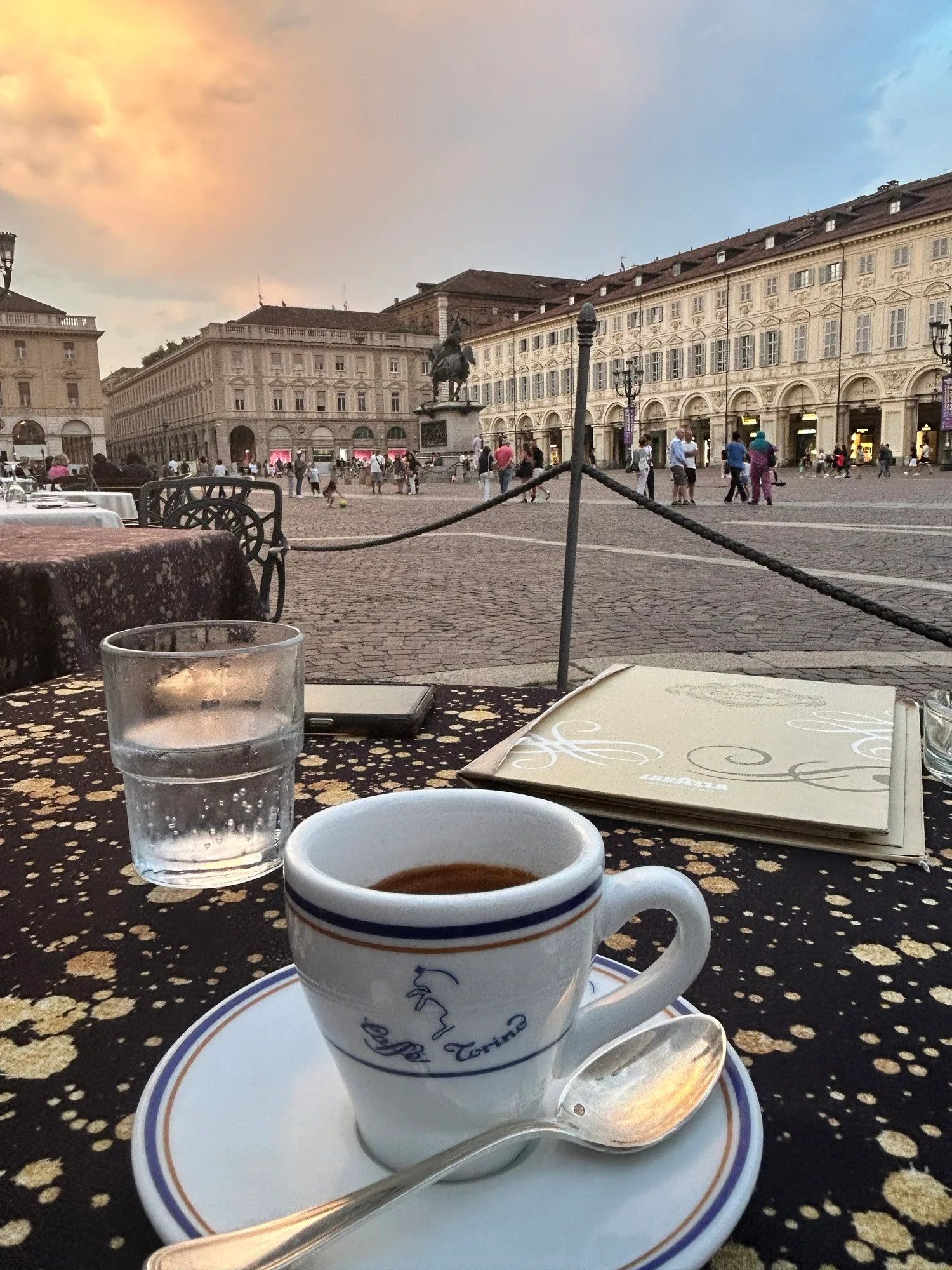
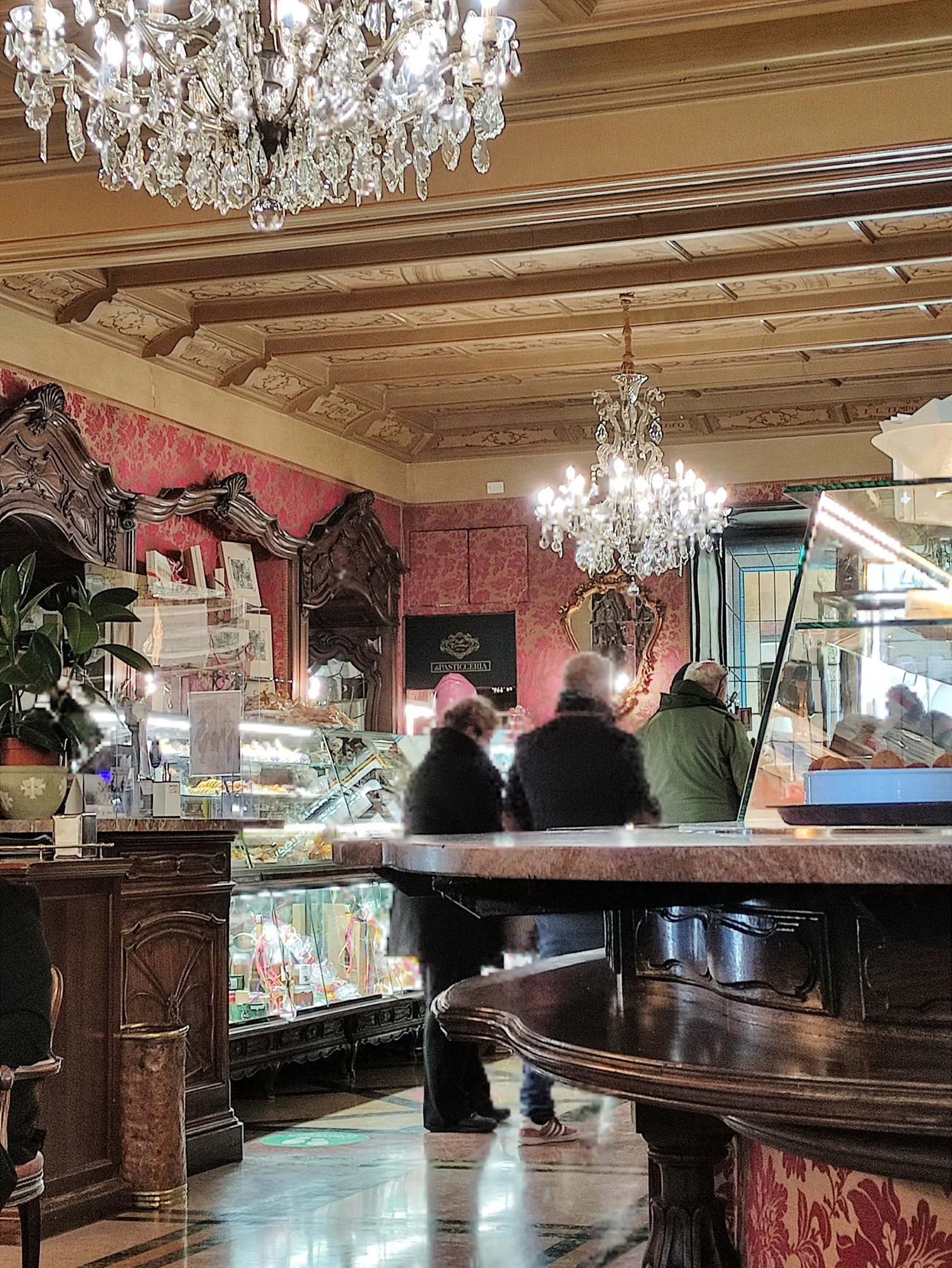
On Piazza San Carlo, the café is almost an indoor extension of the square. Architecture, strolling, pastry and encounters flow beneath the arcades and into richly decorated rooms.
Caffè Torino and Caffè San Carlo illustrate this relationship between public space and social gathering. Seeing Turin well means looking through café doors as well as admiring the buildings outside.
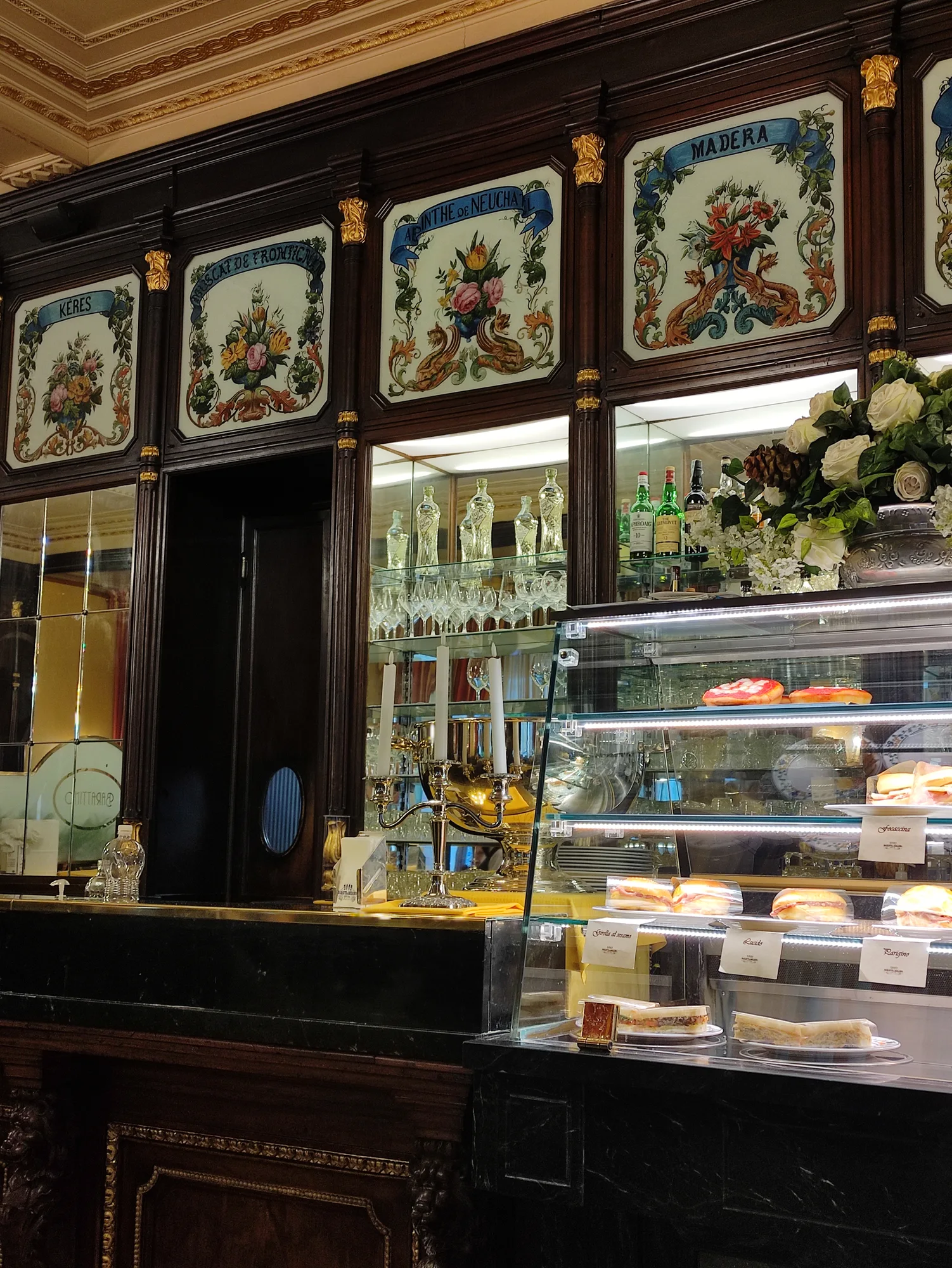
Baratti & Milano: confectionery and elegance
Ferdinando Baratti and Edoardo Milano came from the Canavese area and established their Turin confectionery and pastry business in 1858. The name became closely associated with the city’s chocolate traditions.
Its later presence near Piazza Castello connects fine interiors with skilled pastry-making, chocolate and the bustle of everyday city life. Cremino chocolates are part of that culinary world.
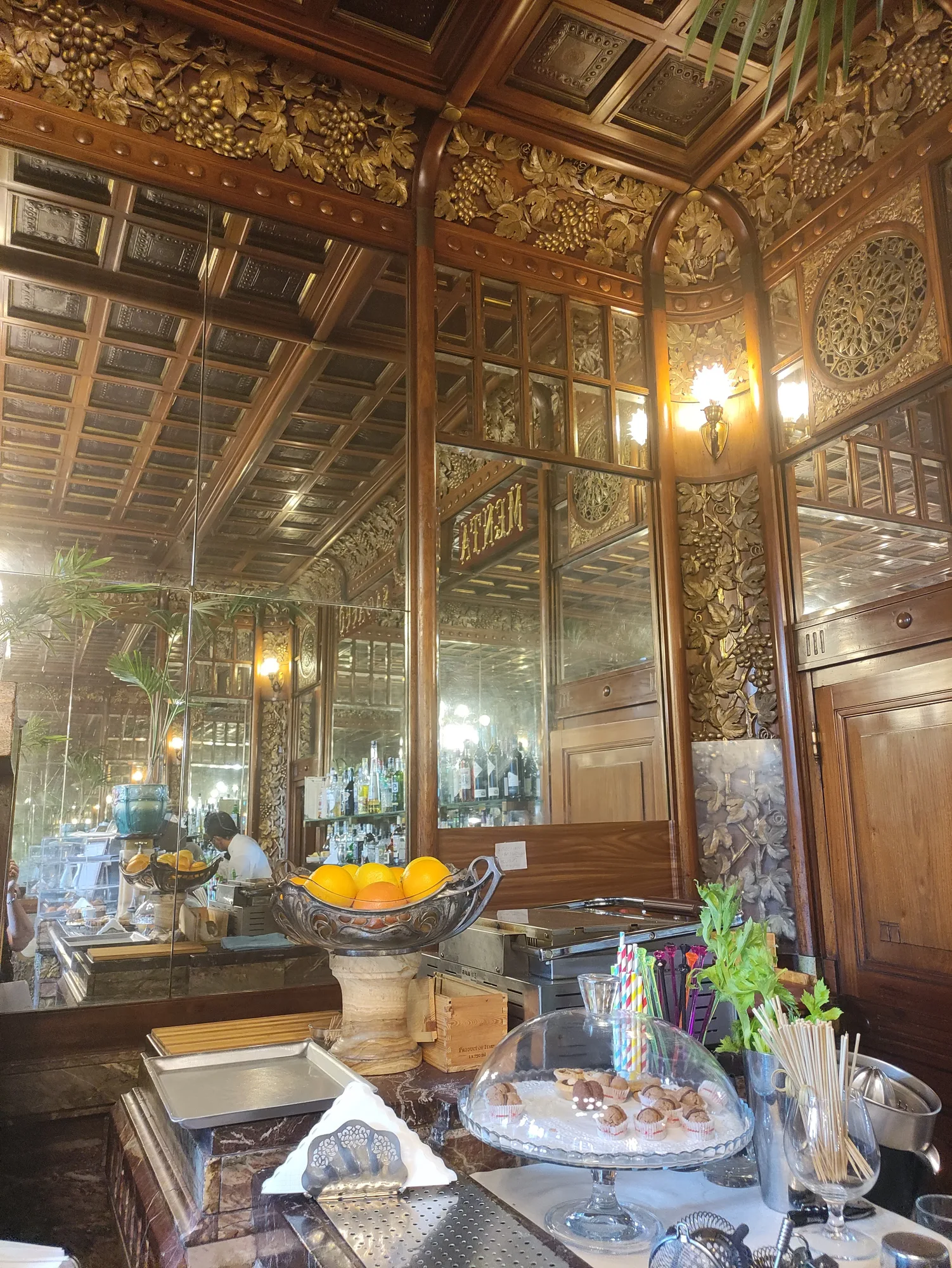
Mulassano: thirty-one square metres of Turin
Since 1907, Caffè Mulassano has occupied a tiny room of roughly thirty-one square metres on Piazza Castello. Woodwork, mirrors, brass and ornament make this small space feel like an elaborate drawing room.
According to the café’s history, Angela Demichelis Nebiolo developed the tramezzino there in 1926. The triangular sandwich became a familiar companion to aperitivo and a popular quick meal. Mulassano shows how a small space can leave a large cultural mark.
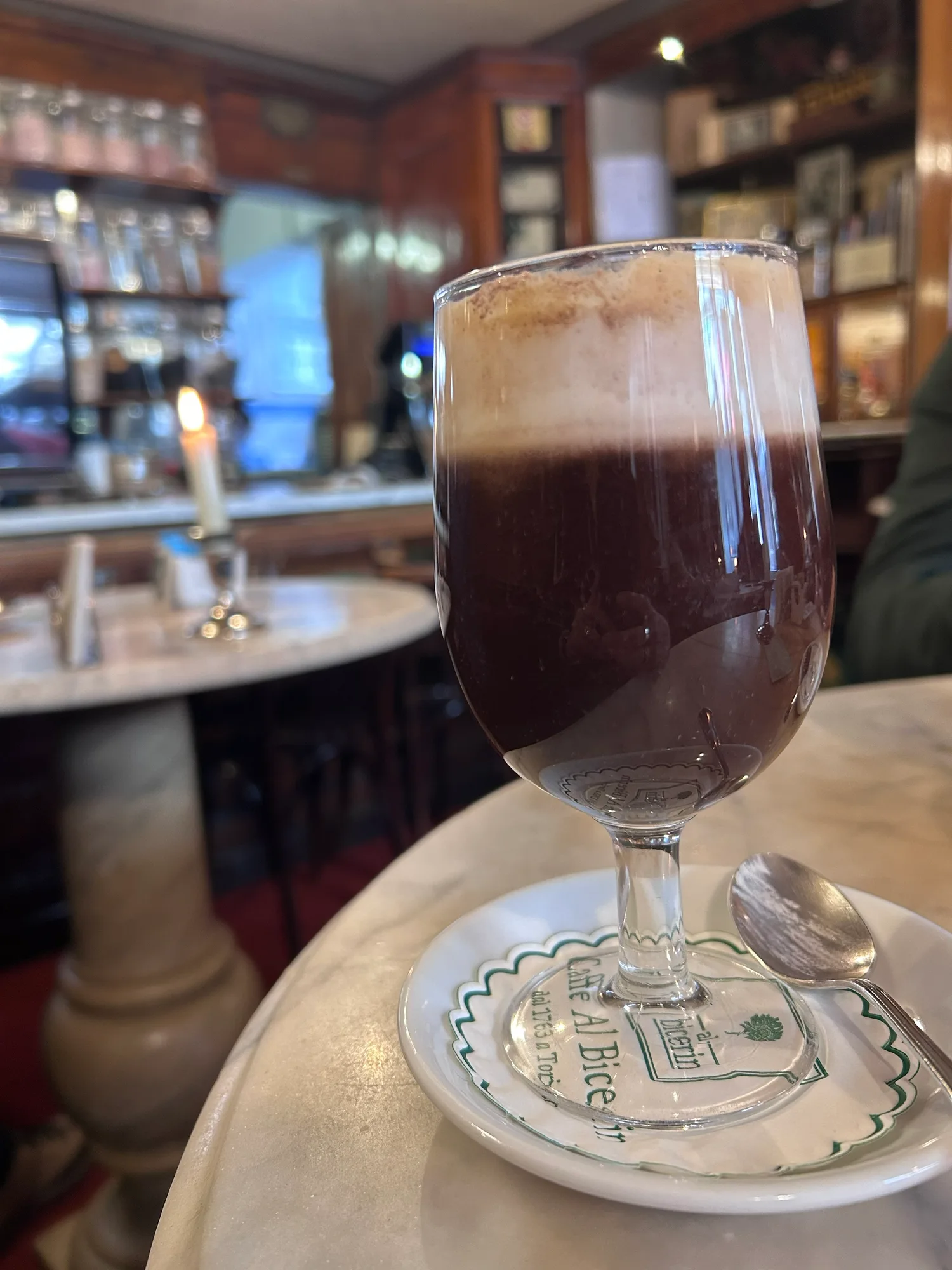
Al Bicerin: a café and its ritual
Founded in 1763, Al Bicerin is closely associated with Turin’s famous drink made from coffee, chocolate and milk cream served in a glass. Tradition calls for drinking it without stirring the layers together.
Here café history is also a story of sweetness, ritual, pause and local identity, quite apart from political conversation.
Cafés offer another way to understand Turin
These establishments are more than beautiful interiors. Their stories connect urban life, pastry-making, trade, politics and the city’s cultural memory.