THE SAVOY RESIDENCES
From Turin’s Royal Palace and Palazzo Madama to Venaria Reale, Stupinigi, Rivoli and Moncalieri: explore the Savoy royal residences, a UNESCO World Heritage site since 1997.
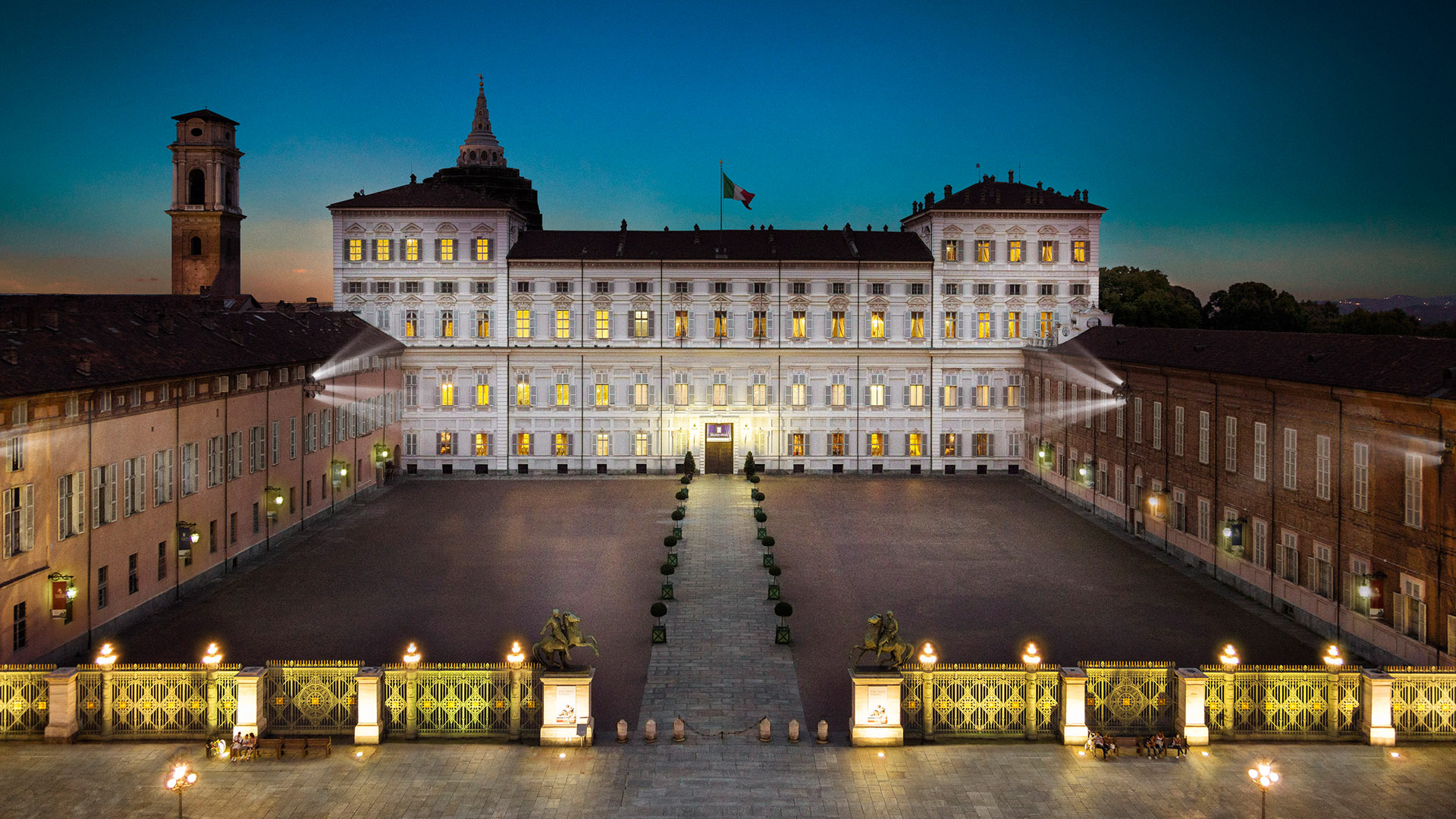
Turin and the Crown of Delights
In 1563 Emmanuel Philibert moved the ducal capital from Chambéry to Turin. Palaces, gardens, castles and hunting estates gradually formed a landscape of dynastic power, linking court life, territorial defence and royal representation.
The Royal Palace and its gardens
In central Turin, the Royal Palace stood at the heart of political and dynastic life. The Royal Gardens began taking shape in the sixteenth century along the old city bastions and cover roughly seven hectares. Walkways, fountains and formal perspectives reveal changing garden fashions, from potted orange and lemon trees to French-inspired layouts.
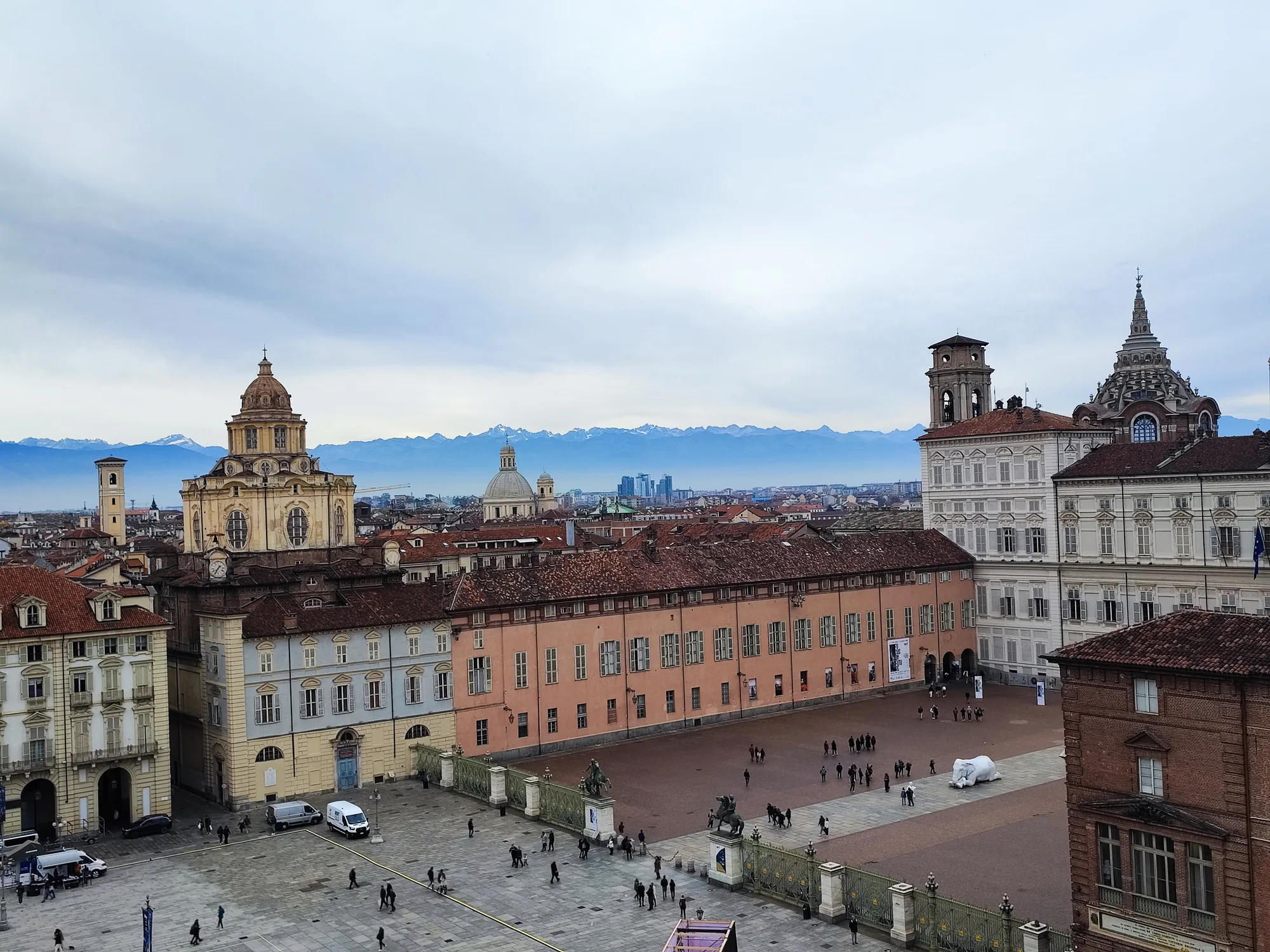
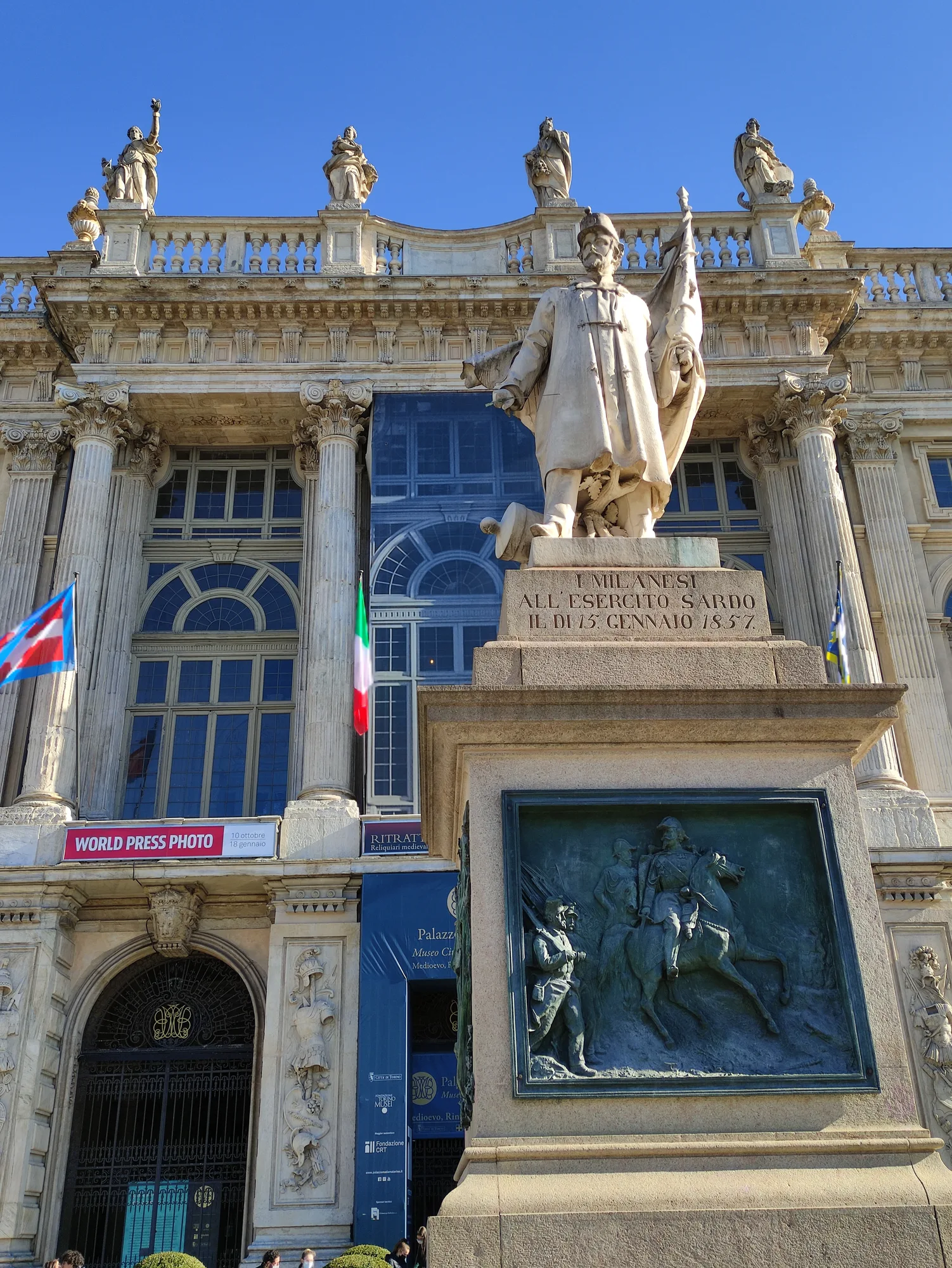
Palazzo Madama: two thousand years in one building
Facing Piazza Castello is Filippo Juvarra's imposing Baroque façade with Rococo flourishes; at the back, the towers and structure of a medieval castle remain visible. Within and below the building are traces of the eastern gate of Roman Turin, at the end of the decumanus maximus: an extraordinary sequence of urban history.
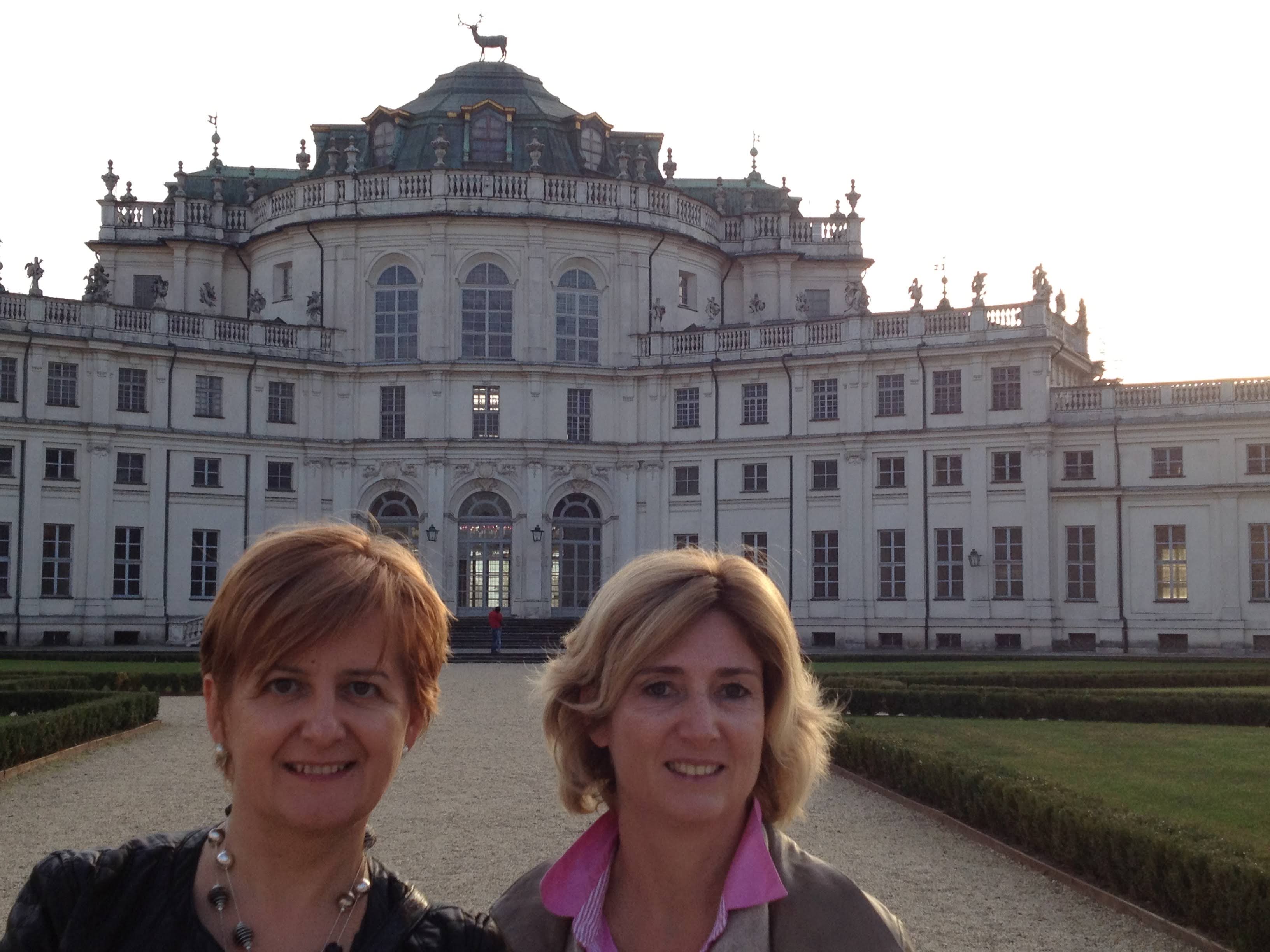
Stupinigi: hunting as courtly theatre
Designed by Filippo Juvarra from 1729 for Victor Amadeus II, the Palazzina di Caccia di Stupinigi was a pleasure and hunting residence. Its central hall and outstretched wings turned an aristocratic pastime into an exceptionally theatrical architectural setting.
Venaria Reale and La Mandria park
Commissioned by Charles Emmanuel II in the seventeenth century, Venaria Reale was closely associated with royal hunting. Beyond its monumental gardens lies La Mandria, later a hunting estate of Victor Emmanuel II. Its historic core, rather than Venaria's formal gardens, is enclosed by a wall about thirty kilometres long.
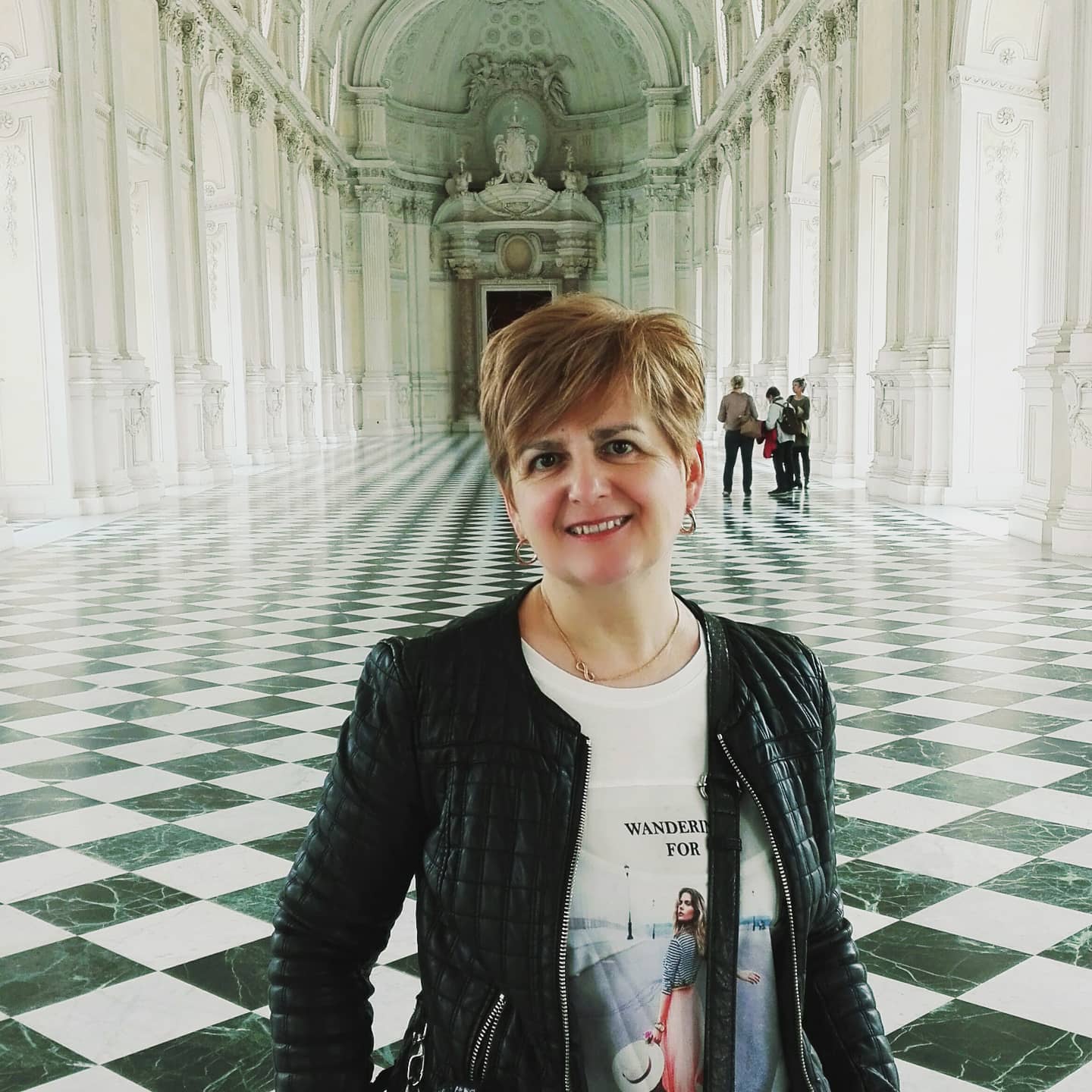
Rivoli Castle: from stronghold to contemporary art
Overlooking the entrance to the Susa Valley, Rivoli held a strategic position on historic routes between Piedmont and France. The castle evolved from a stronghold into a Savoy residence: Emmanuel Philibert stayed here, and his son Charles Emmanuel I was born here in 1562. Victor Amadeus II later commissioned an unfinished redesign by Juvarra. Today it houses the Museum of Contemporary Art.
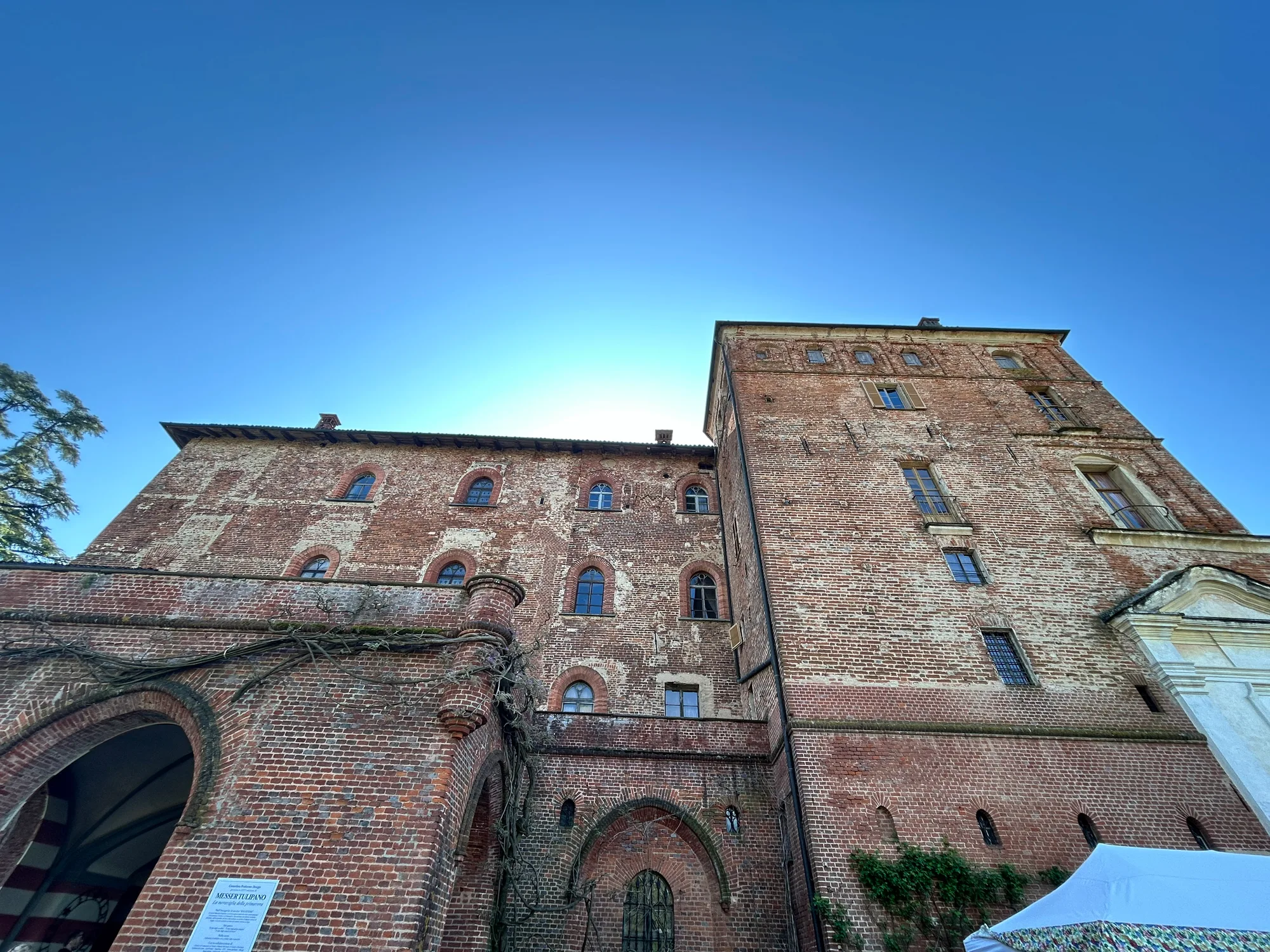
Moncalieri Castle and Piedmont's first railway
A former fortress transformed into a royal residence, Moncalieri Castle also played a role in nineteenth-century politics: Victor Emmanuel II signed the Proclamation of Moncalieri here in 1849. The Turin–Moncalieri railway, inaugurated in 1848, was Piedmont's first railway line.
A living World Heritage site
The Residences of the Royal House of Savoy joined the UNESCO World Heritage List in 1997. Together they open a journey from Roman Turin to Baroque court life, hunting landscapes, nineteenth-century history and contemporary art.
Turin does not end in the centre
Savoy history makes more sense once you move beyond Piazza Castello and the Royal Palace. Venaria, Stupinigi, Rivoli and the other residences reveal a real territorial system built around the capital.
If you choose only one
Venaria is the most immediate choice for a first visit: scale, gardens, landscape and strong theatrical impact. Rivoli shifts the mood completely with contemporary art, while Stupinigi feels more closely tied to hunting and court life.