Turin aperitivo
Turin’s aperitivo history begins in the world of herbalists, wine makers and historic cafés, and includes the geographically protected Vermouth di Torino. From Carpano and its museum to Mulassano and Martini & Rossi, the story connects craft, industry and social rituals.
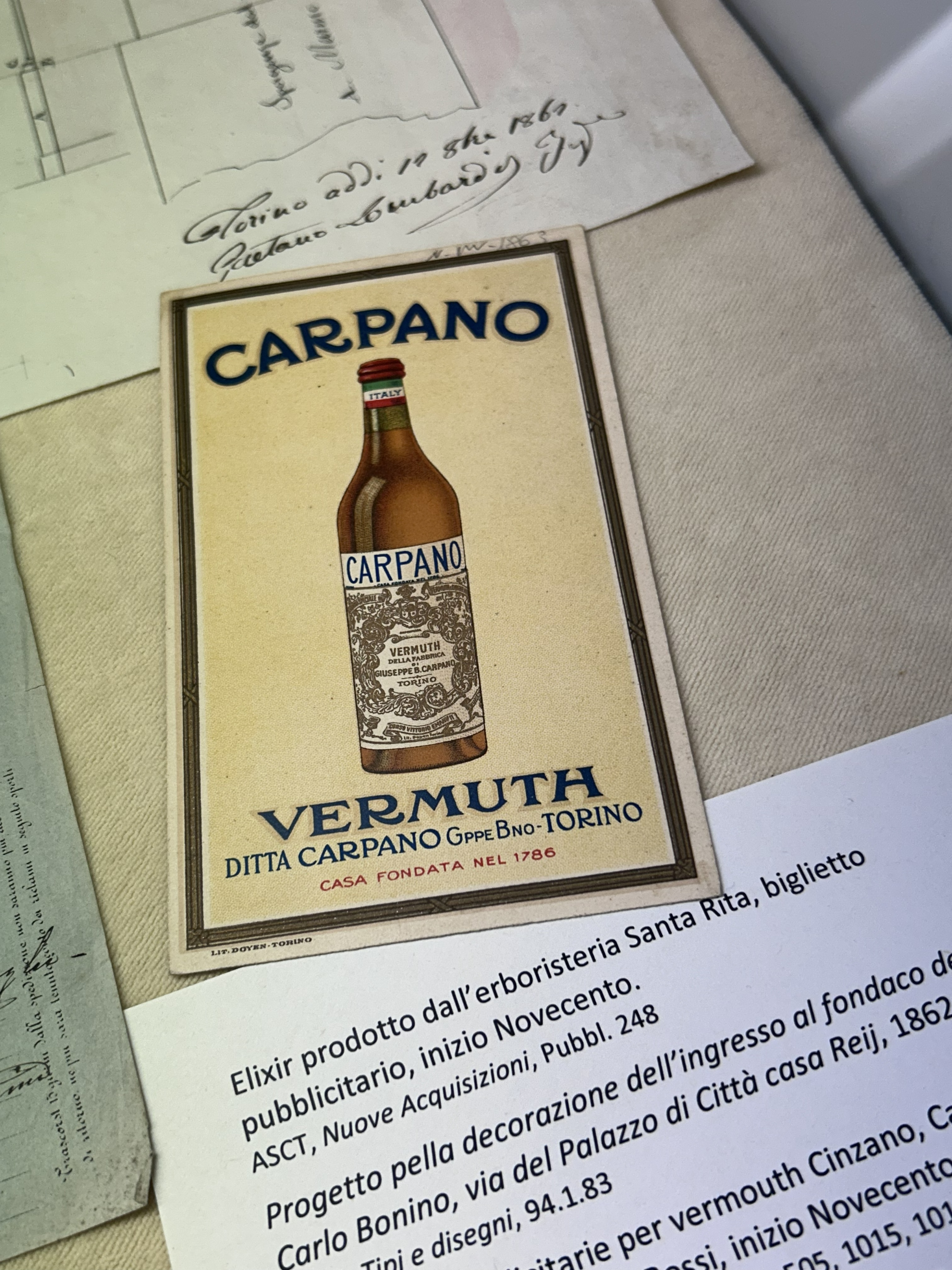
Antonio Benedetto Carpano: a man, a formula, a city
Born on 24 November 1751 in Bioglio, in the Vercelli area, Antonio Benedetto Carpano became interested in natural sciences, agriculture and medicinal plants. Around 1786 he began producing an aromatised wine in Turin, using Moscato and botanical infusions, sold at the Merendazzo liqueur shop beneath the porticoes of Piazza Castello, opposite the royal residence. Aromatised wines predated him: his achievement was to turn existing knowledge into a recognisably Turin speciality.
After his death, his nephew Giuseppe Bernardino Carpano developed the business. A small shop grew into a name associated with the city’s industrial and advertising history.
The Carpano Museum: industry told through objects
On the first floor of Eataly Torino Lingotto, in the former Carpano factory on Via Nizza, a museum traces the history of vermouth. Rooms once used for records, botanicals, mixing and preserving extracts now display artefacts, equipment and evidence of drinking culture. The collection helps explain how an eighteenth-century shop evolved into organised production.
Check official access information and opening times before planning a visit.
Visit the Carpano Museum at Eataly Lingotto ↗
Vermouth di Torino PGI: what the protected name actually means
Not every vermouth made or served in Turin qualifies as « Vermouth di Torino PGI ». This protected geographical indication identifies an aromatised wine made according to a production specification covering ingredients, the production area and product characteristics. A ministerial decree dated 22 March 2017 defined the specification for « Vermut di Torino » or « Vermouth di Torino ».
The Consorzio del Vermouth di Torino was founded on 3 April 2019 and officially recognised as the PGI protection body by a decree dated 30 September 2025, published on 9 October. The name is a regulated geographical indication, not simply an evocative reference to Turin.
Consorzio and Vermouth di Torino PGI specification ↗Mulassano: how the tramezzino joined aperitivo
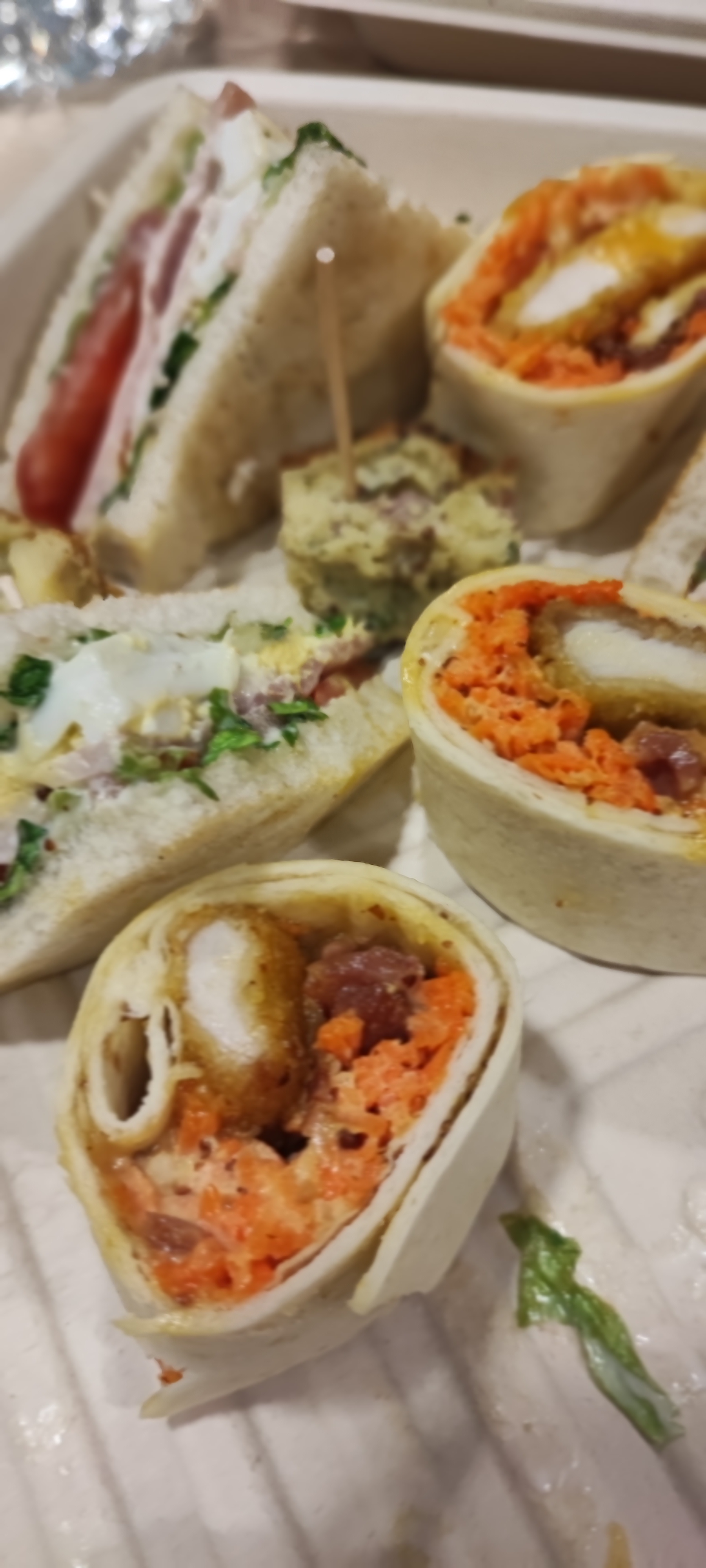
Caffè Mulassano moved to Piazza Castello in 1907. Among wood panelling, brass and mirrors, Turin’s aperitivo ritual acquired a snack that would become an everyday staple: a plaque commemorates the tramezzino, traditionally credited here to Angela Demichelis Nebiolo in 1926. First a small bite alongside a drink, then a quick snack or lunch, it became part of the city’s food culture. The name « tramezzino » is traditionally attributed to Gabriele D’Annunzio.
Turin cafés bring together a pre-dinner drink, small savoury bites and time for conversation. Vermouth can be enjoyed neat or mixed into cocktails, connecting craftsmanship, industry and urban social life.
Martini & Rossi: vermouth goes international
In 1863 Alessandro Martini, Teofilo Sola and Luigi Rossi established the business that would take Piedmontese vermouth to international markets. Pessione, on the Turin–Genoa railway line, became an important production centre. The story is not just about a recipe: distribution, visual identity, advertising and later sport all contributed to a distinctive image recognised far beyond the glass.
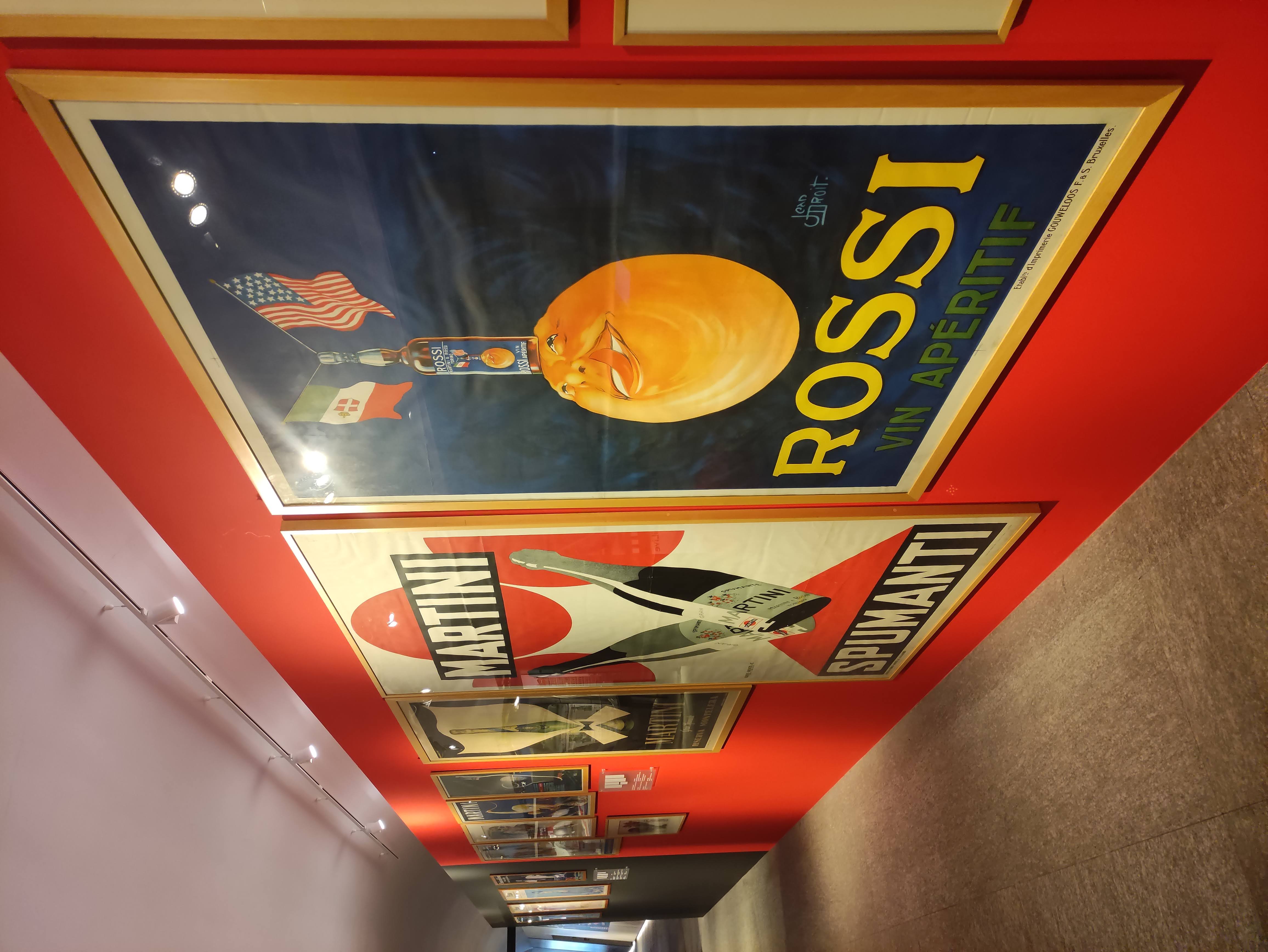
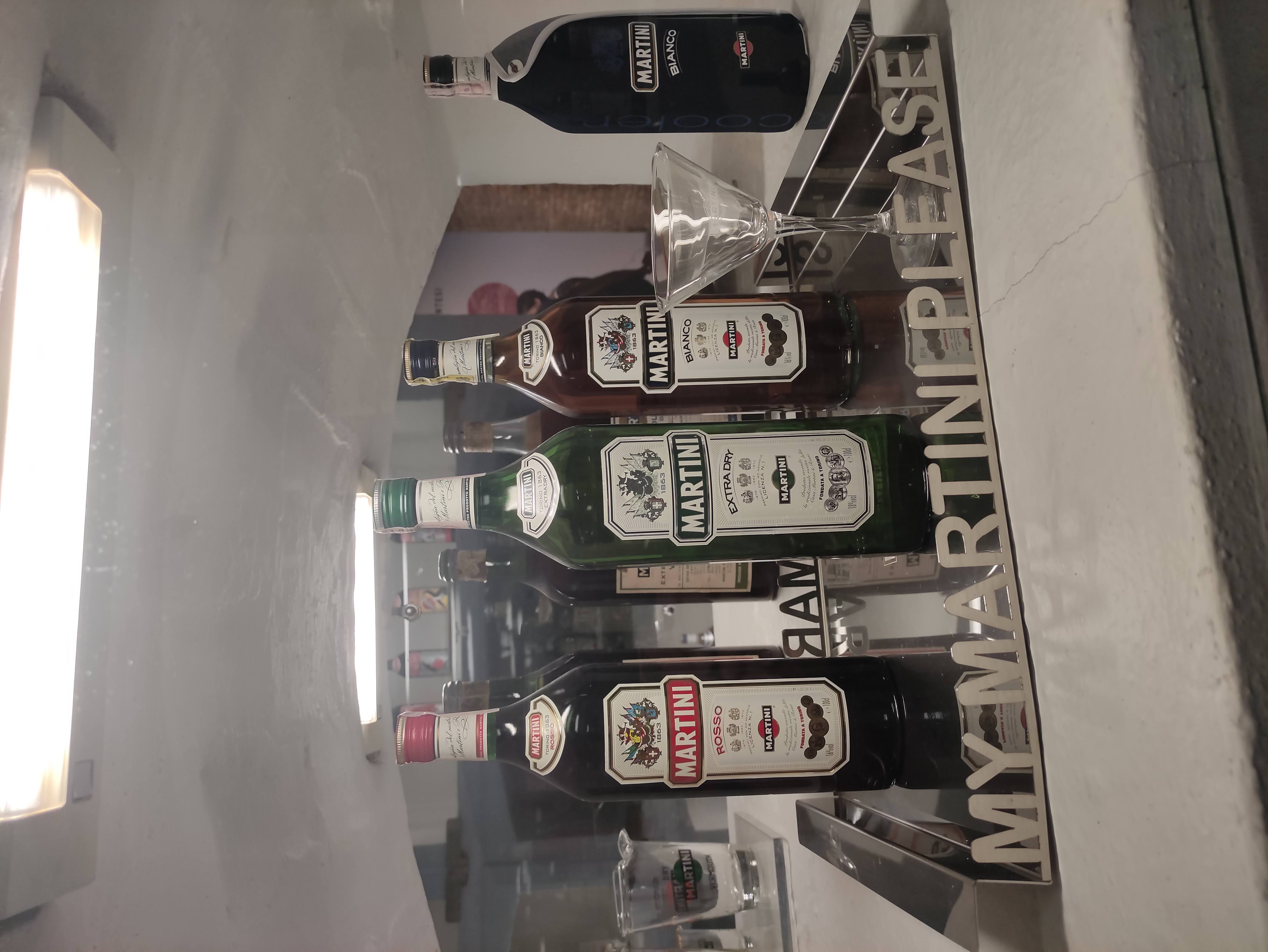
Vintage advertisements and objects in the Martini museum document the visual language built by a Turin company and recognised well beyond Piedmont.
Keep aperitivo simple
Vermouth is one of Turin’s strongest gastronomic symbols, but it does not need to become a lecture. A well-served glass, a few savoury bites and enough time to sit down are enough to understand the ritual.
Where it makes most sense
Historic cafés, wine bars and cocktail bars in the centre are the natural places to try it. If possible, choose somewhere that serves vermouth neat as well as in cocktails, or where staff can explain what you are drinking.