PIEDMONTESE ANTIPASTI
A Piedmontese meal can begin with an entire sequence of small dishes: vitello tonnato, Russian salad, anchovies in green sauce, vegetables and regional condiments. They reflect seasonal ingredients, preserving and the resourcefulness of family cooking.
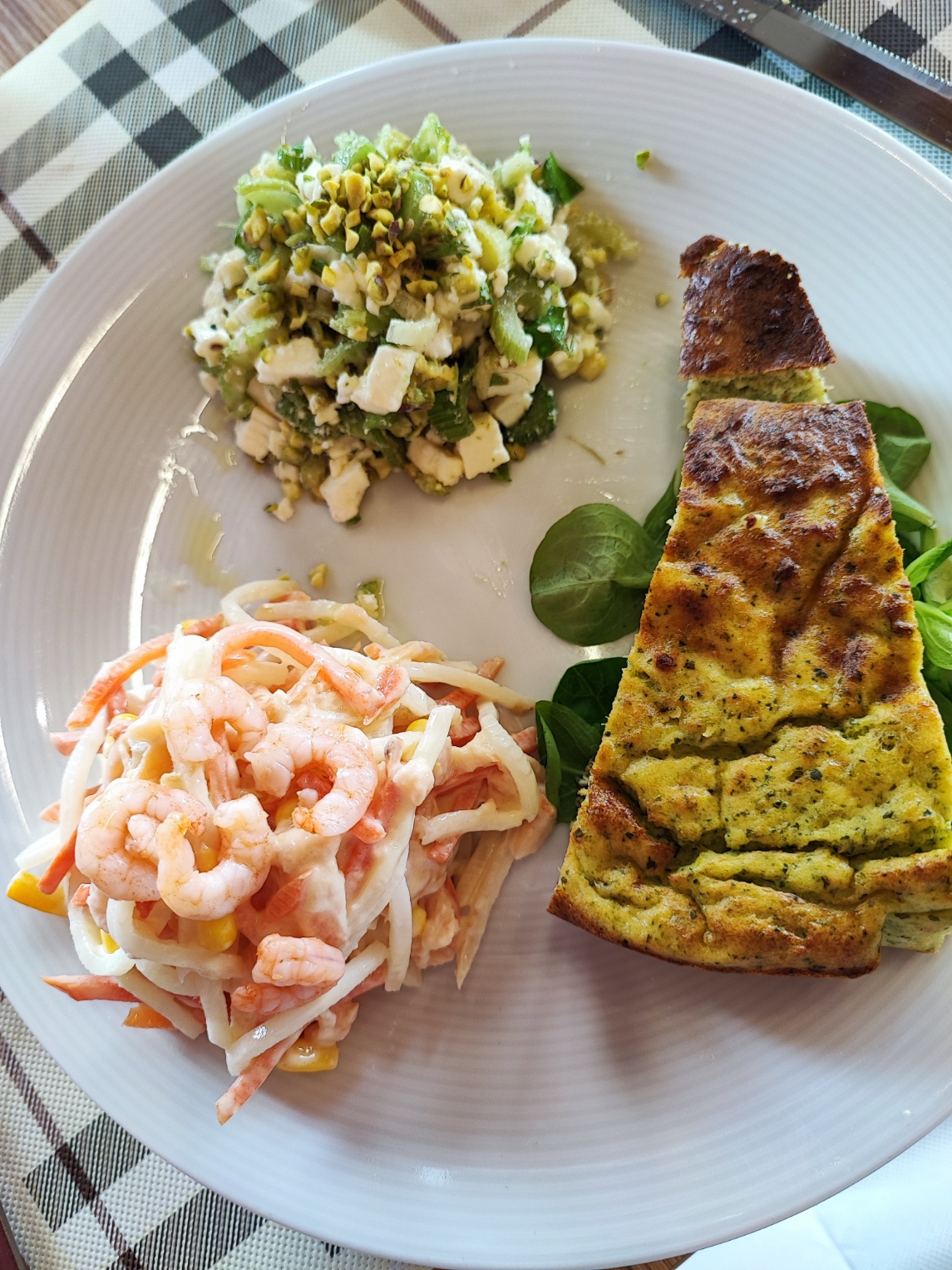
In Piedmont, antipasti are more than a starter before the first course. At home, in trattorie and at celebrations, small hot and cold dishes arrive in succession: vegetables, sauces, meats and cheeses. Each one reflects a season and a way of cooking.
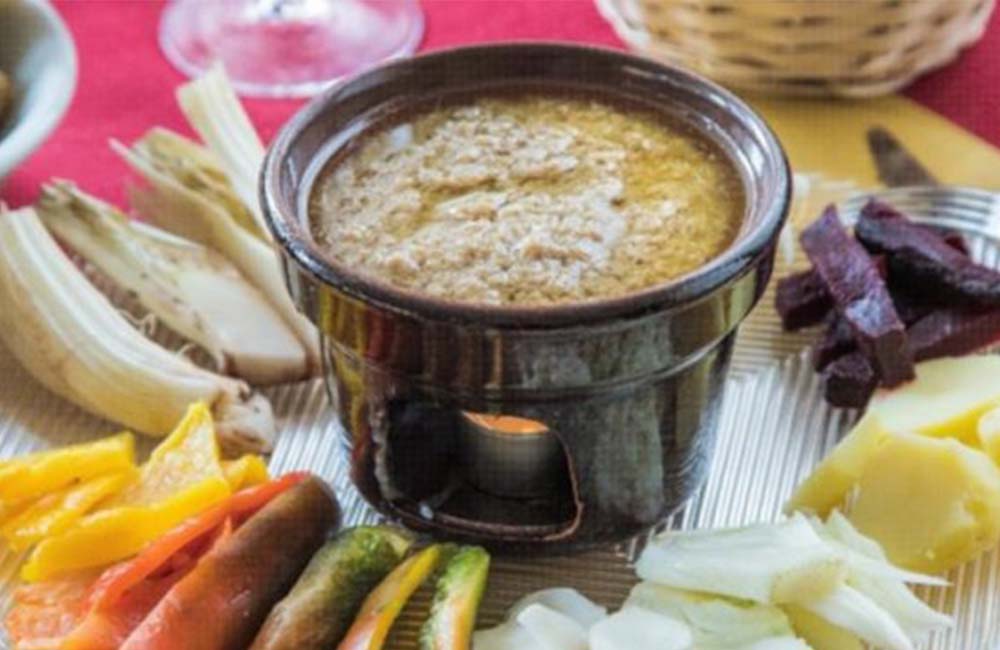
Bagna càuda, a shared table around the fujot
Bagna càuda combines garlic, salted anchovies and olive oil, gently warmed to make a rich, fragrant sauce. The earthenware fujot keeps it warm while diners dip their vegetables together.
Raw vegetables include Nizza Monferrato cardoons, Jerusalem artichokes, peppers, cabbage, chicory and leeks; cooked choices include potatoes, baked onions, beetroot and cauliflower. Bagna càuda is often the centrepiece of an entire winter meal, not merely an appetiser.
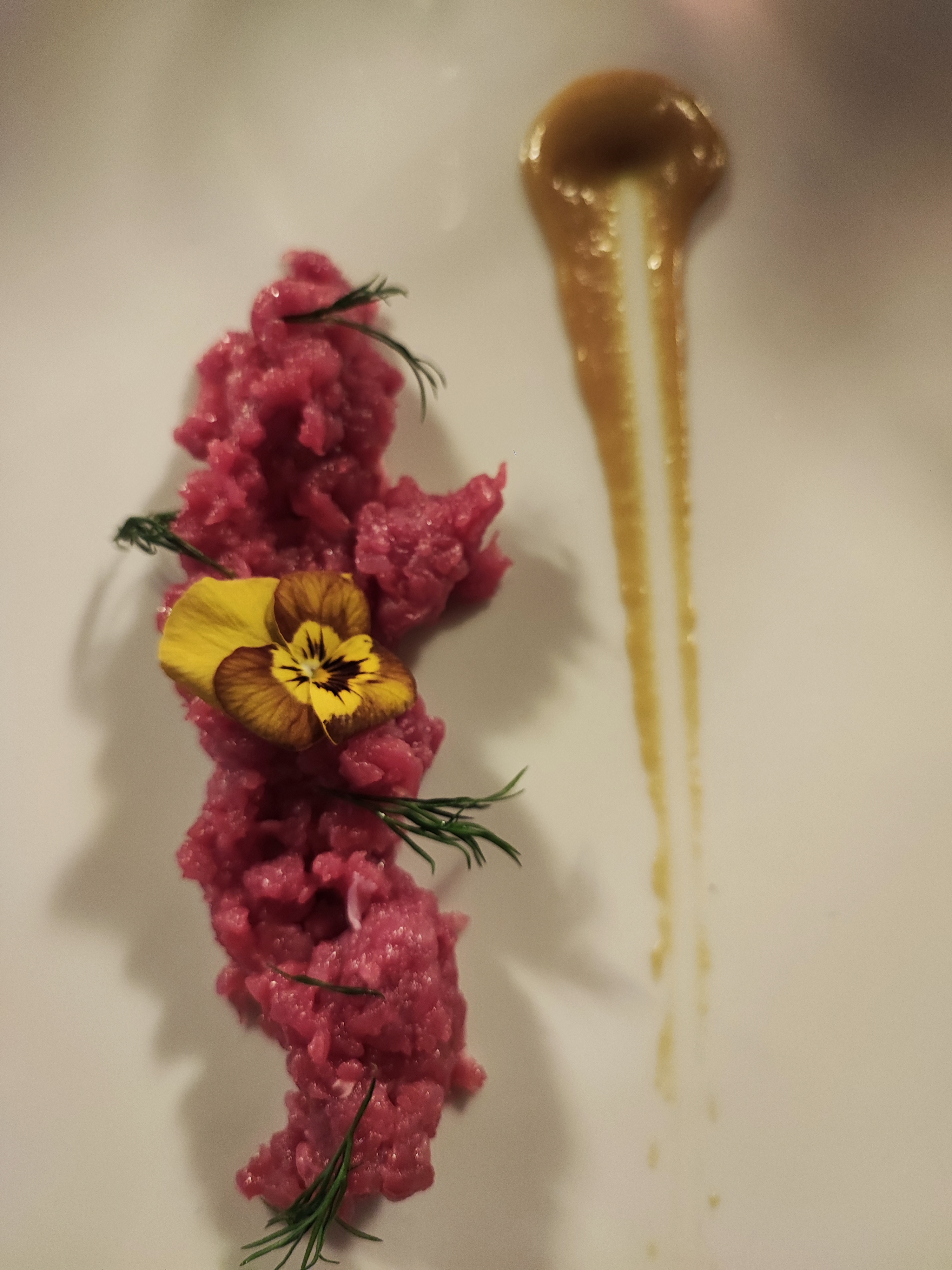
Hand-chopped raw beef
Hand-chopped raw beef relies on good meat and the skill of the person cutting it. Knife chopping leaves a recognisable texture rather than the uniform consistency of machine-minced meat.
Seasoning is usually restrained: extra-virgin olive oil, salt and a little lemon. White truffle may be added in the Langhe during its season. Careful sourcing and food hygiene are essential for a raw dish.
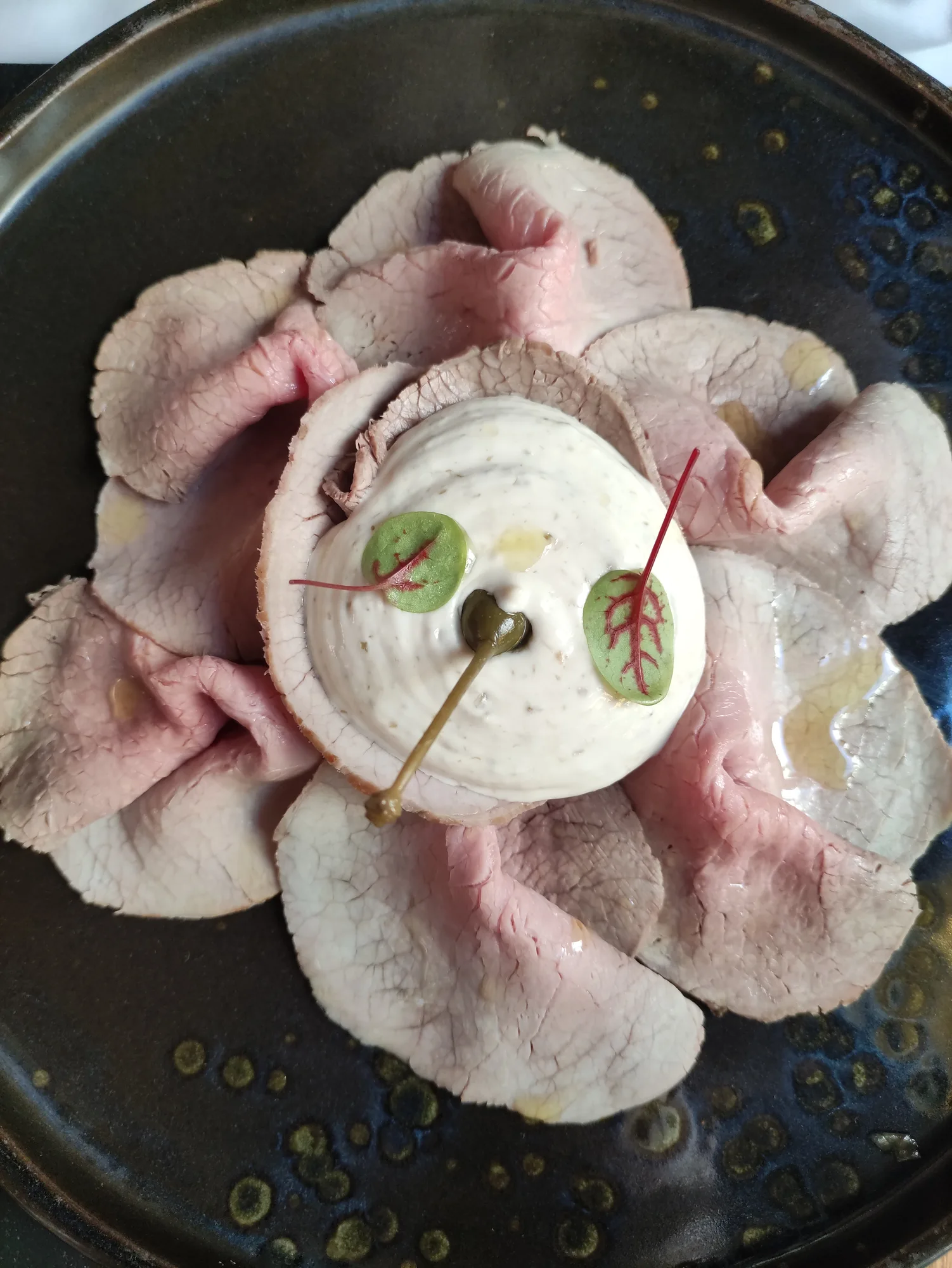
Vitello tonnato, veal and tuna sauce
Thin slices of cooked, chilled veal are served with a savoury tuna sauce, often enriched with capers and anchovies. The contrast between delicate meat and the more intense sauce defines the dish.
Historic and family recipes vary, including whether mayonnaise is used. Served cold, vitello tonnato is among Piedmont’s most recognisable specialities.
Russian salad for celebrations
Russian salad is a familiar part of family celebrations and deli counters in Piedmont. Potatoes, carrots and peas are cooked separately, diced and combined with mayonnaise.
Proportions and additions vary from family to family. Despite its name, the dish has a complex international history and cannot safely be assigned one single, undisputed origin.
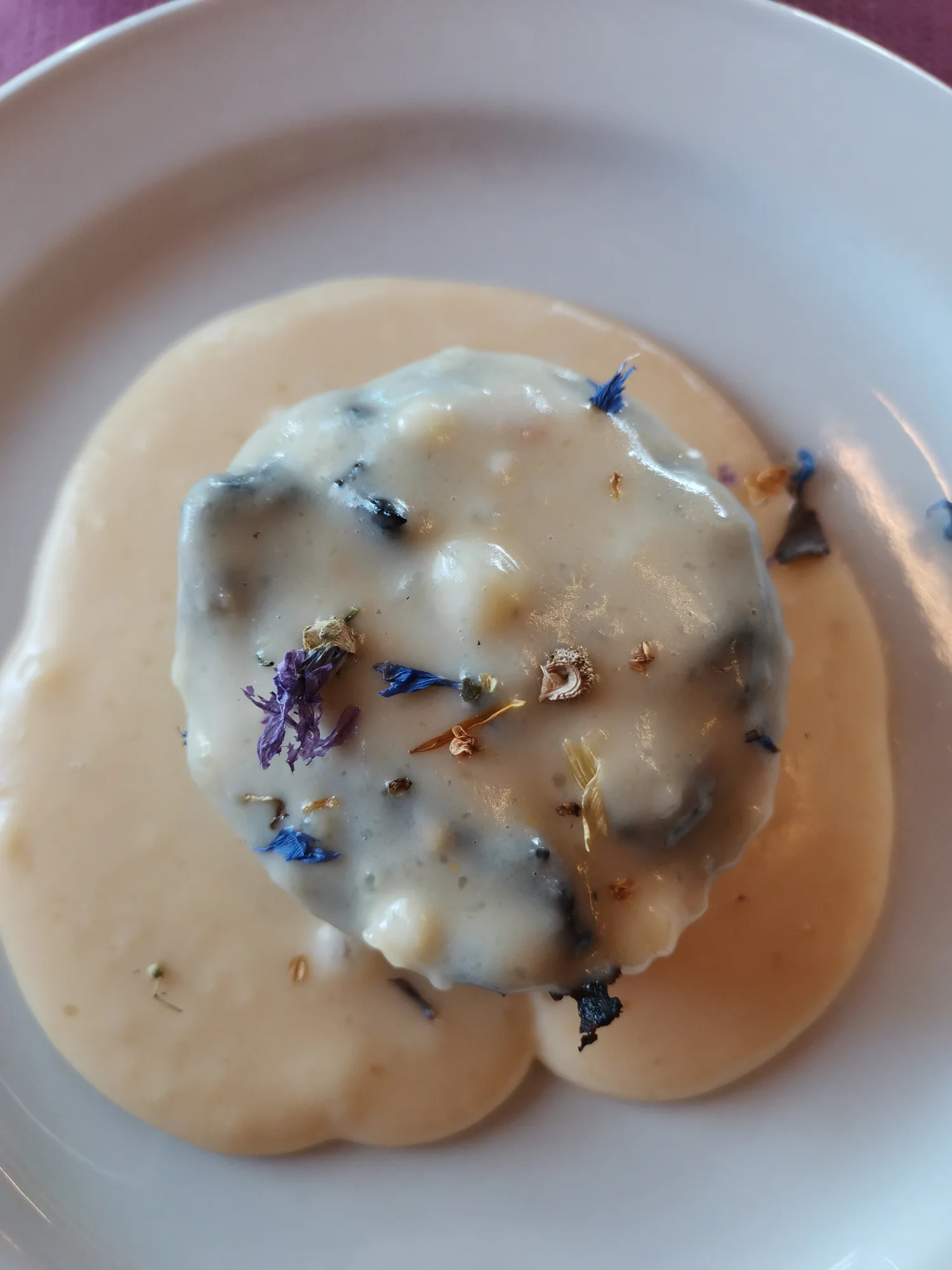
Vegetable flan with fondue
A Piedmontese vegetable flan is a soft savoury mould made with ingredients such as spinach, leeks, cardoons or other seasonal vegetables. Gentle cooking gives it a light, delicate texture.
Warm cheese fondue adds richness without overpowering the vegetables. Different recipes reflect local products and home traditions.
Anchovies in green sauce, tomini and condiments
Anchovies in green sauce recall the trading routes that brought preserved Mediterranean fish into Piedmont. After desalting, they are served with bagnet verd, a parsley-and-garlic sauce with many household variations.
Fresh tomini cheeses may also be served with green or red sauce. These dishes show how simple ingredients can become distinctive through their condiments.
The richness of Piedmontese antipasti comes not from a fixed list, but from seasons, local ingredients and cooking skills passed down through generations.
How to read a Piedmontese antipasto
Do not think of it as one dish. In Piedmont, antipasto is often a sequence: vitello tonnato, Russian salad, peppers, tomini, anchovies in green sauce, capunet and cured meats. The pleasure lies in tasting a little of many things and comparing them.
If you are in a trattoria
Do not rush to the pasta. A good antipasto selection already tells you a great deal about the kitchen: preserves, vegetables, sauces, meat and cheese. It is often the easiest way to understand whether a place is genuinely rooted in local food culture.