Desserts and chocolate
Bunet and panna cotta are only the starting point: Piedmontese sweet culture ranges from the cocoa and amaretti of bonet to gianduia, from gianduiotti to small pastries, bicerin and Turin ice cream. Turin turned this heritage into a distinctive culture of taste built around historic cafés, confectioners, gelaterie and specialist shops.
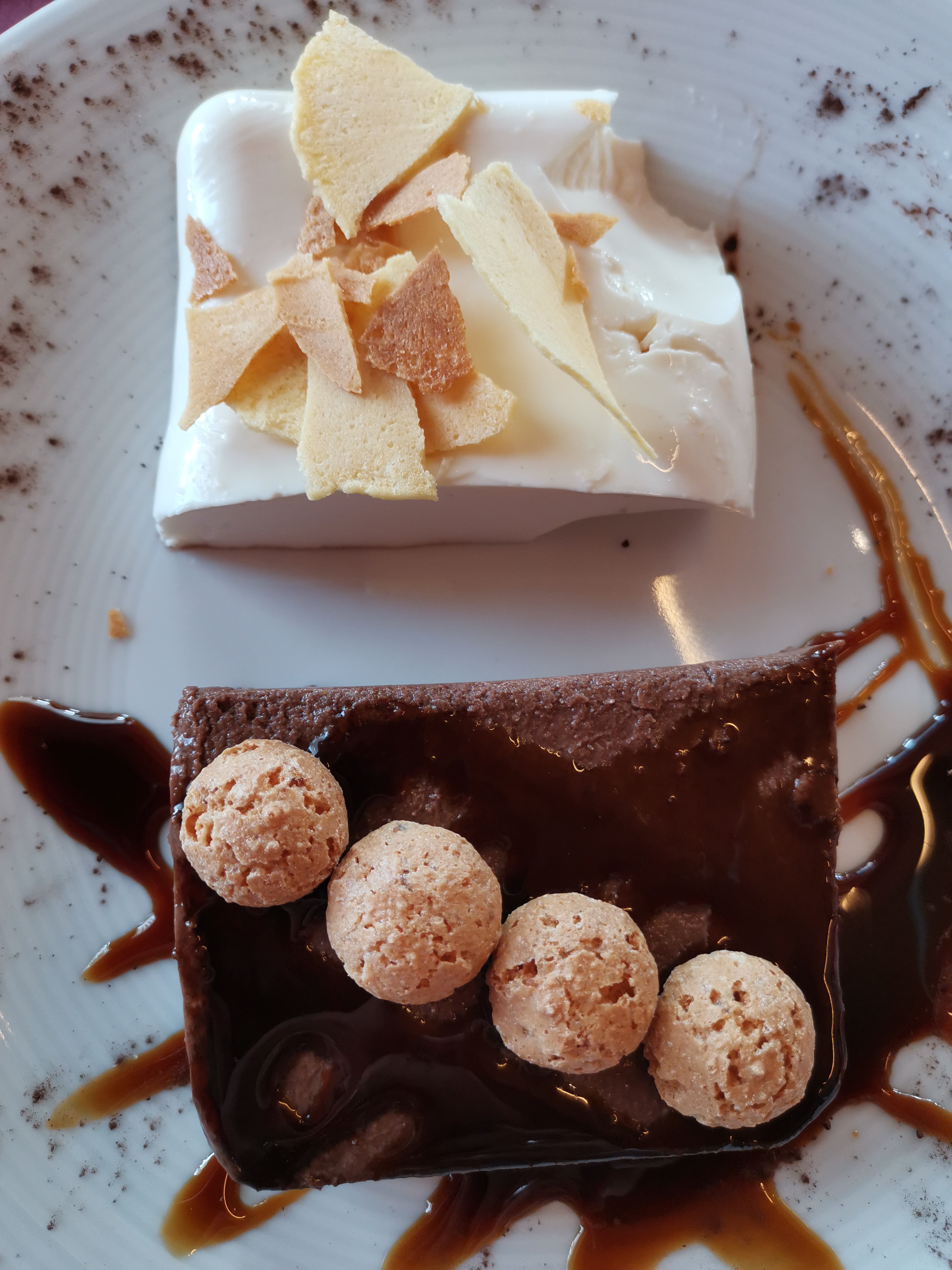
Turin and chocolate
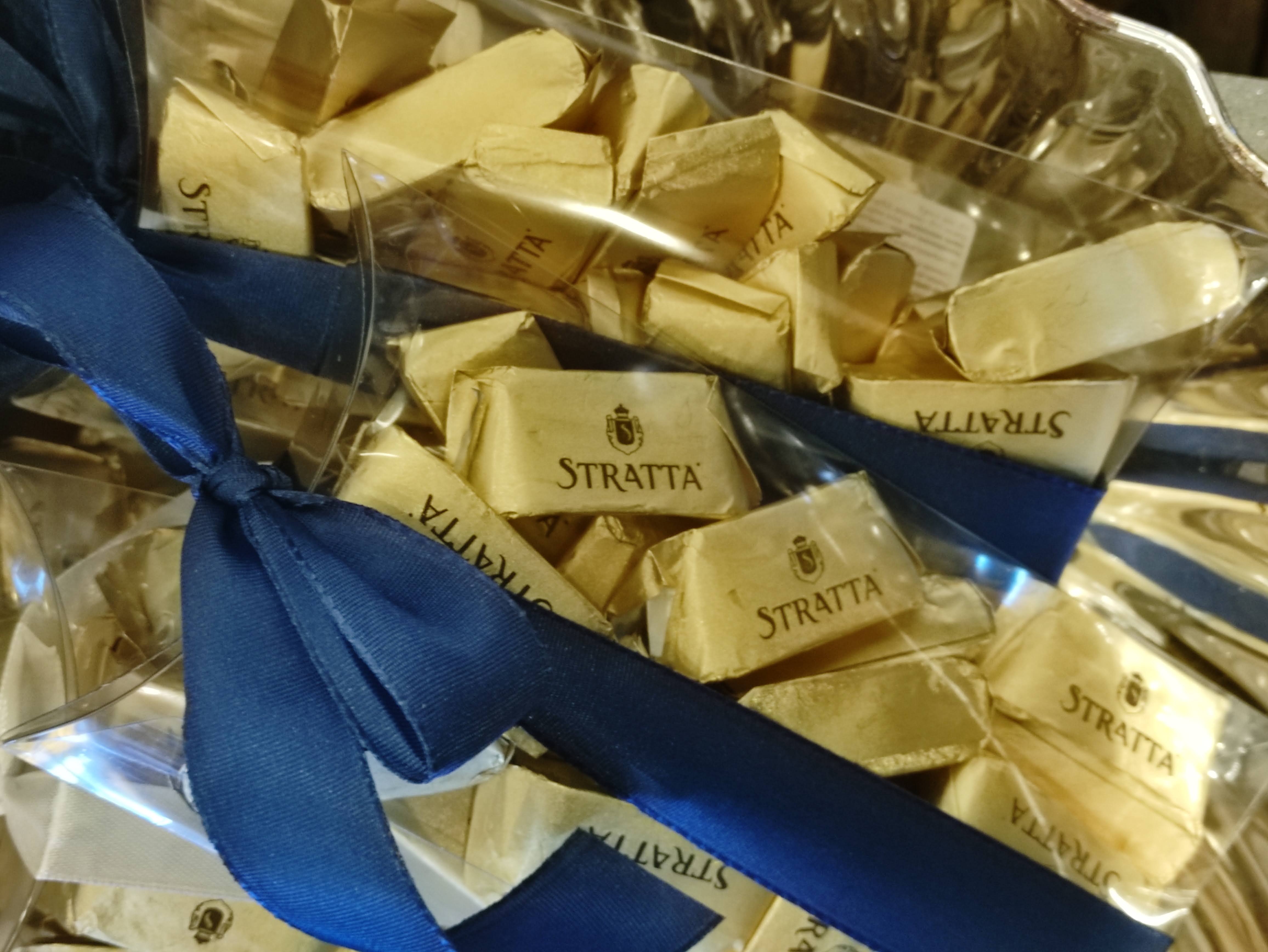
Turin built an important part of its gastronomic identity around chocolate. The gianduiotto is one of its clearest symbols: created in the nineteenth century by combining cocoa with Piedmontese hazelnuts, it was presented to the public during Turin Carnival in 1865 and took its name from the character Gianduja. Its distinctive shape and the soft texture of gianduia turned a response to cocoa scarcity into a true icon of the city.
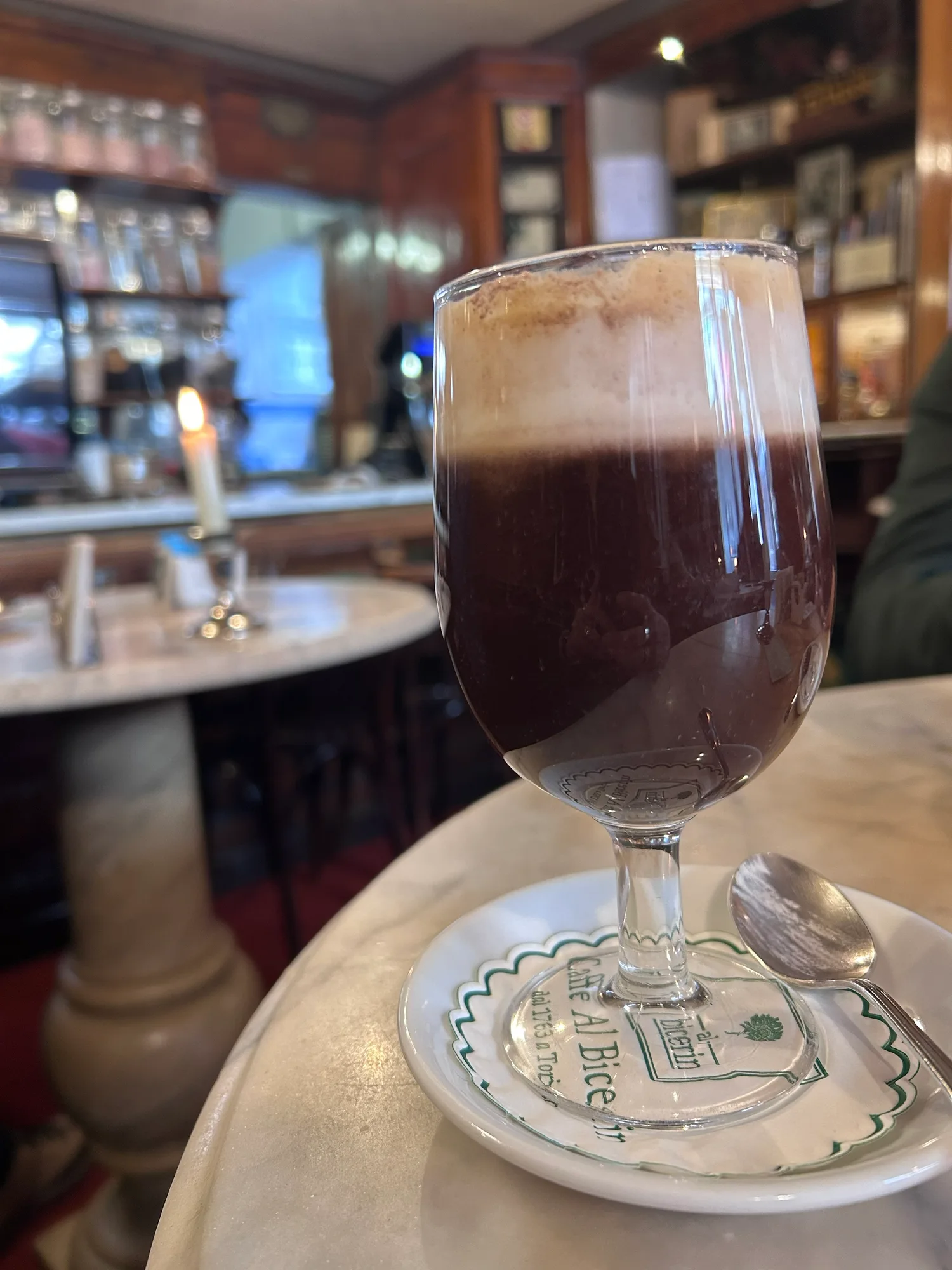
Bicerin
Bicerin evolved from the eighteenth-century bavareisa, a fashionable drink made with coffee, chocolate, milk and syrup. During the nineteenth century, ingredients that had once been served separately were brought together in the small handleless glass from which the drink takes its name. The version that prevailed combines coffee, chocolate and milk cream in distinct layers so that their different densities and temperatures meet on the palate. Its history remains closely linked to Caffè Al Bicerin, opened in 1763 opposite the Consolata sanctuary.
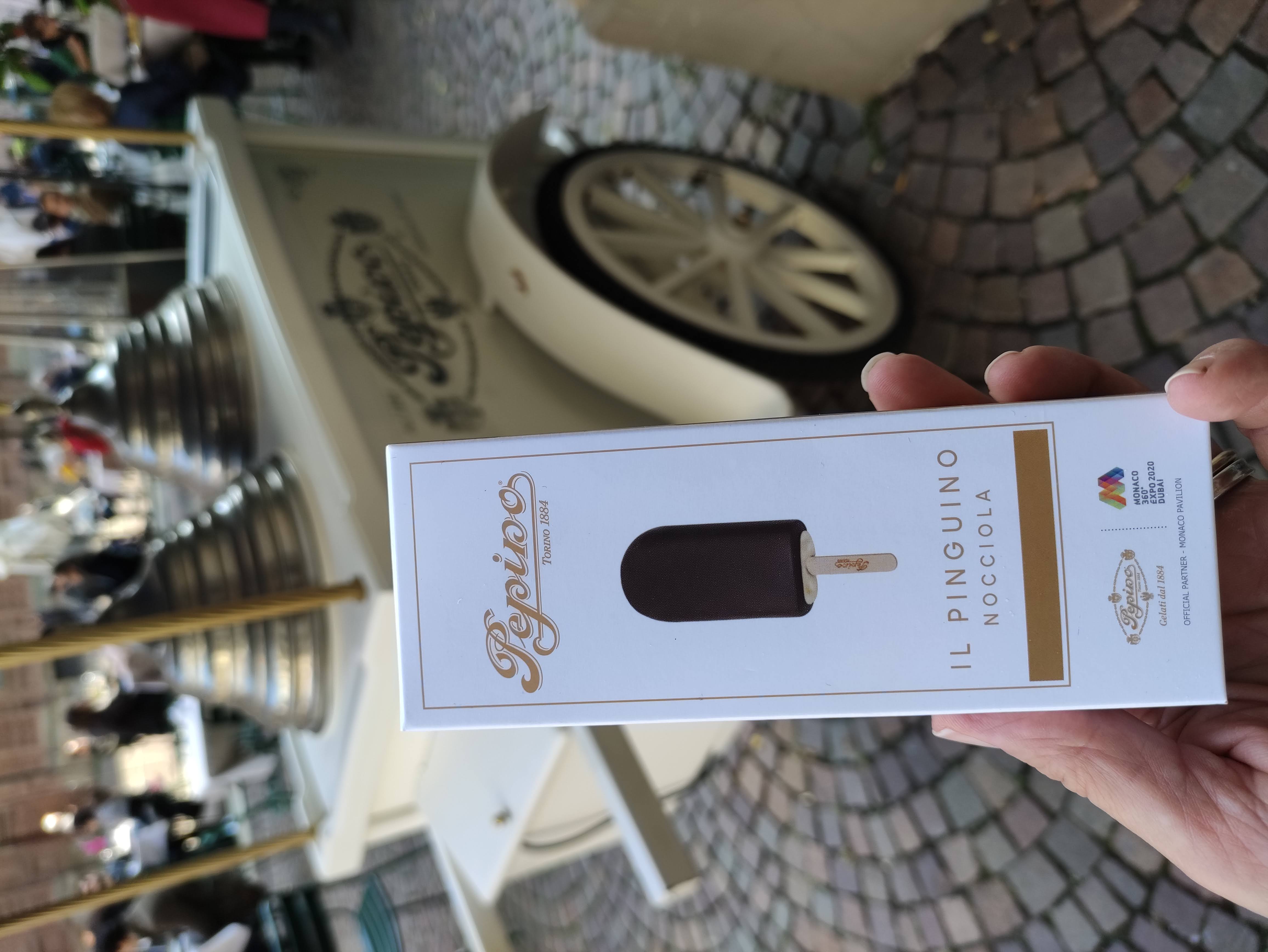
Pepino and the birth of the Pinguino
Turin’s ice-cream history also runs through Gelati Pepino, founded in 1884 and established in Piazza Carignano in 1929. In 1938 Pepino created the Pinguino, patented as the first chocolate-coated ice cream on a stick designed to be eaten while walking. Its thin chocolate coating helped slow melting and made the product practical as well as distinctive. The Pinguino became one of Turin’s most recognisable sweet specialities.
Bunet, gianduia and small pastries
Bunet, gianduiotti, bignole and biscuits complete this sweet culture. It lives both in domestic desserts and in historic cafés and pastry shops.
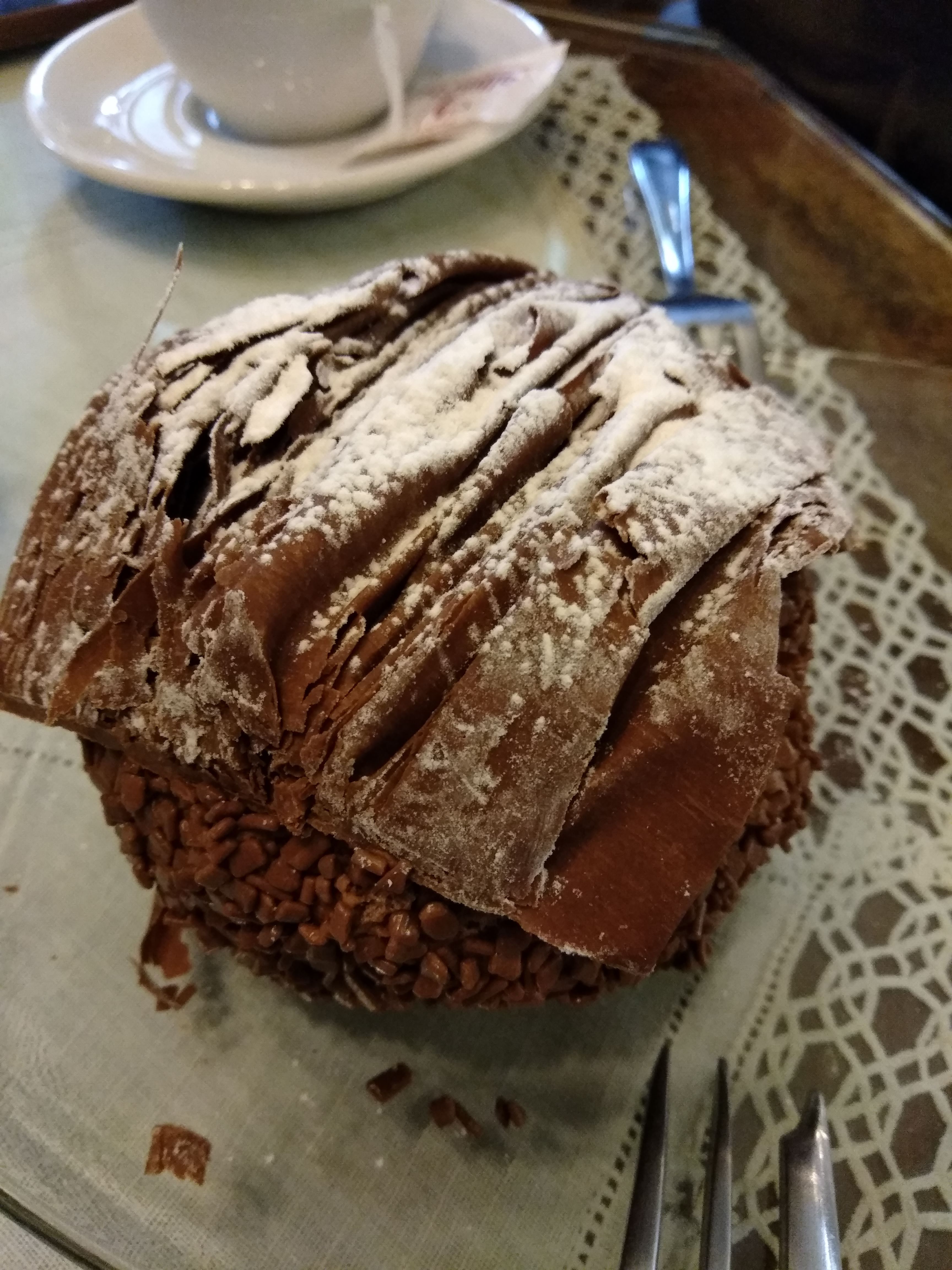
Gianduiotto and the Turin chocolate tradition
Chocolate made with hazelnuts is a hallmark of Turin and Piedmont. Gianduiotto brings together confectionery craftsmanship and Piedmontese hazelnuts.
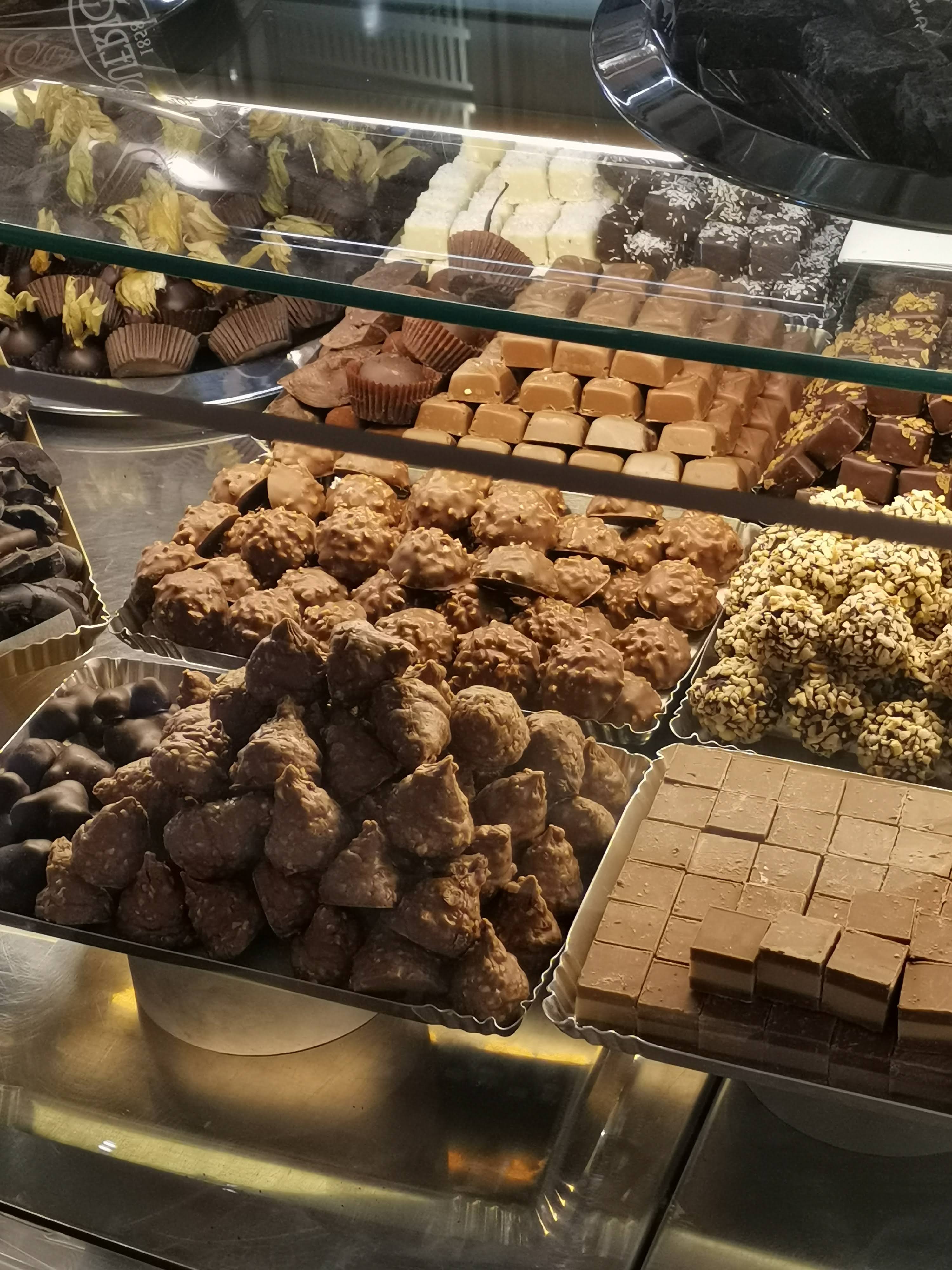
Pfatisch and the Festivo cake
Pfatisch belongs to the history of Turin’s pastry shops. Its chocolate cake, the Festivo, has a story of its own within the city’s sweet traditions.
Bunet and small pastries
Bunet is a baked cocoa-and-amaretti dessert. Gianduiotti, bignole and other small pastries belong equally to the culture of the city’s cafés and pastry shops.
Sweet things in Turin are not only dessert
Chocolate, gianduiotti, cremini, bicerin and small pastries live beyond the end of a meal. The guide even proposes a walking route through cafés, chocolate shops and pastry shops: an excellent way to read the city through short stops.
One real stop is better than ten tastings
Choose one good historic café or pastry shop and actually sit down rather than chasing a long list. Order one speciality, look at the interior and the neighbourhood around you: in Turin, context is part of the taste.