PASTA, RICE AND FIRST COURSES
Agnolotti and ravioli del plin reveal the craft of filled pasta, while finely cut egg-rich tajarin express the cooking of the hills. Further east, the rice fields around Vercelli and Novara give Piedmontese cuisine an entirely different landscape and repertoire.
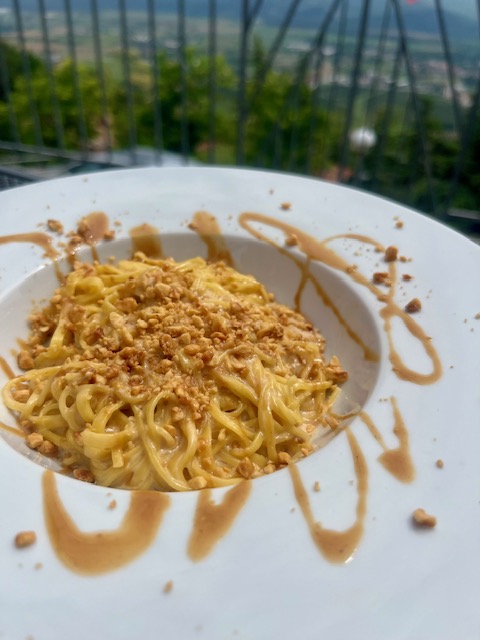
Two geographies in one cuisine
Piedmontese first courses come from very different landscapes. The eastern plains are rice country, while hills and inland areas developed strong traditions of egg pasta and filled pasta.
Agnolotti and tajarin
Agnolotti and tajarin belong to festive, family-based cooking and to skilled handwork. Fillings, roast juices, pasta thickness and egg proportions vary from home to home and from one territory to another.
Piedmontese rice
The areas around Vercelli, Novara and Biella shaped an agricultural landscape dominated by rice fields. Risotto is therefore directly tied to one of the region’s major farming economies.
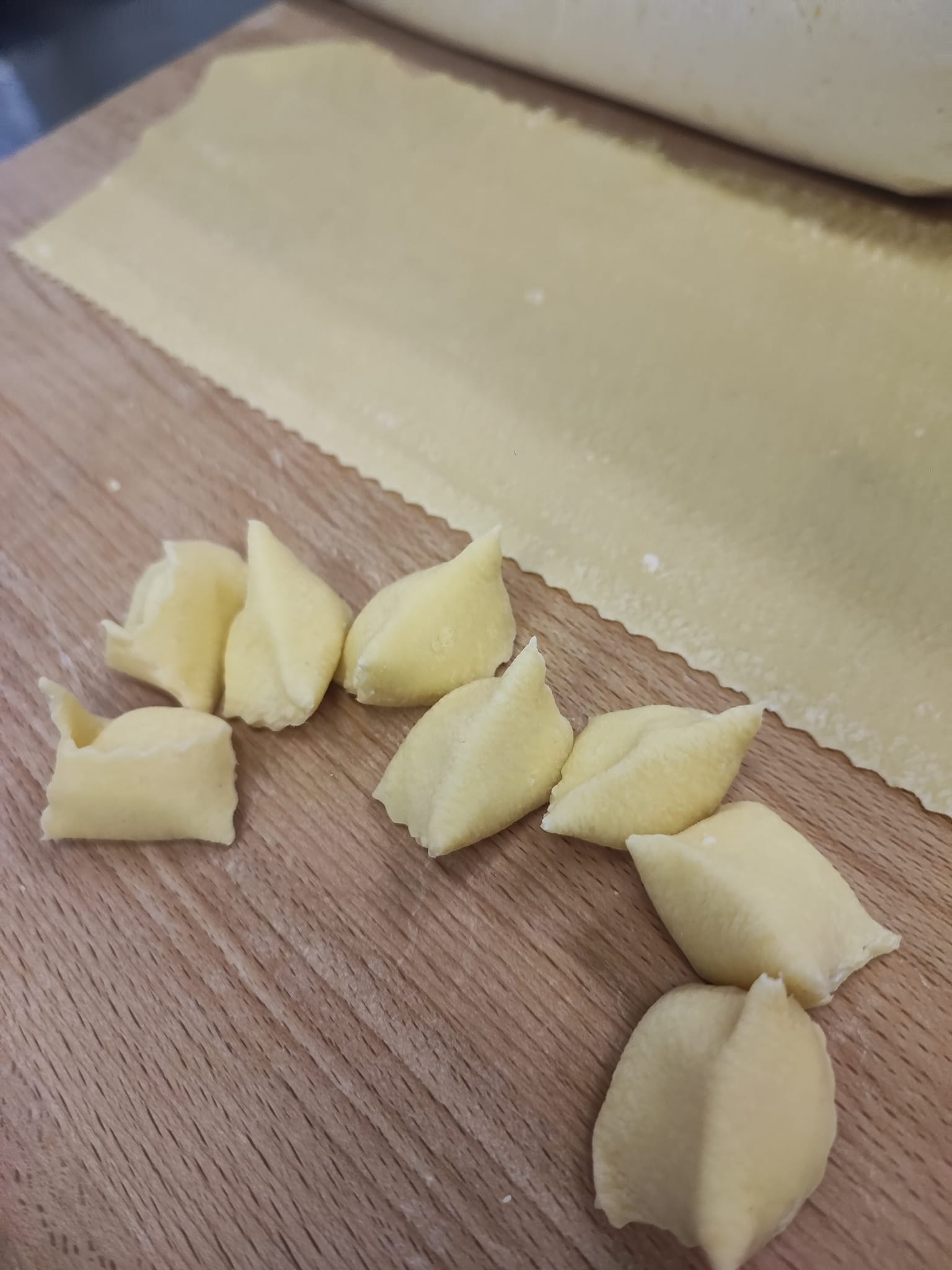
Plin: a pasta named after a gesture
Ravioli del plin are small filled pasta parcels closed with a characteristic pinch. Alongside these Langhe specialities, square agnolotti from Monferrato show the variety of Piedmontese filled pasta.
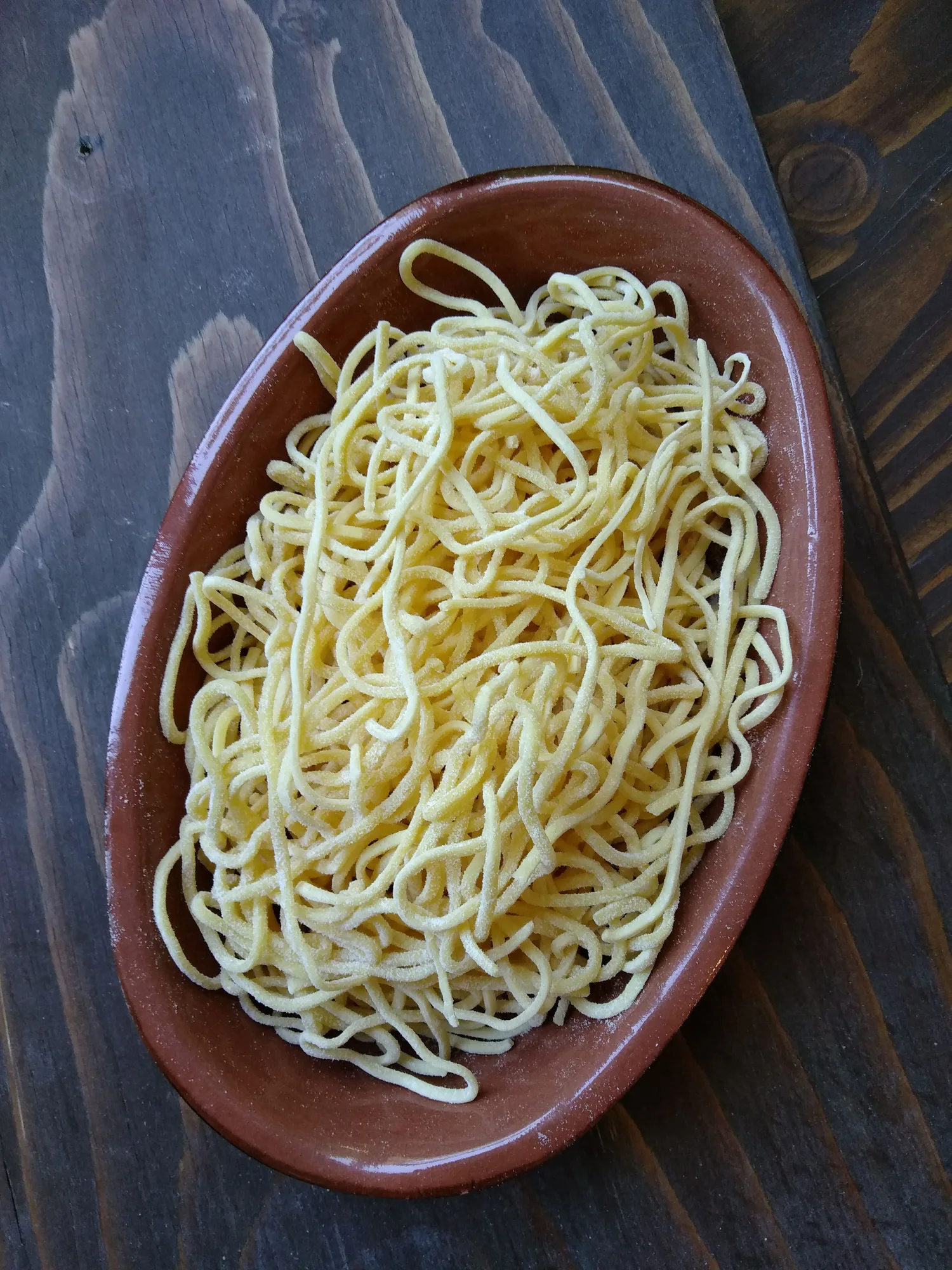
Tajarin and the art of cutting fine pasta
These remarkably thin egg noodles reflect domestic and artisan skill. Butter or roast juices can complement them without overwhelming their delicate texture.
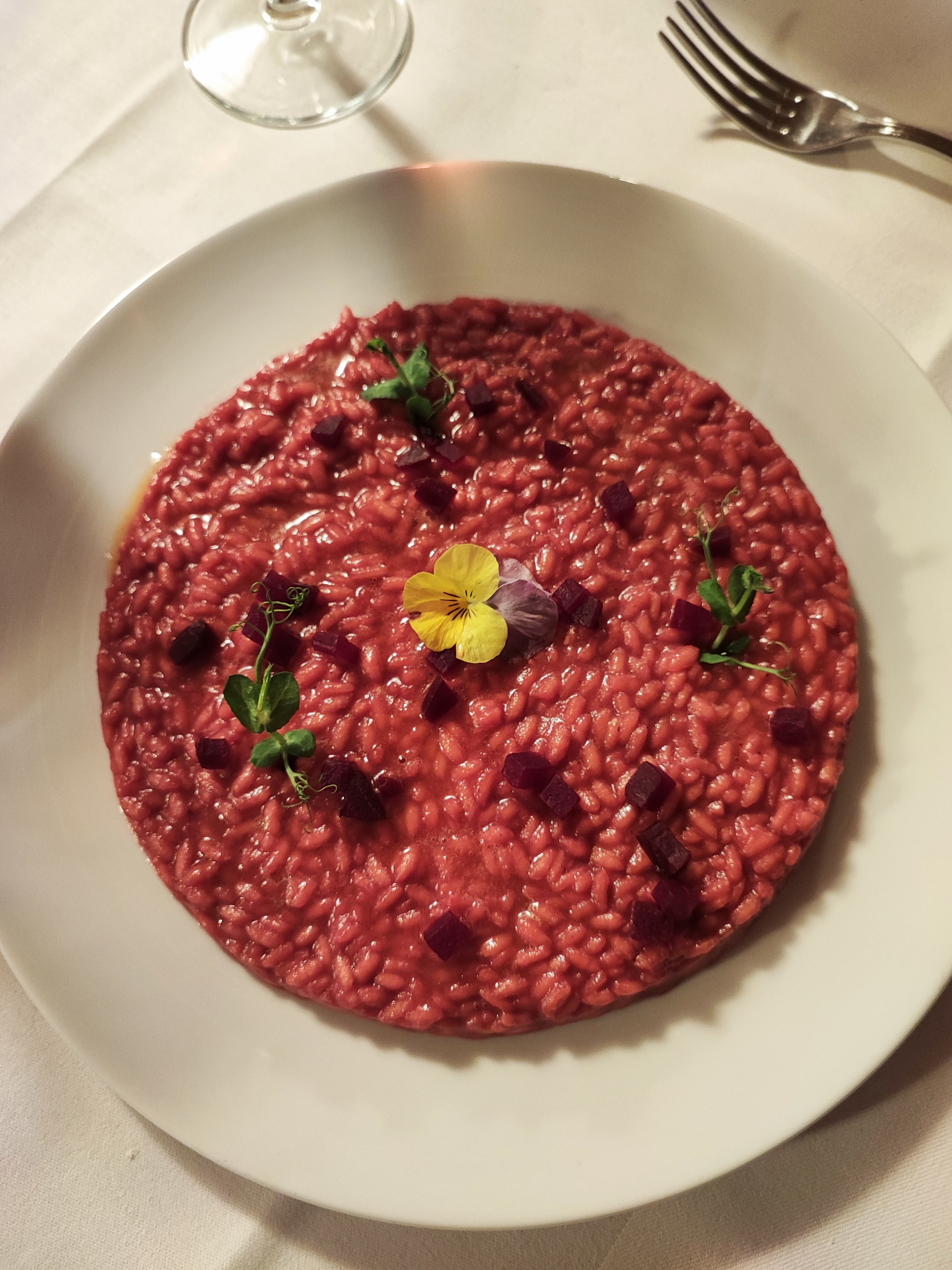
Piedmont’s rice country beyond risotto
The rice-growing plains around Vercelli and Novara shaped the region’s farming and food culture. Grain quality, stock and cooking technique matter as much as the added ingredients.
Carnaroli and rice-growing history
Carnaroli is valued for risotto because the grains hold their shape during cooking. The history of Piedmontese rice also belongs to irrigated fields and the people who worked them.
From tradition to everyday work
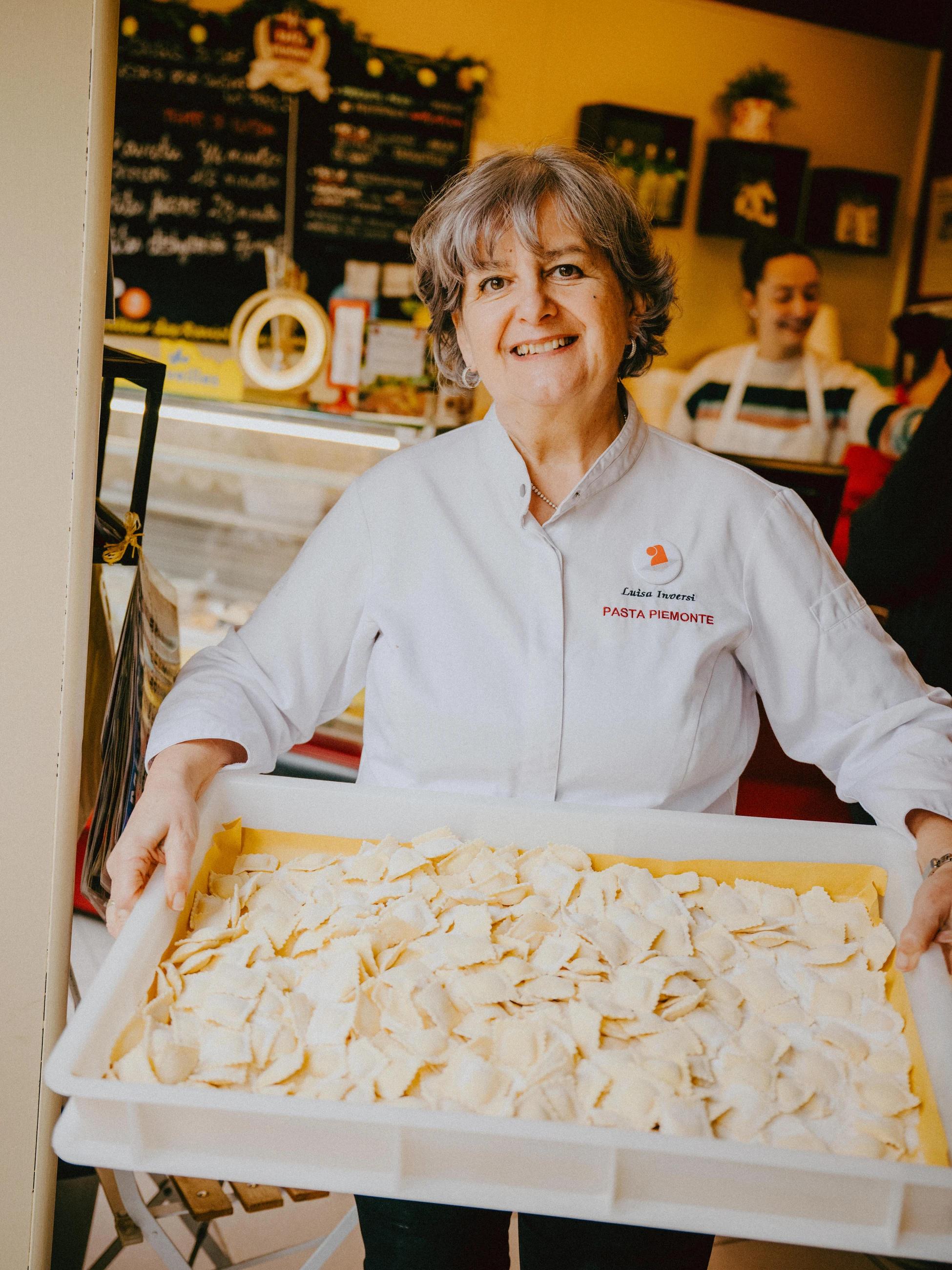
In Menton, pasta is also my profession. At Pasta Piemonte I work with fresh pasta, ravioli and local ingredients. Writing about tajarin, agnolotti and plin therefore connects Piedmontese memory with workshop skills and practical artisan experience.
Passing on knowledge is part of my Maître Artisan qualification. Knowing ingredients, mastering techniques and explaining them carries tradition into everyday work.
Discover Pasta Piemonte ↗Maître Artisan →I Segreti della Pasta Fresca
Mixing, resting, rolling, cutting and cooking: I Segreti della Pasta Fresca is a free practical guide, in Italian, to the essential skills of fresh pasta.
Read the free guide in Italian ↗Agnolotti or tajarin?
If it is your first time, try both on separate occasions. Agnolotti are filled and may come with roast juices or butter; tajarin are very thin and work best with sauces that do not overwhelm them. They are two very different expressions of Piedmontese pasta.
And then there is rice
Rice belongs fully to the Piedmontese landscape, especially in the eastern plains. A good risotto is not a Lombardy detour: it is part of the regional cuisine and deserves the same attention as pasta.