Before cookbooks
Before speaking of Piedmontese cuisine, look at bread, wine, grains, kitchen gardens, preservation and seasonal availability.
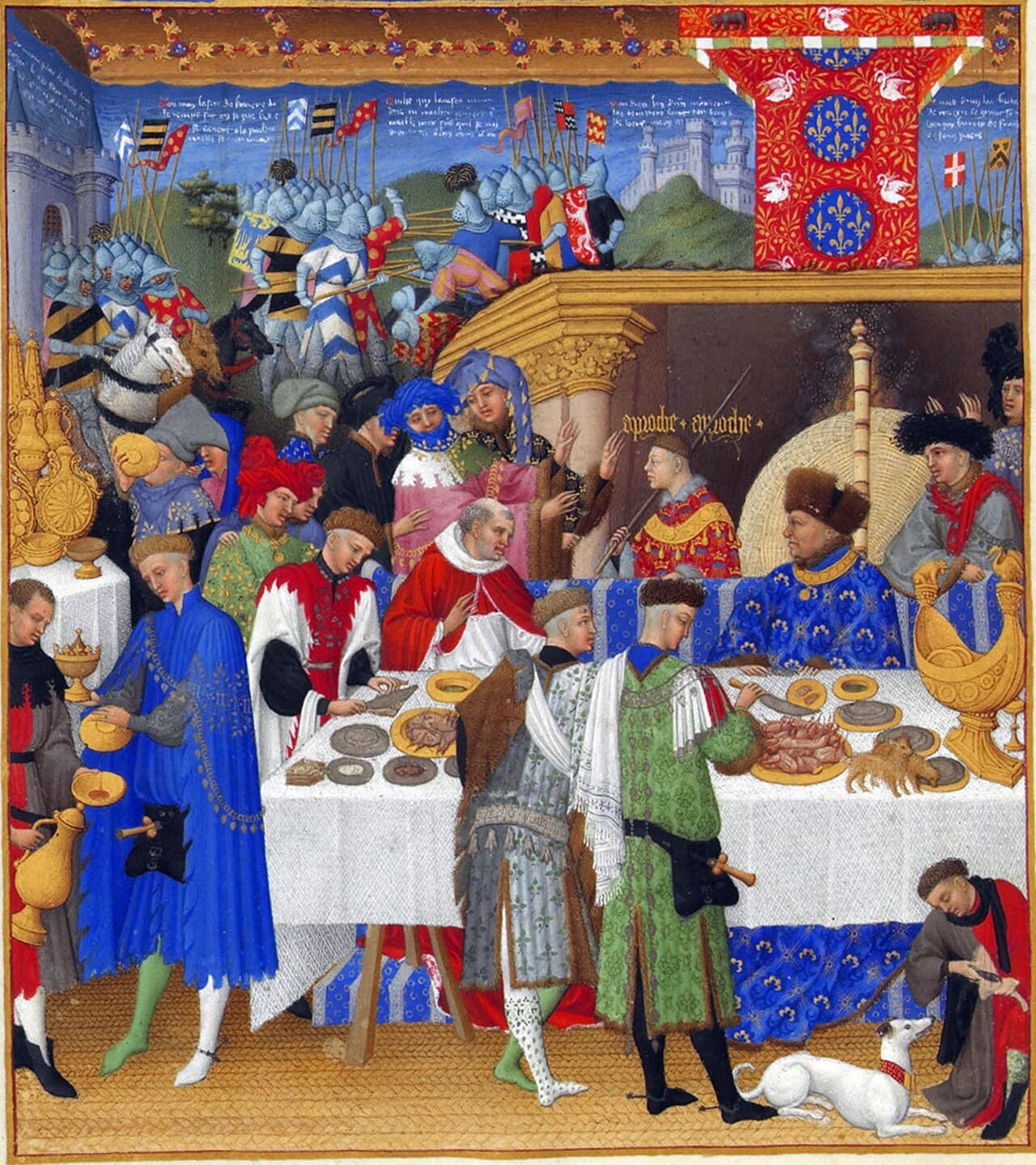
Before nineteenth-century codification, food practices differ between city and countryside, plain and mountain, wealthy tables and popular meals.
Before speaking of Piedmontese cuisine, look at bread, wine, grains, kitchen gardens, preservation and seasonal availability.
Wealthy tables, popular meals and home cooking coexist. Regional cuisine also grows out of these social and territorial differences.
In 1420, Maître Chiquart, cook at the court of Amadeus VIII of Savoy, dictated Du fait de cuisine, a remarkable source on ducal banquets, provisions, sauces, spices and the work of court kitchens.
This is evidence for medieval Savoy court gastronomy, not a direct record of everyday eating among Piedmontese families.
Explore the manuscript ↗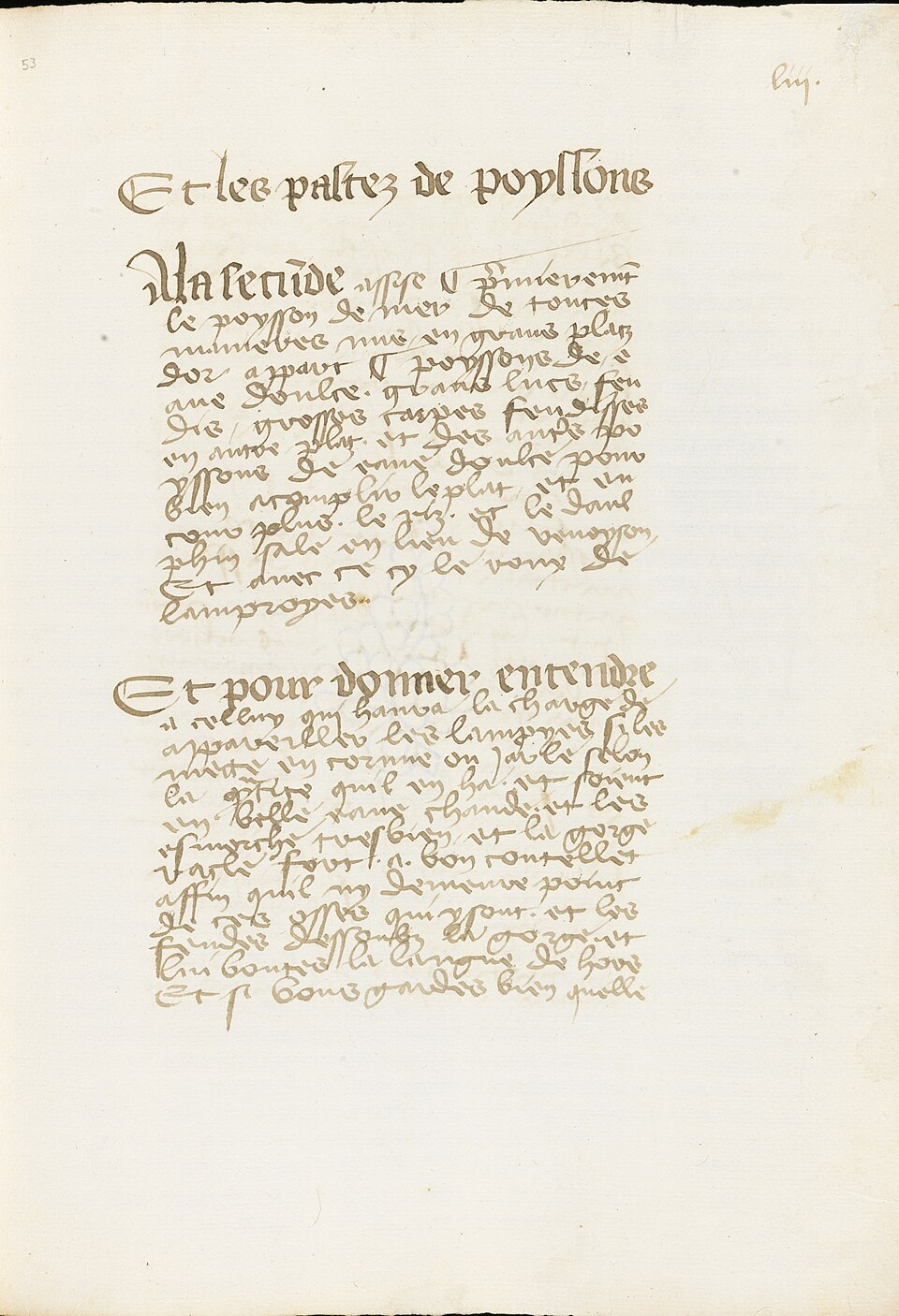
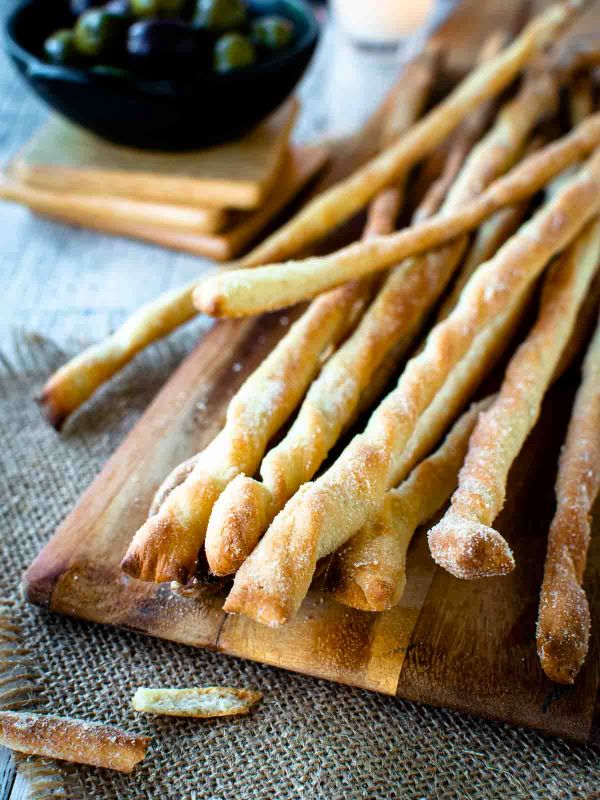
The history of grissini begins with an older Turin bread, the grissia or ghërsa. One interpretation suggests that bread loaves became progressively thinner in the late Middle Ages, partly for economic reasons. The name ghersin, later grissino, may derive from these smaller grissia loaves. This remains a historical interpretation rather than a securely dated invention.
The best-known story takes place at the Savoy court in 1679. Young Victor Amadeus II, later duke of Savoy and king of Sardinia, reportedly had trouble digesting the soft crumb of insufficiently baked bread. According to tradition, court baker Antonio Brunero, advised by a physician, transformed the ghërsa into a thin, dry, crisp stick with very little crumb. The details of this account are traditional rather than established historical fact.
Together, these stories trace a link between the breads of medieval Turin and the Savoy court of the seventeenth century. Grissini would become one of Turin’s best-known foods.