Vialardi creates a system
In 1854 Giovanni Vialardi gathers ingredients, techniques, weights, service, preservation, pastry and thousands of preparations into an organised system.
With Giovanni Vialardi, ingredients, techniques, weights, service, preservation and pastry become part of an organised system.
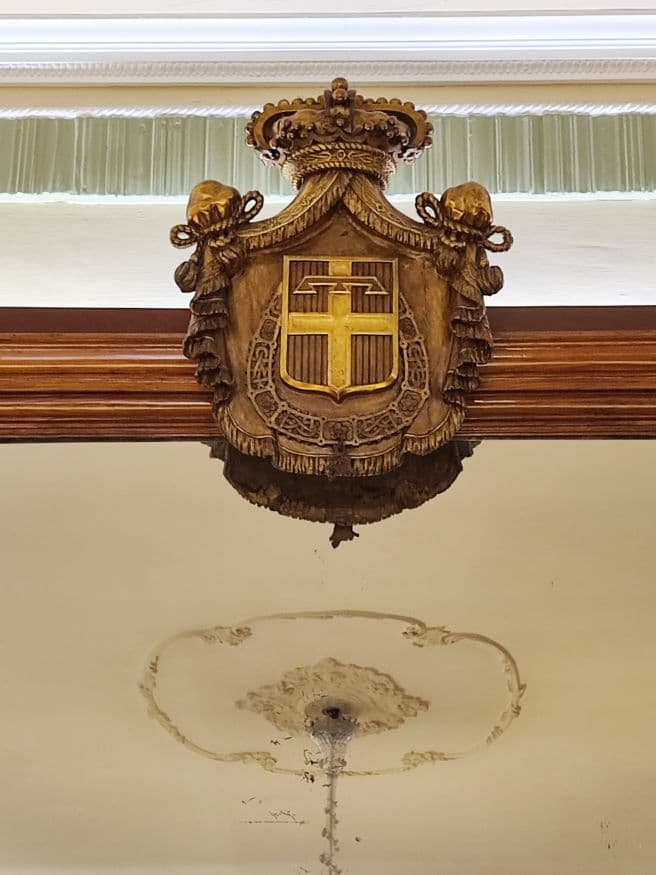
In 1854 Giovanni Vialardi gathers ingredients, techniques, weights, service, preservation, pastry and thousands of preparations into an organised system.
Plates and drawings show tools, shapes, cuts and presentation: images become part of culinary method.
Vialardi’s 1854 cookbook belongs to a wider transformation. From the late eighteenth century through the nineteenth, coffeehouses, chocolate makers, vermouth producers and changing mealtimes reshaped social life in Turin. Not every product originated in the nineteenth century: its place in city life was what changed.
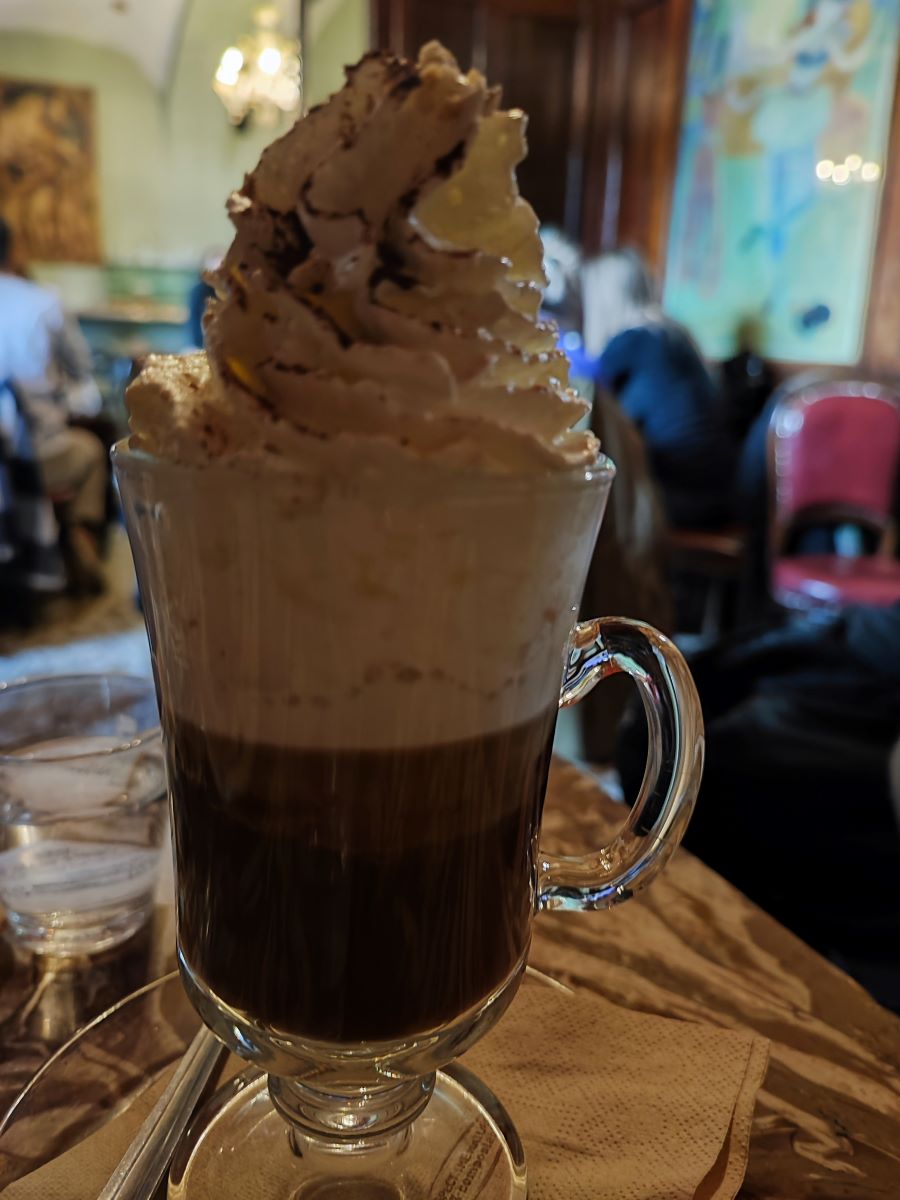
Cocoa was known at the Savoy court in the seventeenth century, and coffee was established in Europe well before 1800. During the nineteenth century, Turin’s cafés and chocolate makers became increasingly important as places of sociability, craftsmanship and industry.
Coffee and chocolate in Turin ↗Turin’s historic cafés ↗
Antonio Benedetto Carpano began producing his vermouth in Turin in 1786. Its commercial reach grew during the nineteenth century as cafés, manufacturers and aperitivo culture developed. This should not be confused with the invention of aromatised wine, whose history is much older.
Vermouth and aperitivo ↗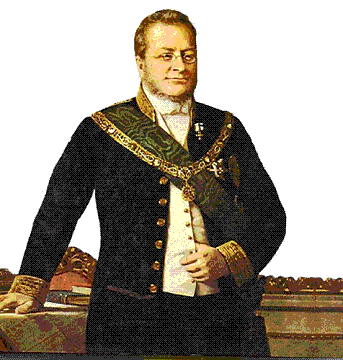
Camillo Benso, Count of Cavour, was a central figure in Italian unification and a regular patron of Ristorante Del Cambio, which opened in Piazza Carignano in 1757. Nearby Palazzo Carignano housed the Subalpine Parliament and, from 1861, the Chamber of Deputies of the Kingdom of Italy. Restaurant tradition remembers Cavour among its distinguished guests and recalls the nickname “Vice-Parliament”. These accounts illustrate how politics and dining overlapped in nineteenth-century Turin, without proving exactly how often he visited.
The history of Ristorante Del Cambio ↗Meal names reveal social change. Historically, French déjeuner meant breaking the overnight fast, whereas dîner referred to the main daytime meal. In urban upper-class life, dinner gradually moved later during the eighteenth and nineteenth centuries, until it became an evening meal; déjeuner increasingly came to mean lunch, preceded by a petit déjeuner.
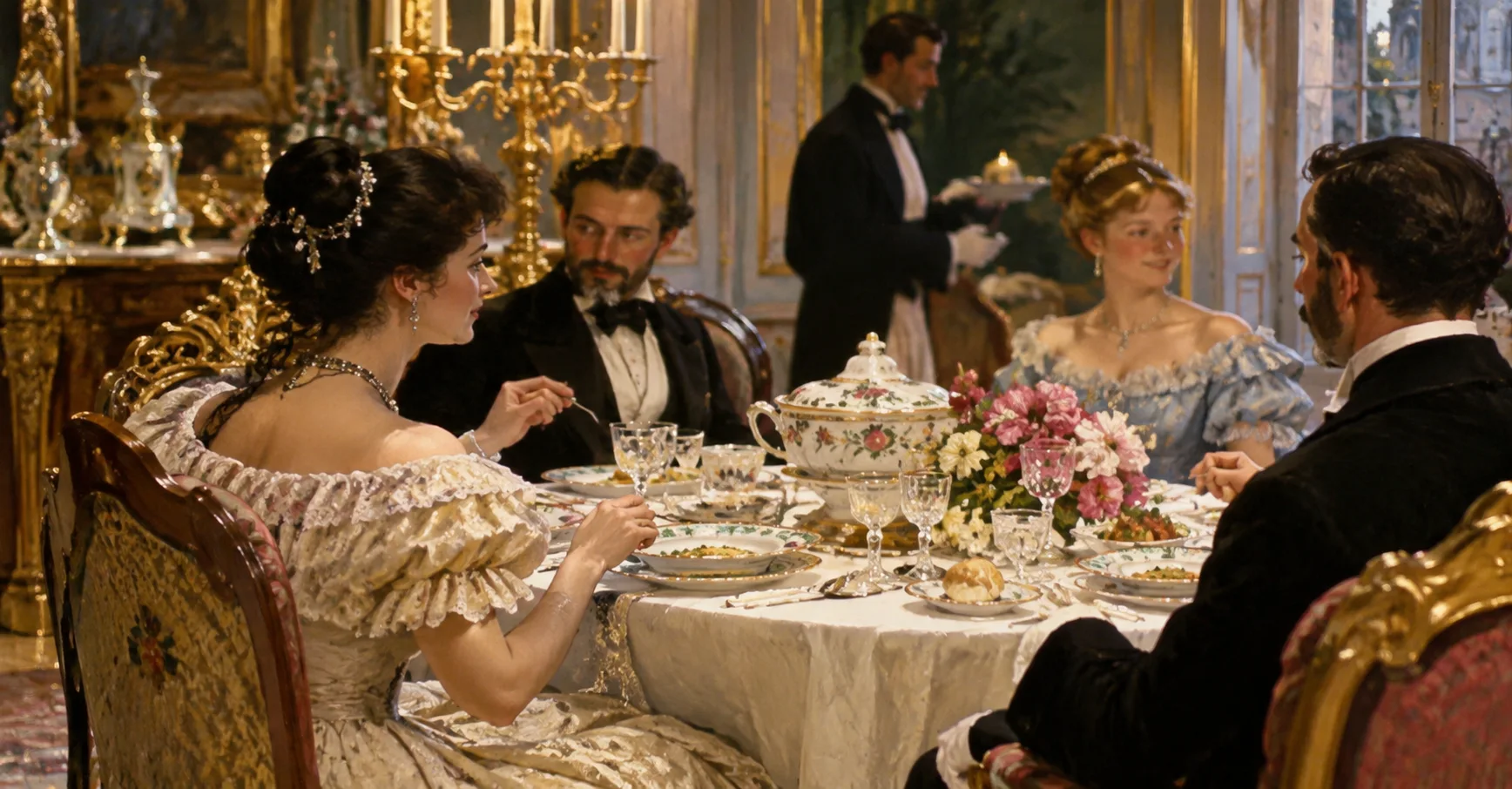
Social evenings, balls, salons and theatres contributed to later schedules among those who could afford them. People working from dawn often maintained different routines. In parts of the French-speaking world, dîner still means the midday meal today. English lunch and dinner underwent related, but not identical, shifts.
The changes are especially well documented for France and Britain. Historical menus from Turin’s City Historical Archive will help reveal the specific terminology used in Savoy and Turin dining, rather than assuming that every local practice followed the same timetable.