The Alba white truffle
A fragrance from the earth, shaped by roots, relationships and knowledge handed down through generations.
A treasure beneath the soil
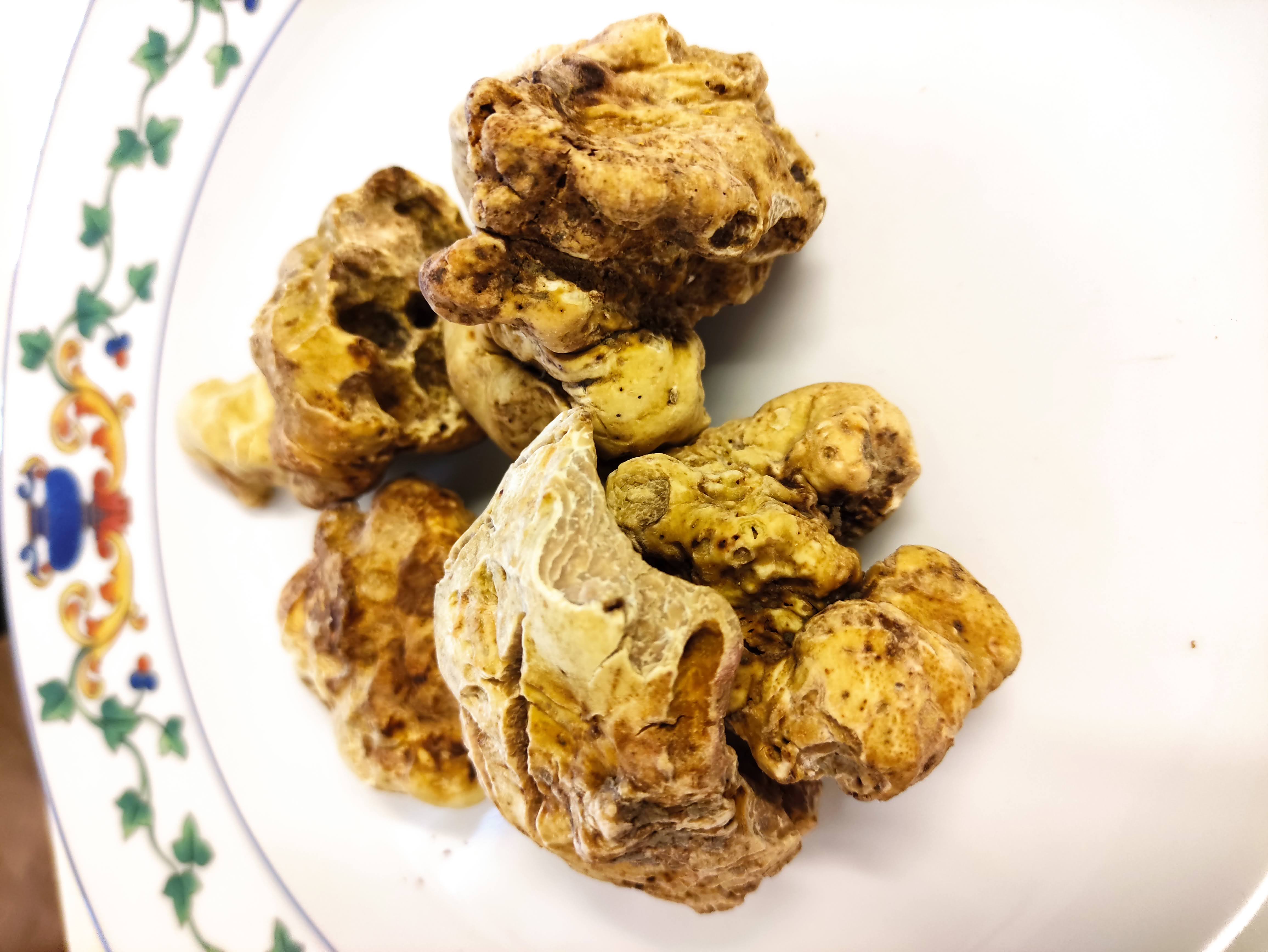
Tuber magnatum Pico is an underground fungus that lives in symbiosis with the roots of certain trees. Soil, moisture, climate and vegetation all influence where it grows.
Alba has long been an important centre for the truffle trade, but the name does not restrict the species to a single, sharply delimited geographic area.
My roots in the Roero
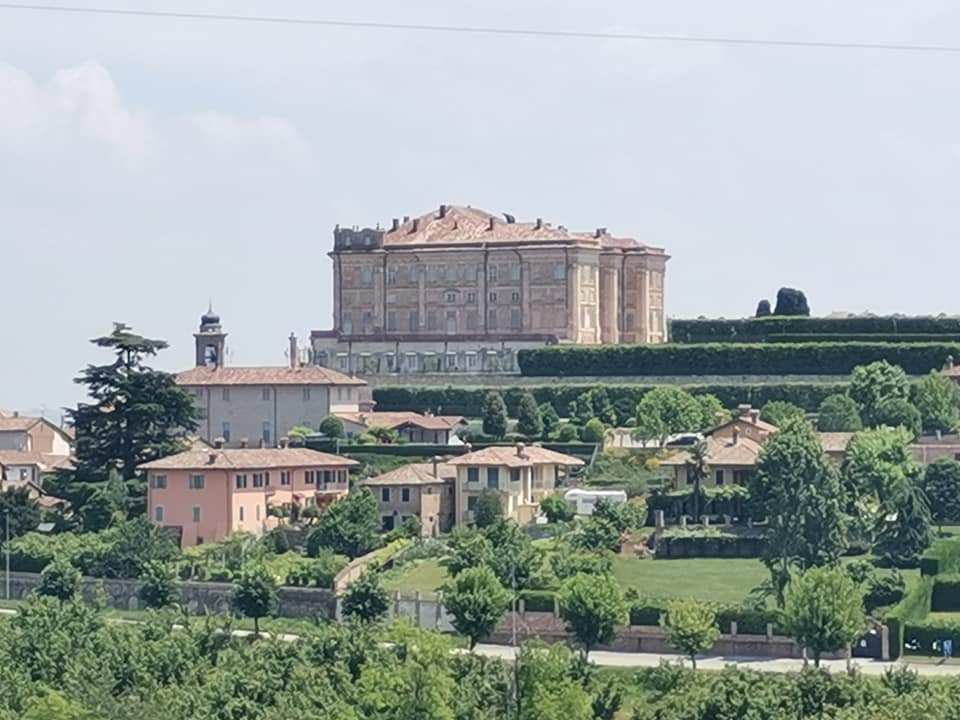
In the Roero, where my family roots lie, I heard stories of the trifolao from early childhood: almost legendary figures who seemed to know every path through the woods.
Many truffle hunters were also farmers. The autumn search followed grape harvests and hazelnut picking, part of the seasonal rhythm of rural life.
The trifolao and the dog
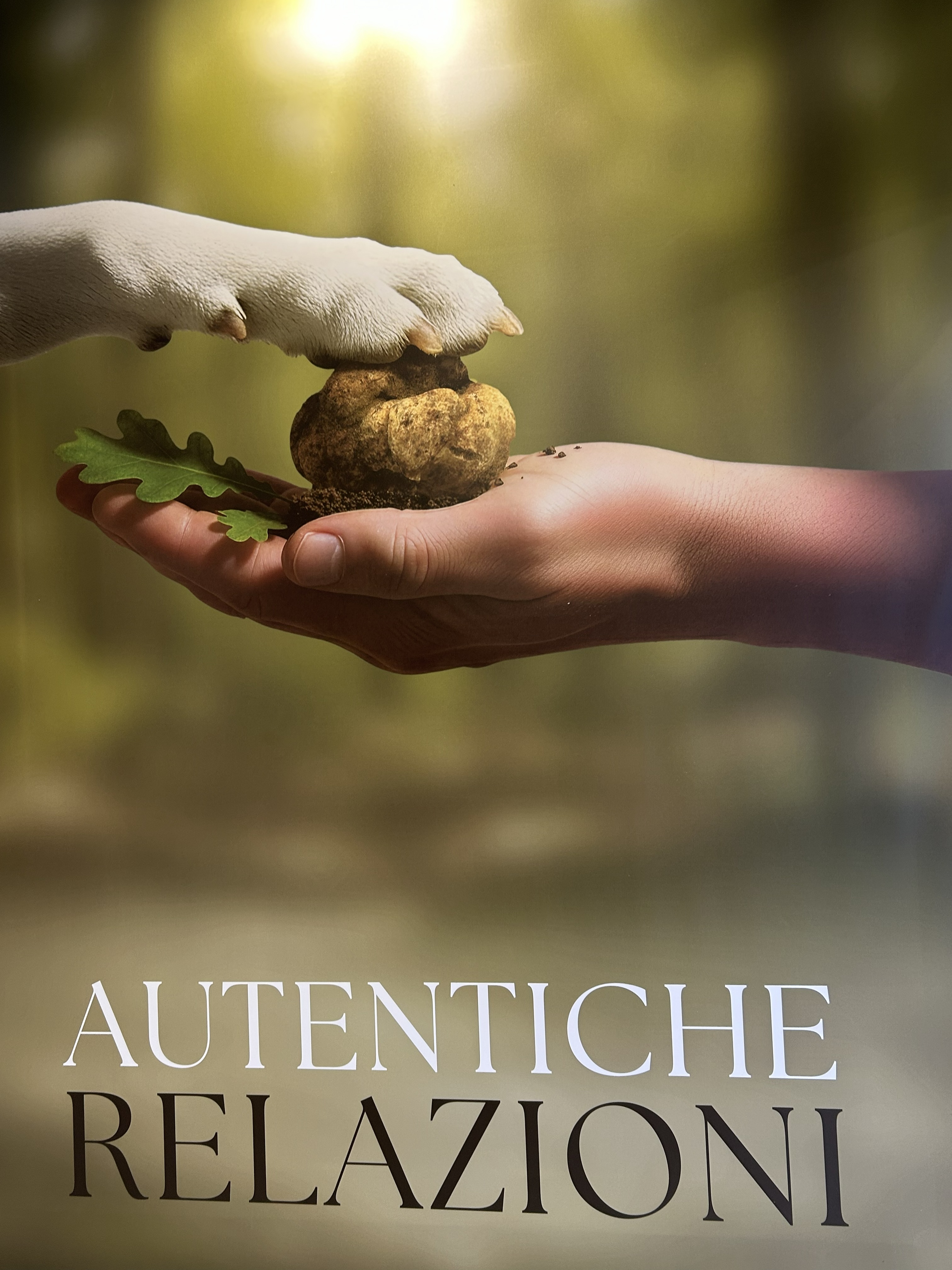
A trained dog detects the scent underground, while the hunter carefully extracts the truffle without needlessly damaging the soil.
In 2021 Italy’s traditional knowledge and practices of truffle hunting and extraction were added to UNESCO’s Intangible Cultural Heritage list. The recognition concerns the cultural practice, not individual truffles.
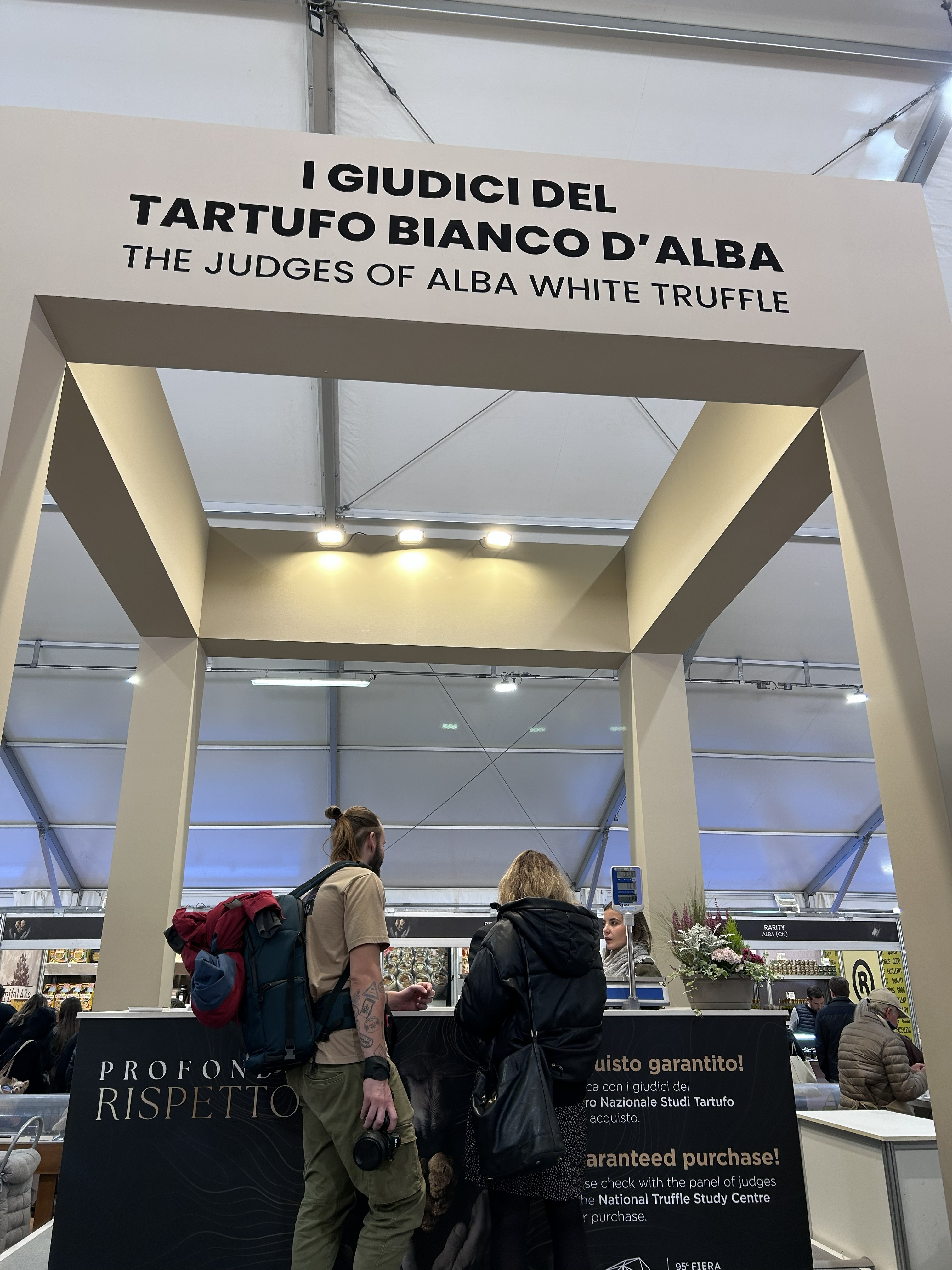
Alba’s International White Truffle Fair
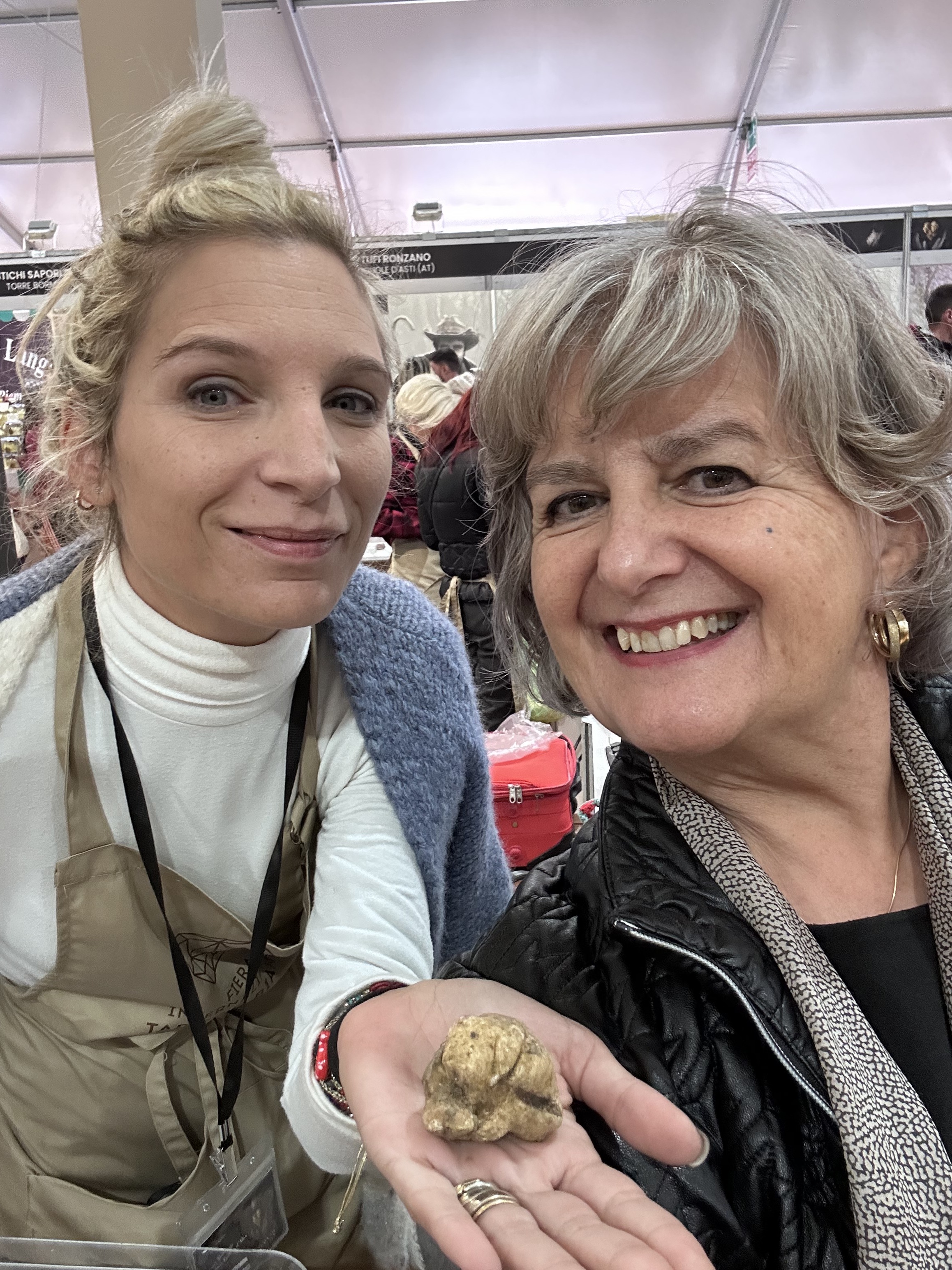
Alba’s International White Truffle Fair brings together hunters, traders, chefs, farmers and visitors. At the World Truffle Market, a quality commission examines truffles on sale.
The fair is also about the relationships and trust built around the trade. Consult fieradeltartufo.org for official dates and programmes.
Official Alba White Truffle Fair website ↗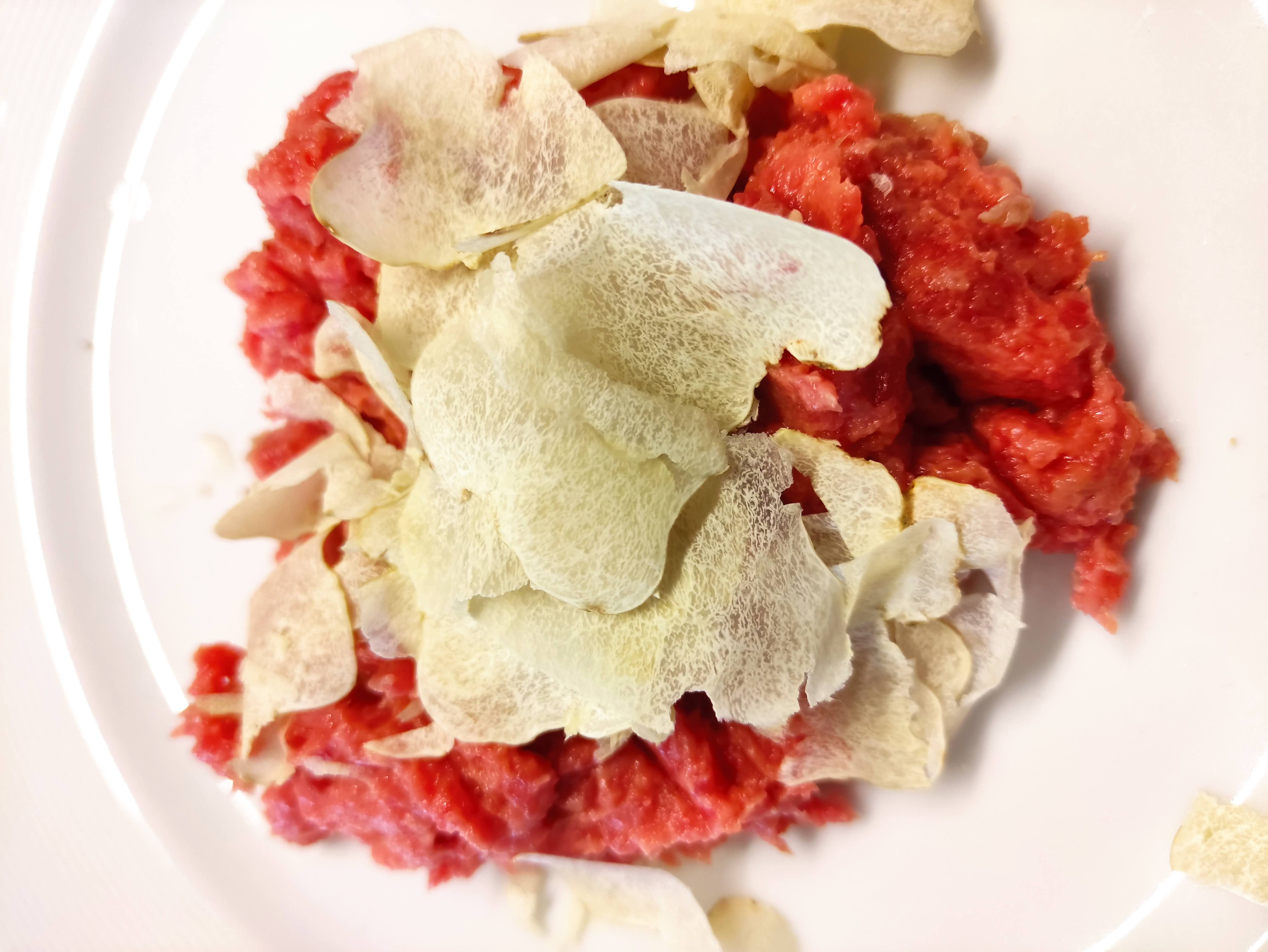
In the kitchen
White truffles are often best appreciated over warm, simple dishes such as tajarin or eggs. Their fragrance is the point: the other ingredients should not overwhelm it.
Fresh white truffles should not be confused with flavoured oils or products loosely described as “truffle-flavoured”.