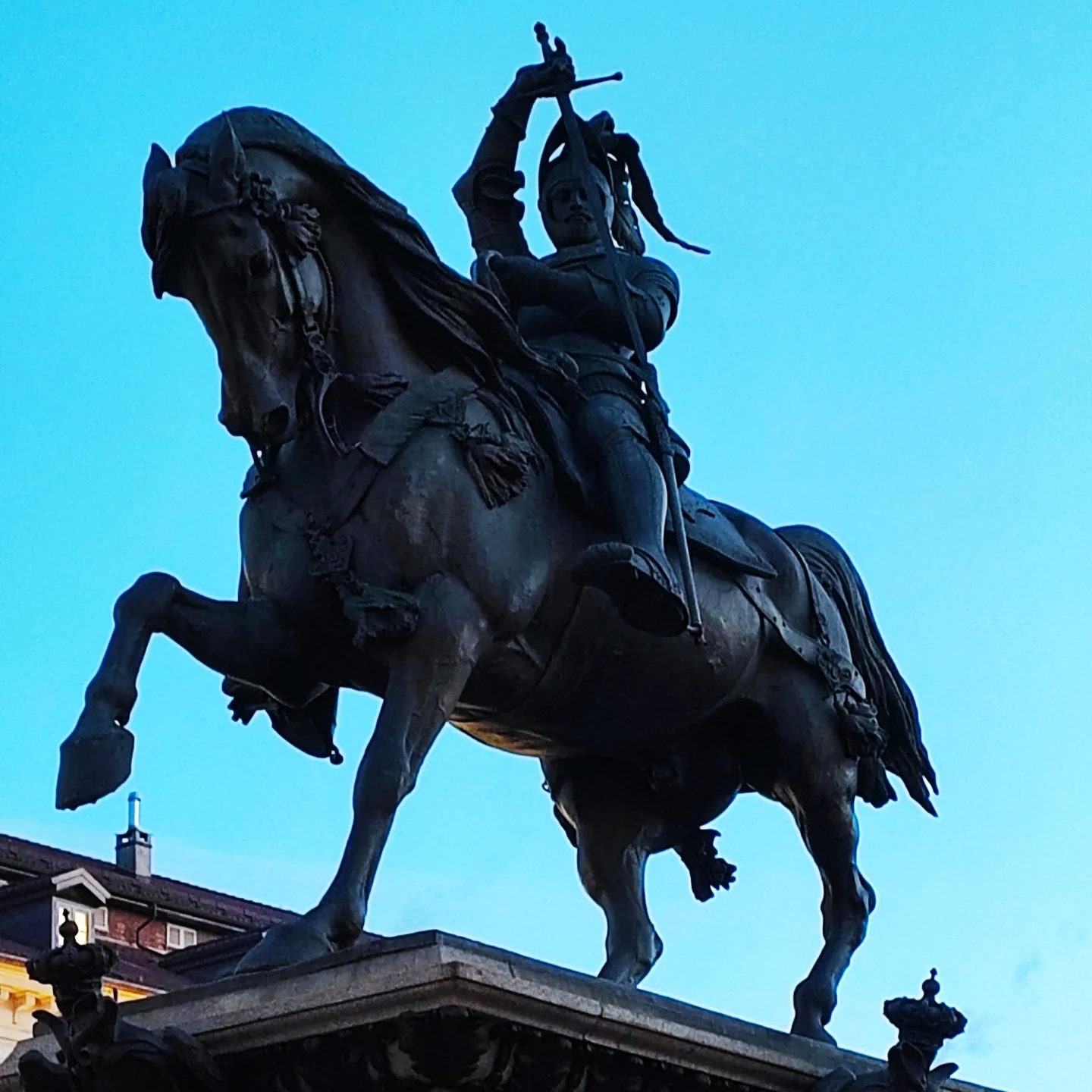
To understand the Turin that followed, we need to return to 1563. That year Emmanuel Philibert of Savoy, known as Iron Head, permanently established the capital of the Savoy state in Turin and moved its political, military and administrative centre there.
A decision that changed the city’s future
Moving the capital from Chambéry to Turin was not simply a change of residence. It concentrated the court, government offices and military and administrative functions in the city. Turin gradually began to build its role as a capital.
Fortify, govern, transform
After the move, Emmanuel Philibert launched a programme of military and urban strengthening. The new Citadel, designed by Francesco Paciotto from 1564, became one of the clearest symbols of this transformation.
From 1563 to 1861: the long thread of a capital
Emmanuel Philibert’s decision prepared a much longer story: Turin would become capital of the Duchy of Savoy, then of the Kingdom of Sardinia and finally, in 1861, the first capital of the Kingdom of Italy.
Turin becomes a capital again: 1861 and Palazzo Carignano
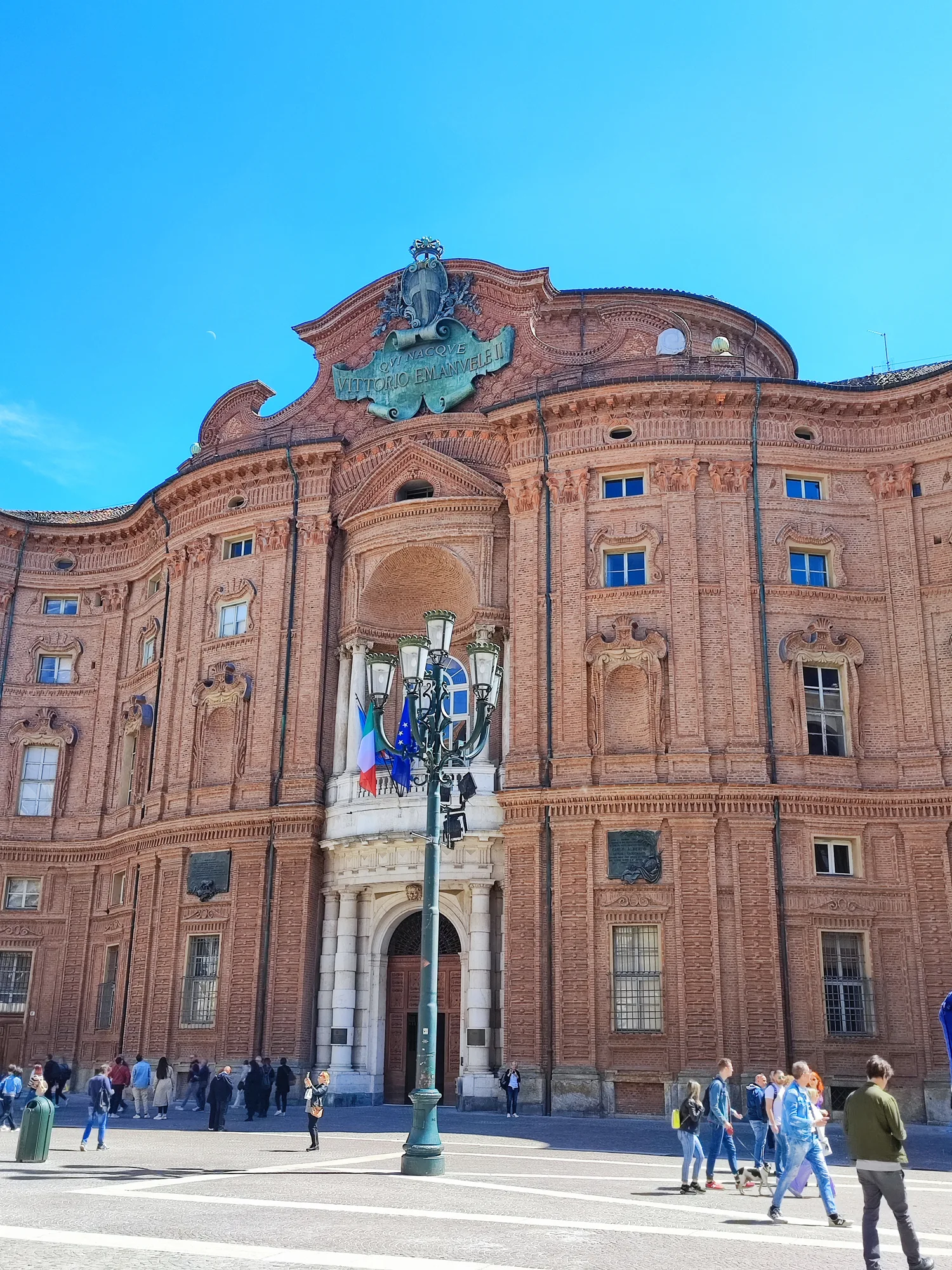
In 1861 Turin became the first capital of the Kingdom of Italy. Palazzo Carignano, designed by Guarino Guarini, stood at the heart of this new chapter. Victor Emmanuel II, the first king of Italy, often called the Father of the Fatherland, was born here in 1820. The Chamber of the Subalpine Parliament met here from 1848; on 18 February 1861, the king inaugurated the first Italian Parliament in a temporary chamber built in the courtyard. The palace now houses the National Museum of the Italian Risorgimento.
Palazzo Carignano, birthplace of Victor Emmanuel II and seat of the first Italian Parliament.The Pietro Micca Museum, the Citadel and the 1706 siege of Turin.
The Citadel and the Pietro Micca Museum
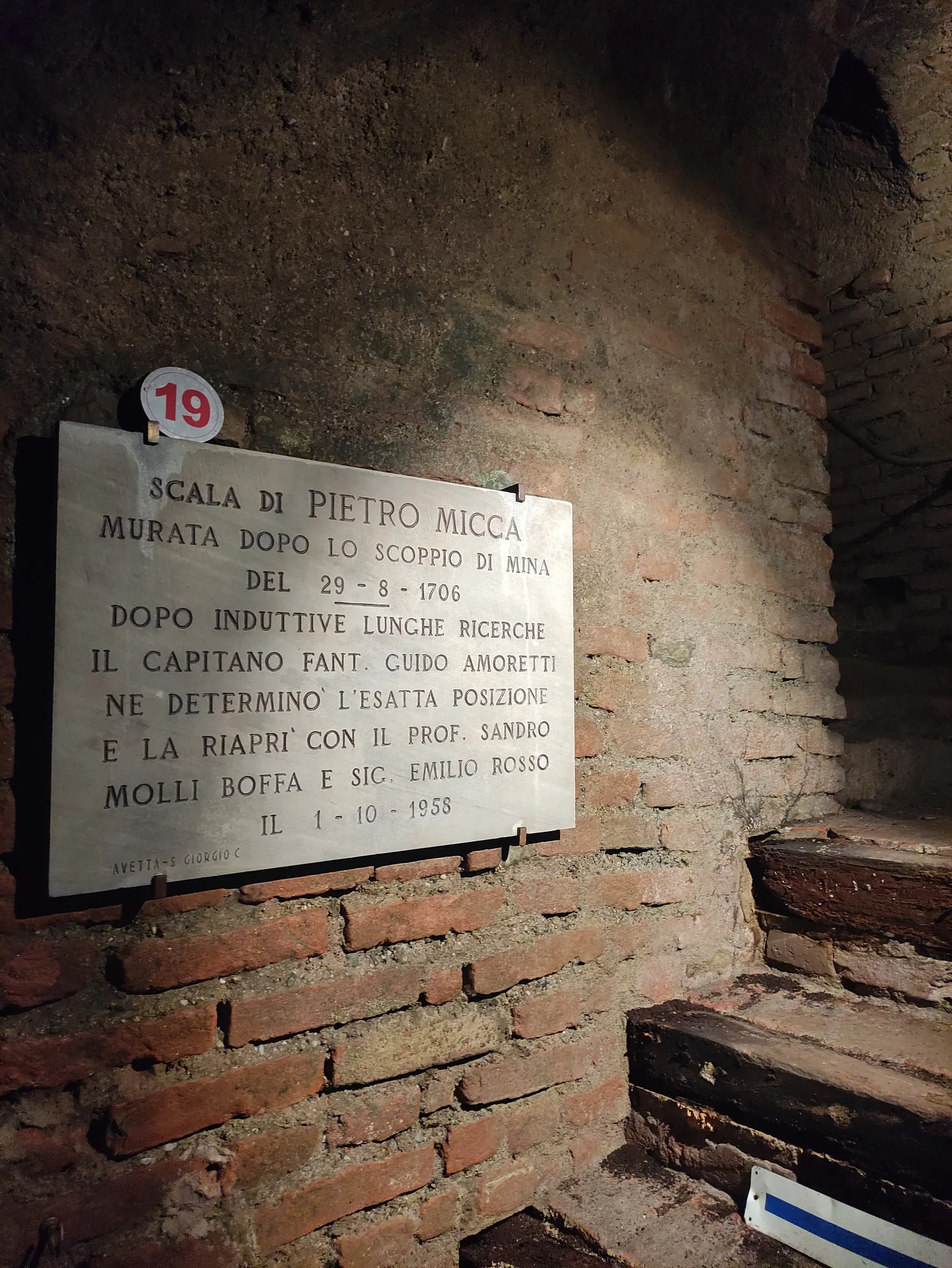
Turin’s history as a Savoy capital is also a story of fortifications. The Citadel, designed by Francesco Paciotto for Emmanuel Philibert from 1564, became an essential part of the city’s defences. The Pietro Micca Museum preserves that history through its underground galleries and the story of the 1706 siege.