HISTORY OF PIEDMONTESE CUISINE

Turin, markets and food supply

Turin can also be understood through the way it organised its food supply. For centuries, grain, bread, wine, meat, ice and vegetables were commodities, public health concerns, subjects of taxes and price controls, and matters of urban government. From markets in the central squares to Porta Palazzo, the MOI and today’s neighbourhood markets, provisioning tells an essential part of the city’s history.

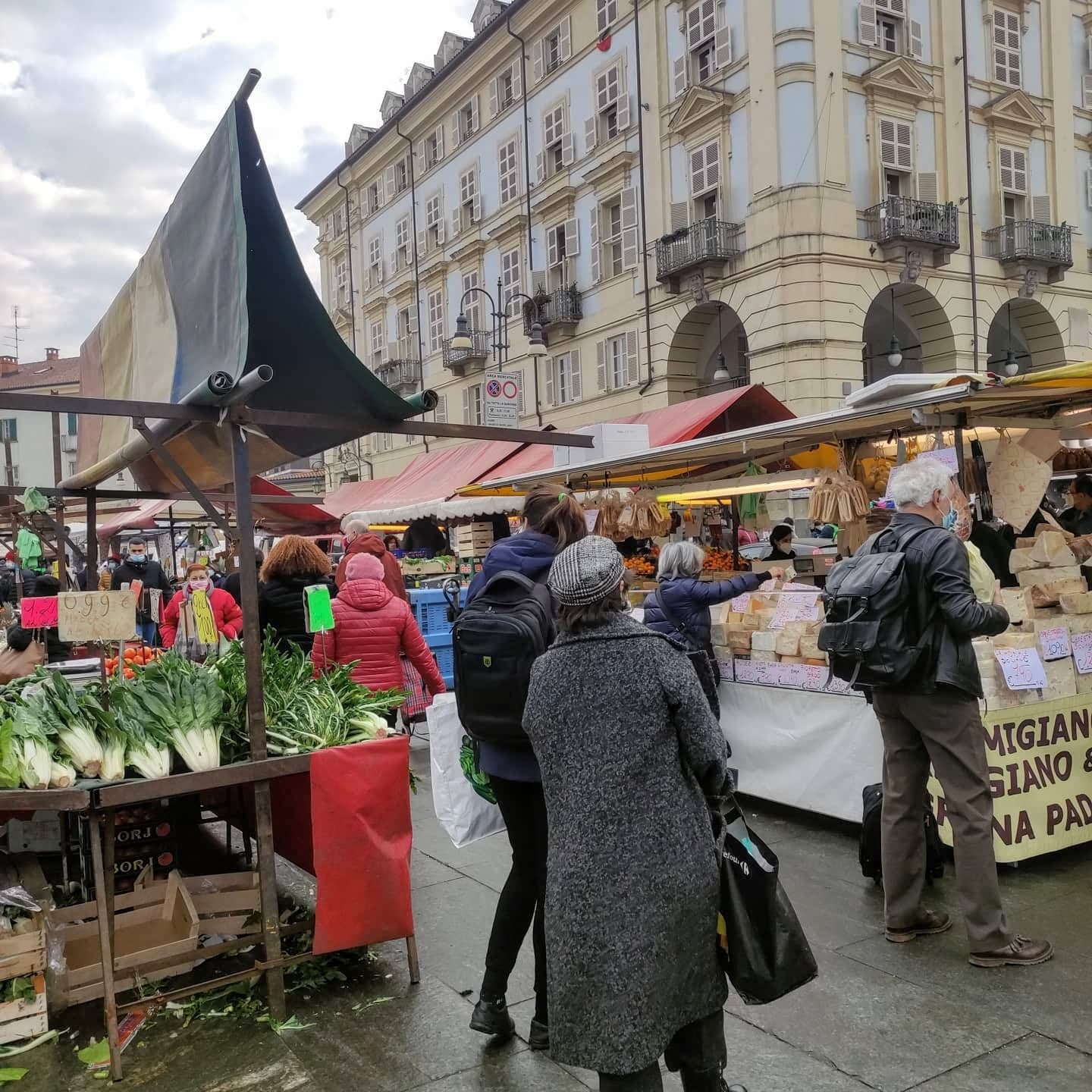
Porta Palazzo market in Turin
Porta Palazzo, Turin’s great market heart.
FROM ARCHIVES TO THE CITY

Food as urban infrastructure

The Historical Archives preserve records of food supplies, mills, municipal ovens, bread and meat prices, slaughterhouses and markets. They show how far food was a public responsibility. Controlling weight, quality, hygiene and prices was part of governing the city.

ARCHIVAL DOCUMENTS · TURIN AND FOOD

When buying food was also a matter of government

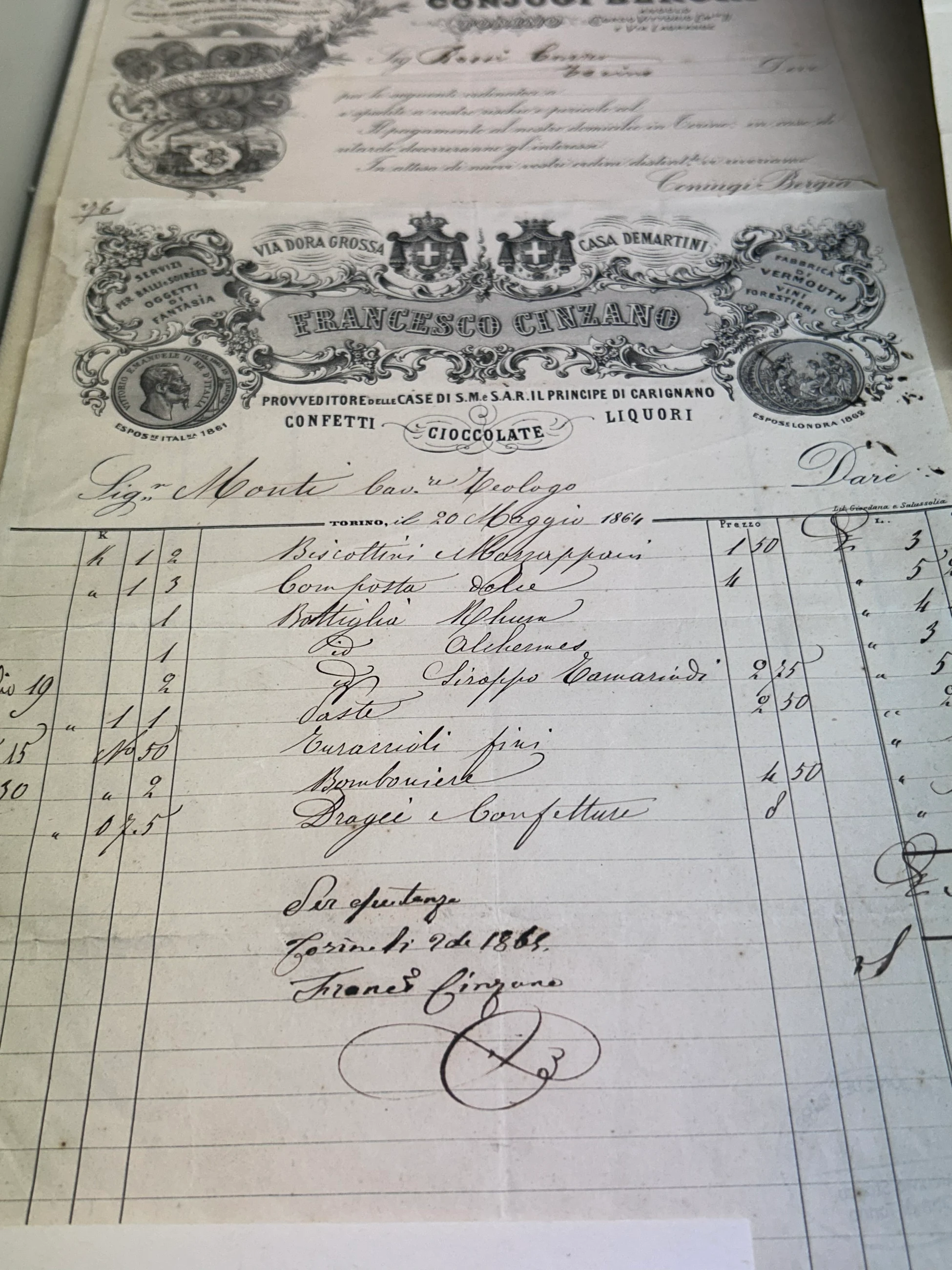
Edicts, accounts and plans held by Turin’s Historical City Archive show that markets, bread and meat were governed through health policy, taxes and urban planning. Such documents are historical evidence, not merely period illustrations.

The herb market, cholera and Porta Palazzo

Before Porta Palazzo, food sellers occupied central squares including piazza Palazzo di Città, formerly piazza delle Erbe, and piazza Corpus Domini. Following the 1835 cholera epidemic, an 1836 edict signed by Michele Benso di Cavour, father of Camillo, ordered the relocation of the herb and Corpus Domini markets to what is now piazza della Repubblica: the two should not be confused.
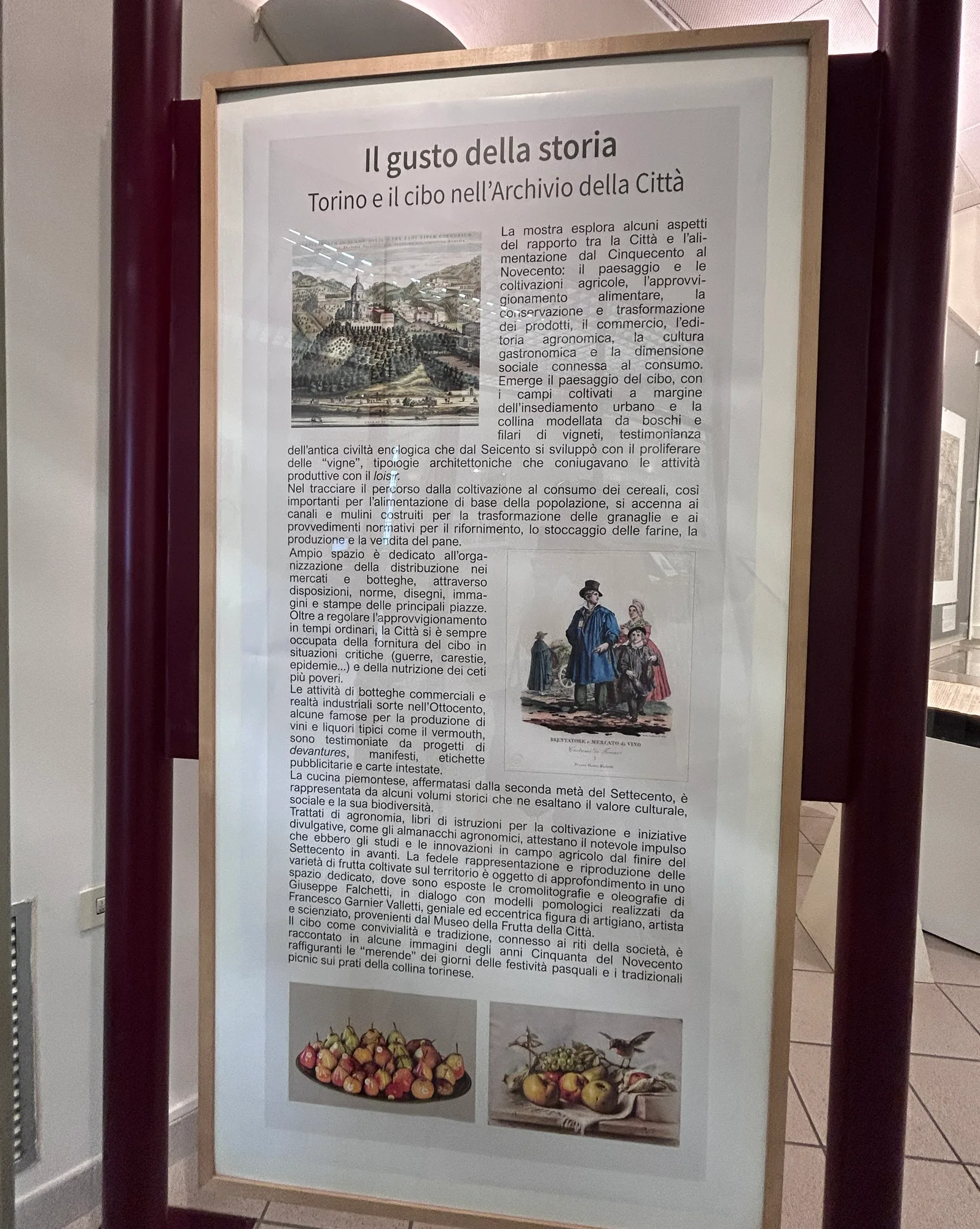
“Il gusto della storia” · Turin City Historical Archive
Turin City Archive · Il gusto della storia ↗

Milling and grain: bread as public accounting

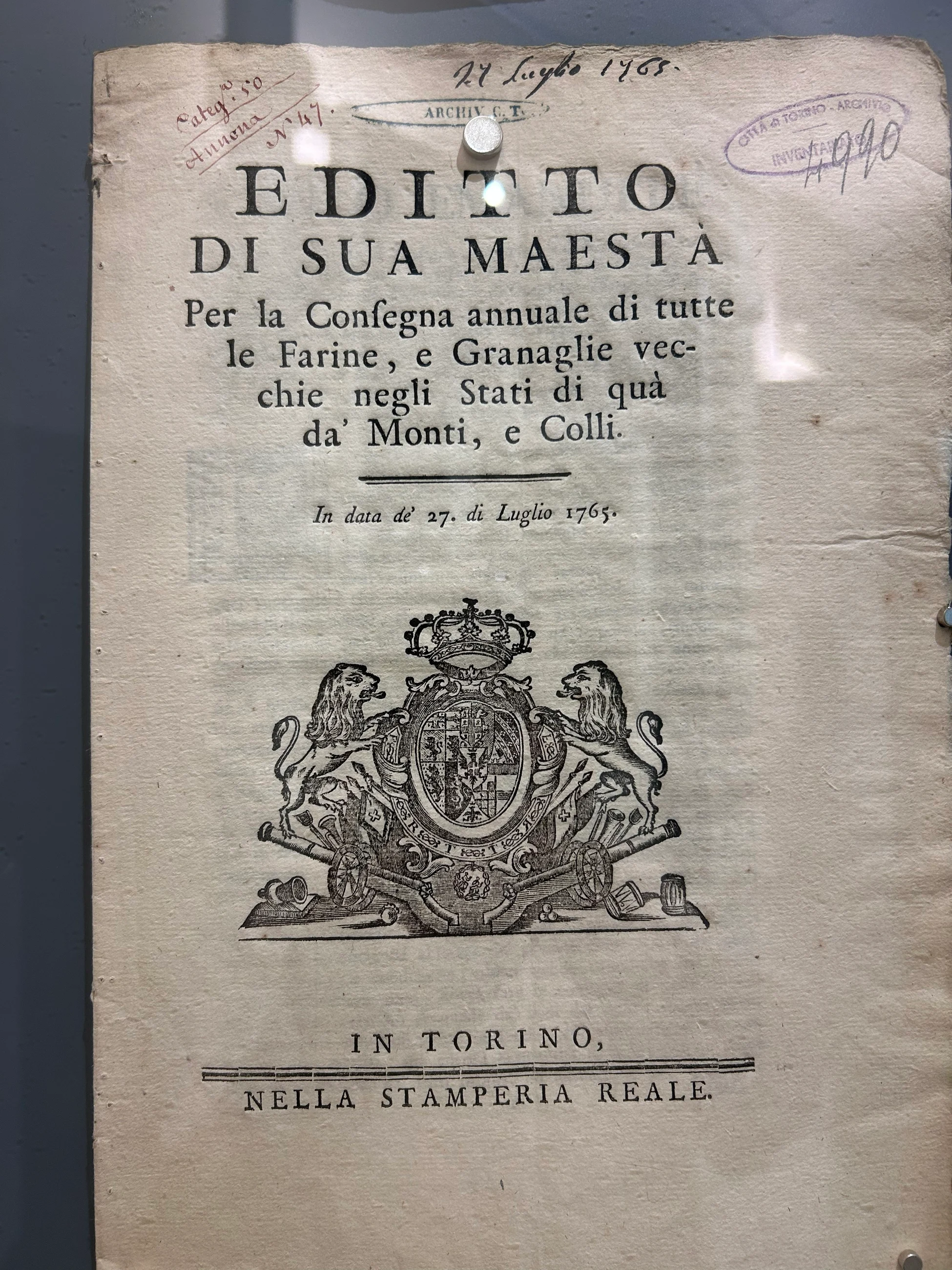
The municipal Dora mills, known as the Molassi, were a major productive site for centuries. Regulated use of these mills and a milling tax supported the city’s finances. Archival records describe deliveries of grain and other crops in 1771, 1773 and 1790. Daily bread depended on infrastructure and fiscal control as well as home baking.

Edict on flour and grain, 27 July 1765 · Turin City Historical Archive
Historical Archive · Mills and grain ↗

Slaughtering: hygiene and the nineteenth-century city

An 1840 description of Turin discusses the municipal slaughterhouses in Dora, Po and Monviso. Those at Dora and Po were built in 1826–1827 and opened in 1828. It describes water circulation, waste removal and ice stores. This is evidence of sanitary concerns, but does not identify any particular photographed decree.

Archival document exhibited at “Il gusto della storia”
Description of Turin · 1840 source ↗

From food regulations to healthier cooking

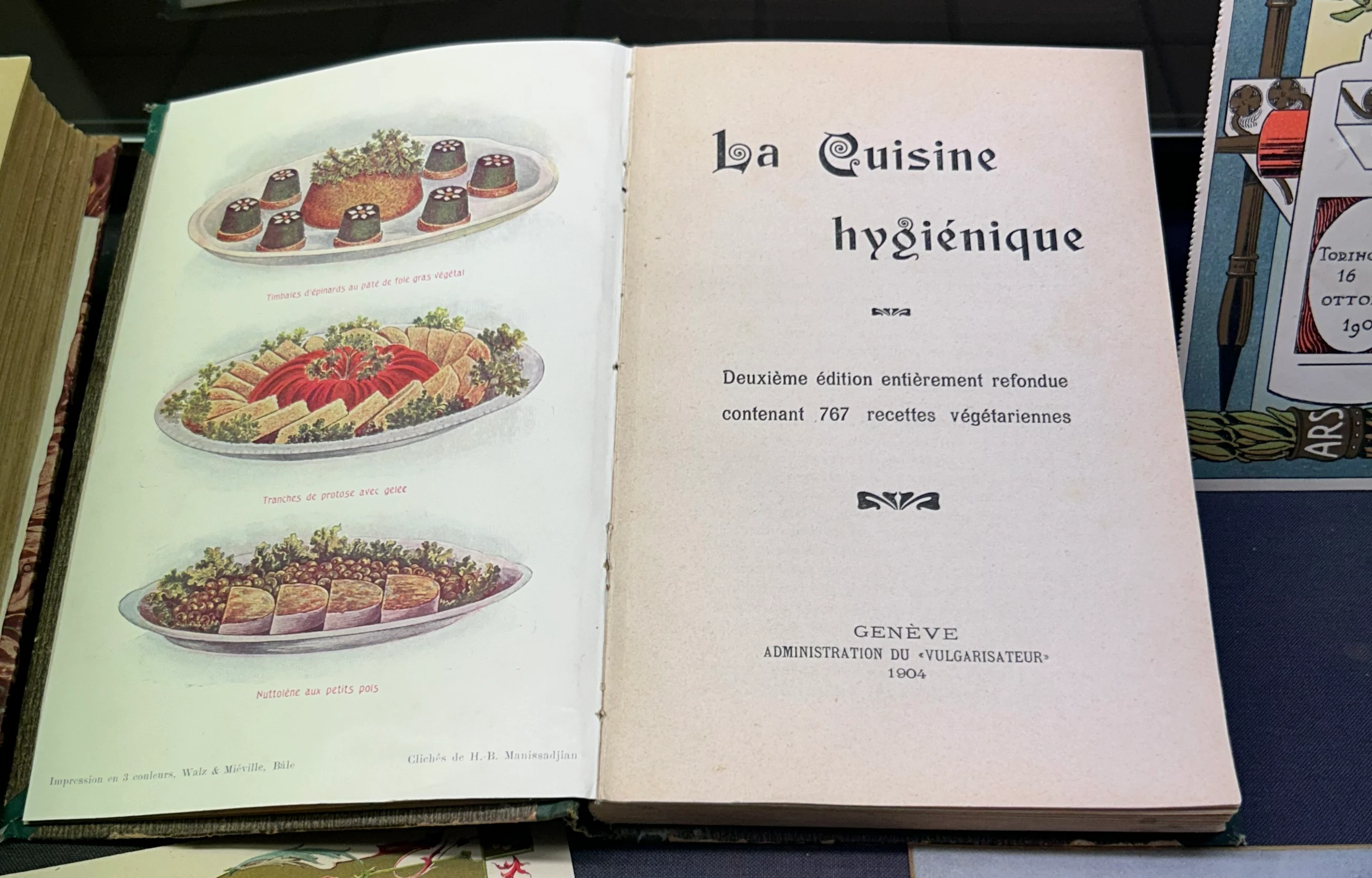
Rules governing food markets and slaughterhouses reflected concerns about public hygiene, the quality of goods and urban space. At the same time, cookbooks paid increasing attention to food preparation and health. The volume La Cuisinière hygiénique, photographed at the exhibition, offers a different perspective on this history: everyday cooking at home.

These documents and the book were photographed at “Il gusto della storia. Torino e il cibo nell’Archivio della Città”, on display until 31 December 2026 at Turin City Historical Archive, via Barbaroux 32. Free entry, Monday–Friday, 8:30 am–4:30 pm.

Exhibition details and hours on Turin’s official website ↗
“La Cuisinière hygiénique” · book photographed at the exhibition
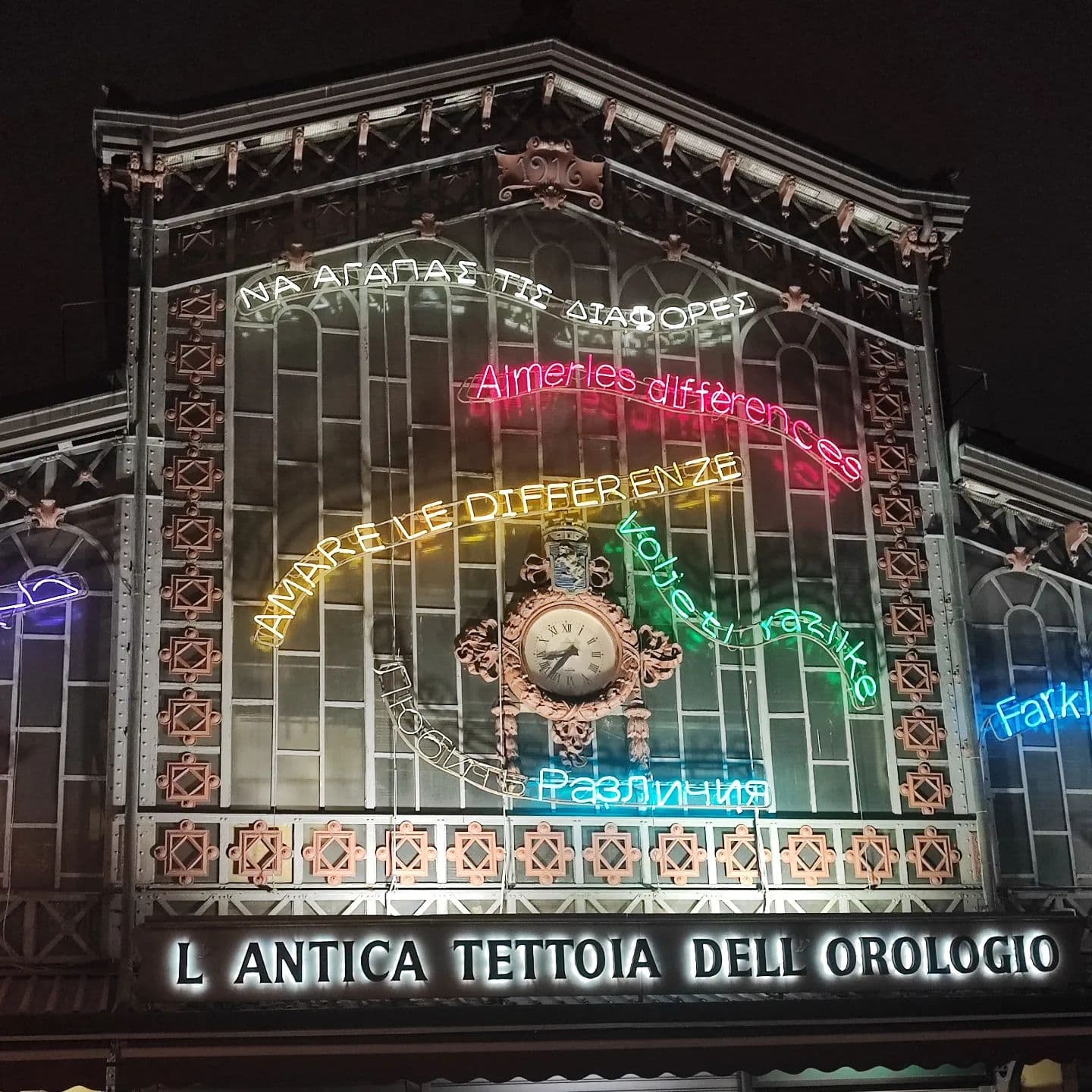
Tettoia dell’Orologio at Porta Palazzo, Turin
The Tettoia dell’OrologioOne of the most recognisable structures in Porta Palazzo’s market complex.
A PLACE THAT EXPLAINS TURIN

The market is an integral part of the city

Porta Palazzo is interesting for more than its size. History, immigration, food habits, seasonality and urban change can all be read here. Understanding Turin through food also means looking at sellers, shoppers and the changing landscape of its stalls.

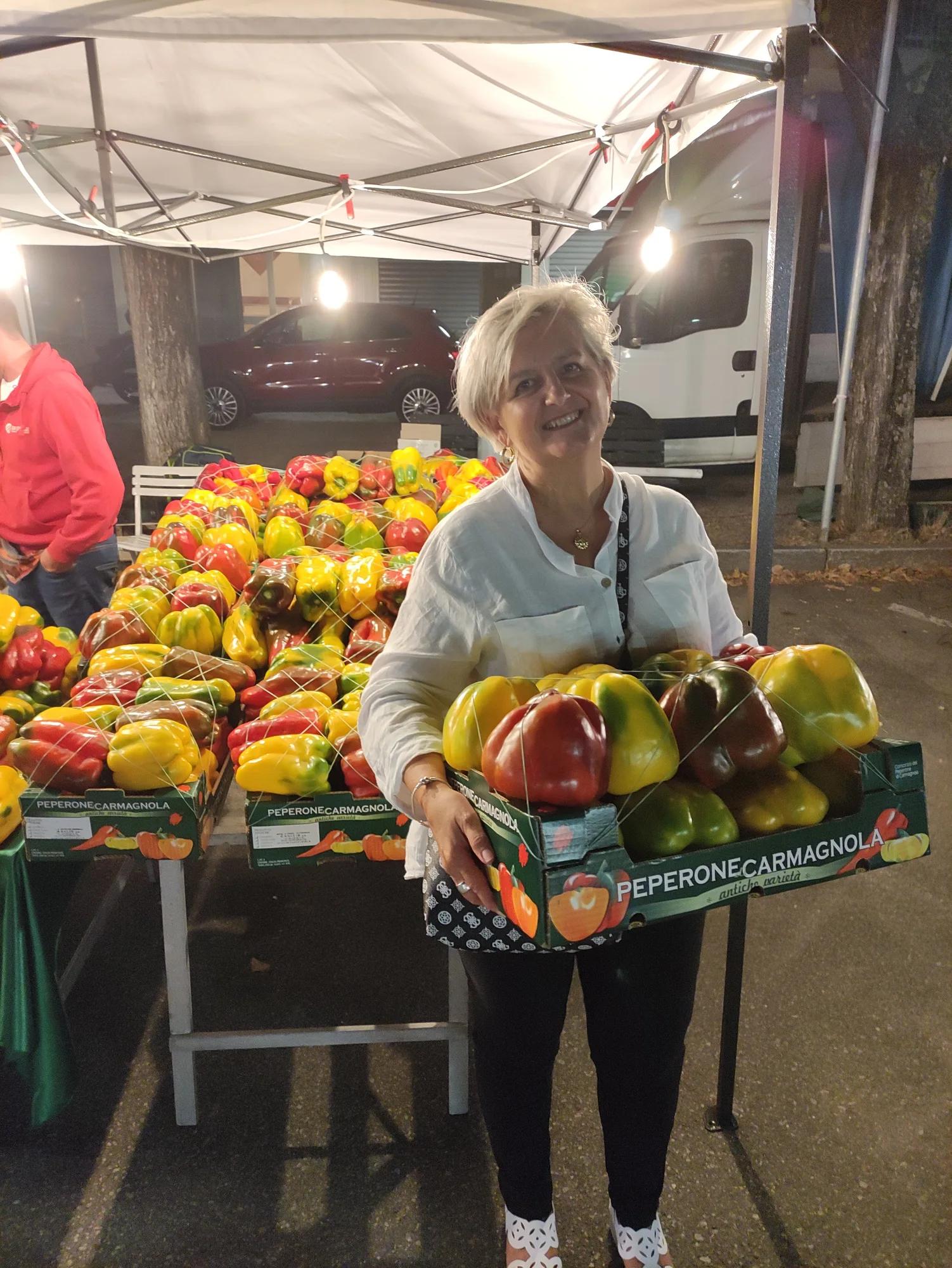
Luisa Delpiano Inversi with a Peperone di Carmagnola
FROM MARKET TO REGION

For me, markets are also a way to discover Piedmont

Visiting a market means meeting products, producers and seasons. The Peperone di Carmagnola, like so many Piedmontese products, gains a different meaning when you see it in its setting, talk to its growers and understand the work behind it.

This is the thread connecting city markets, agricultural fairs and direct sales: beyond buying food, recognising a region through what it produces.

FROM PRODUCER TO CONSUMER

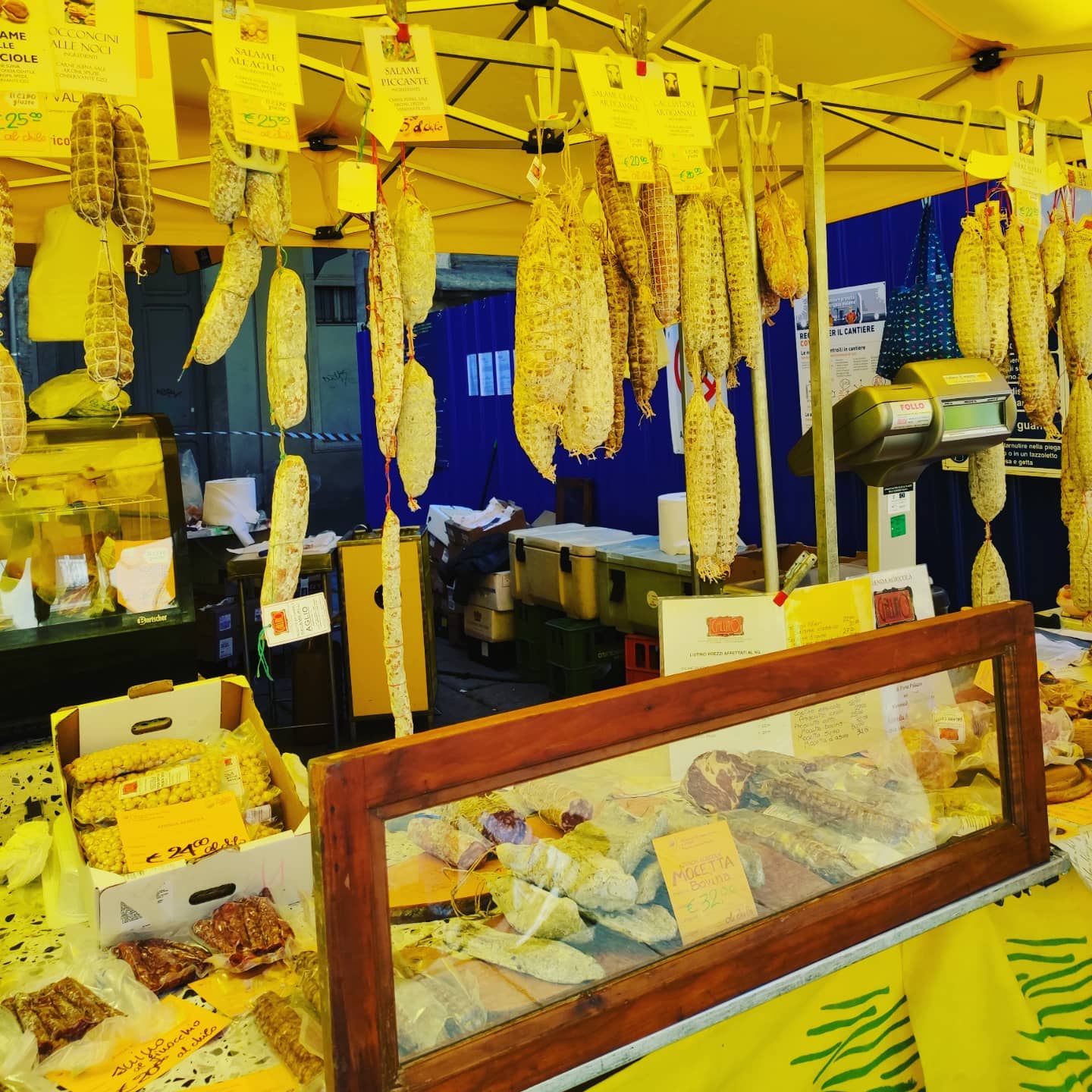
Campagna Amica and short supply chains in Turin

Campagna Amica markets, organised with Coldiretti, bring direct farm sales into the city. They connect seasonality, place, traceability and contact with producers. Events change over time, so always check the official calendar before visiting.

Campagna Amica market in Turin
Direct sales by agricultural producers.
First Sunday of the month

Oasi Prodotti Tipici

Piazza Palazzo di Città

Direct farm sales of fruit and vegetables, cheese, cured meats, honey, wine, flour, grains, bread and other local products.

Check the calendar and information ↗
Third Sunday of the month

Piazza Vittorio Veneto

Piazza Vittorio Veneto

A major direct-sales event with numerous producers and a wide range of farm produce and prepared specialities.

Check the calendar and information ↗
Wednesday afternoon

Corso Umbria

Corso Umbria

A weekly short supply chain market in a regenerated part of the city, bringing together farmers and food makers.

Check the calendar and information ↗
Listed by the City among agricultural producers’ markets

Via Mittone

Via Mittone

Another location for direct agricultural sales in the city. Check the official municipal calendar for current days and hours.

Check the calendar and information ↗
1933 · THE MOI

From market to large-scale logistics

The new wholesale fruit and vegetable market on via Giordano Bruno, the MOI, opened in 1933. Designed by Umberto Cuzzi, its large parabolic reinforced-concrete halls marked the transition from a traditional market to a modern infrastructure for receiving, sorting and wholesaling fresh produce.

This was a change of scale: beyond the square where residents shopped, an urban system organised the food flows of an industrial city.

Read about the MOI on MuseoTorino ↗
A MARKET WITHIN THE MARKET

The Tettoia dei Contadini at Porta Palazzo

Within Porta Palazzo, agricultural producers’ sales preserve a direct link between countryside and city. This longstanding model has renewed relevance: seasonality, identifiable origins and shorter supply chains.

Agricultural producers’ markets ↗
TURIN’S MARKETS TODAY

More food markets to discover

A selection of neighbourhood markets, with links to information from the City of Turin.

For opening days, hours and updates, consult Turin’s official market directory.

SOURCES AND FURTHER READING

Explore further

Historical Archives of the City of Turin · Il gusto della storia ↗City of Turin · Market directory ↗City of Turin · Porta Palazzo ↗Campagna Amica · Short supply chain markets ↗