Art Nouveau in Turin: when the city embraced modernity
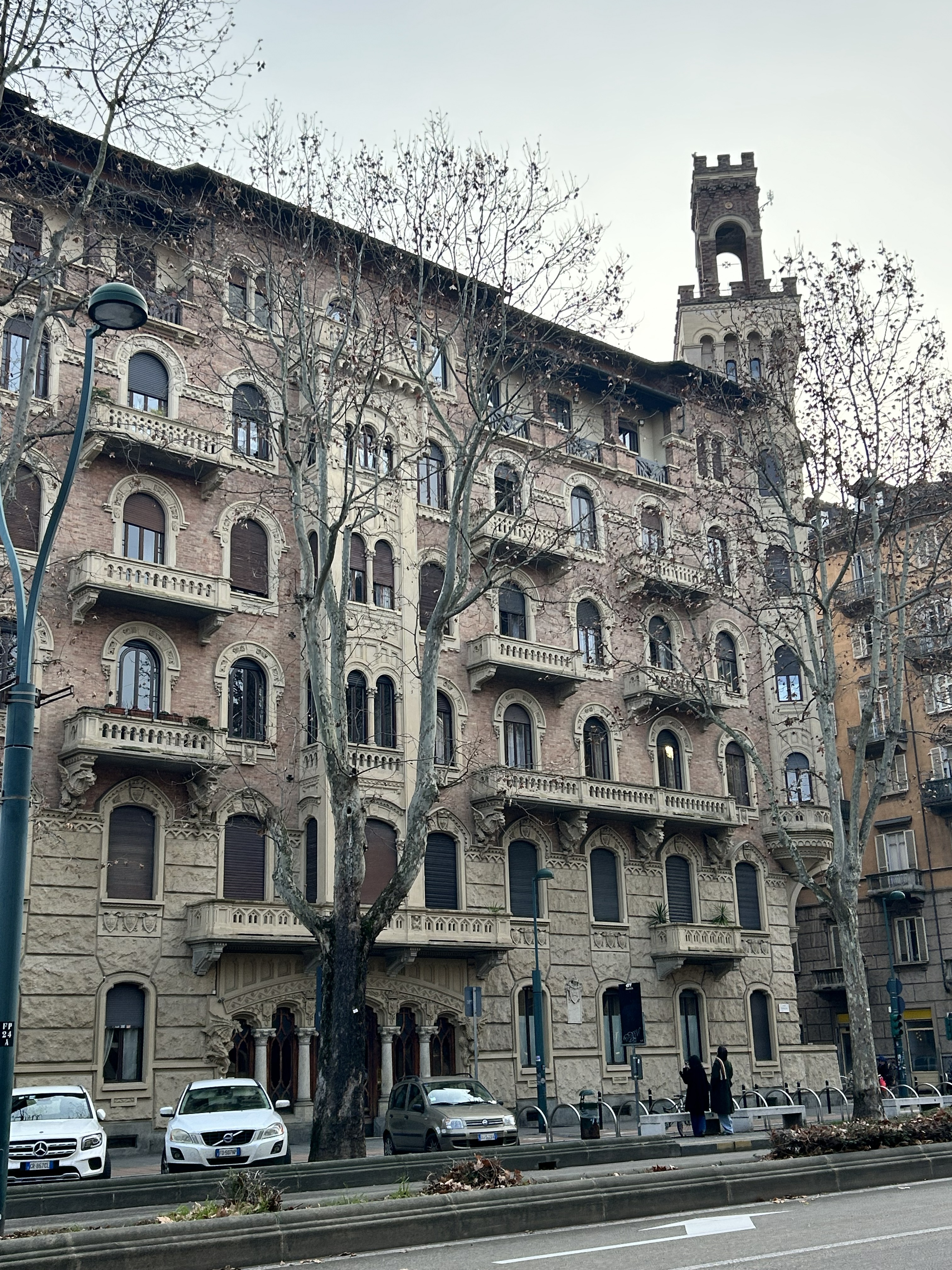
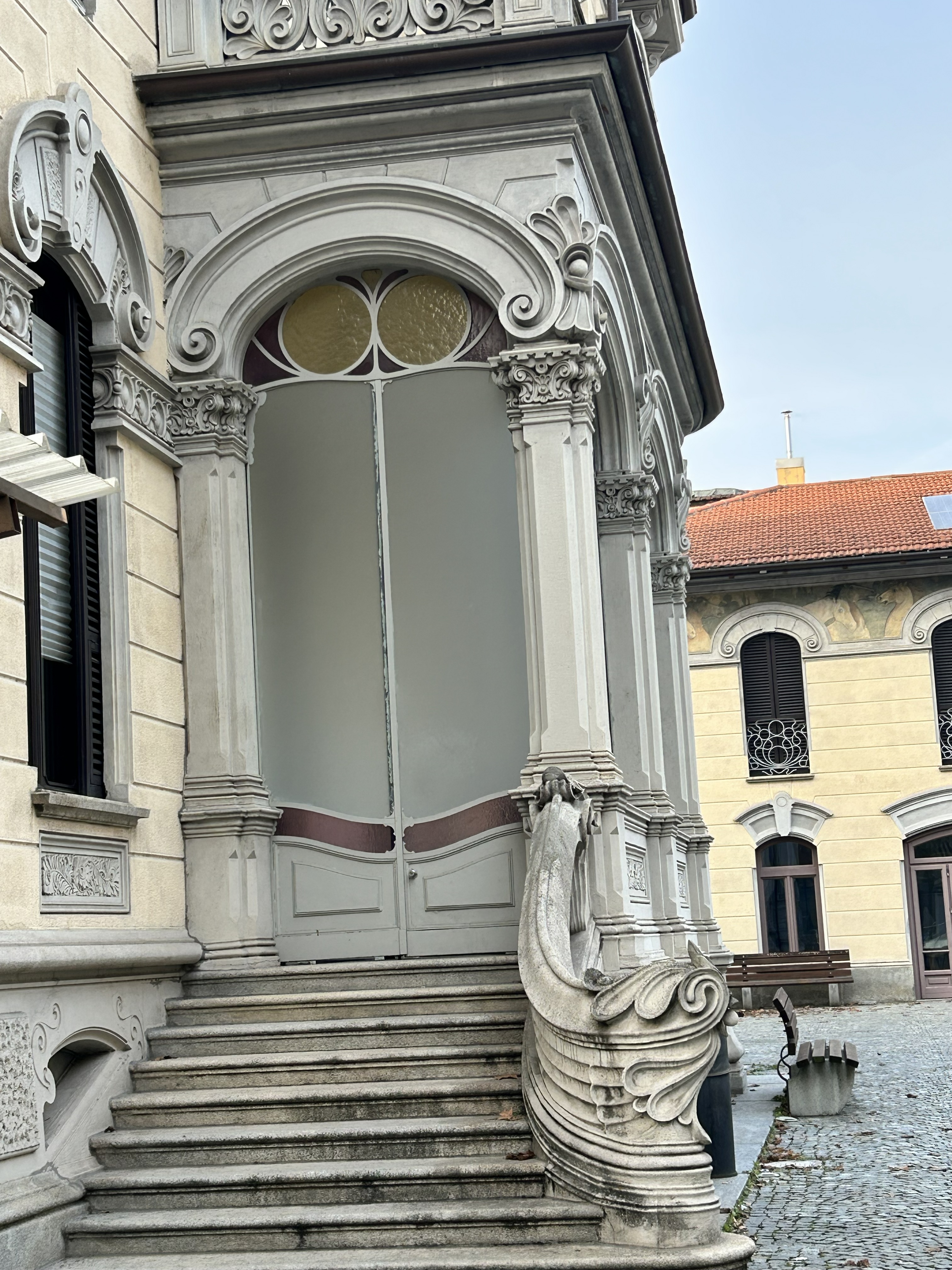
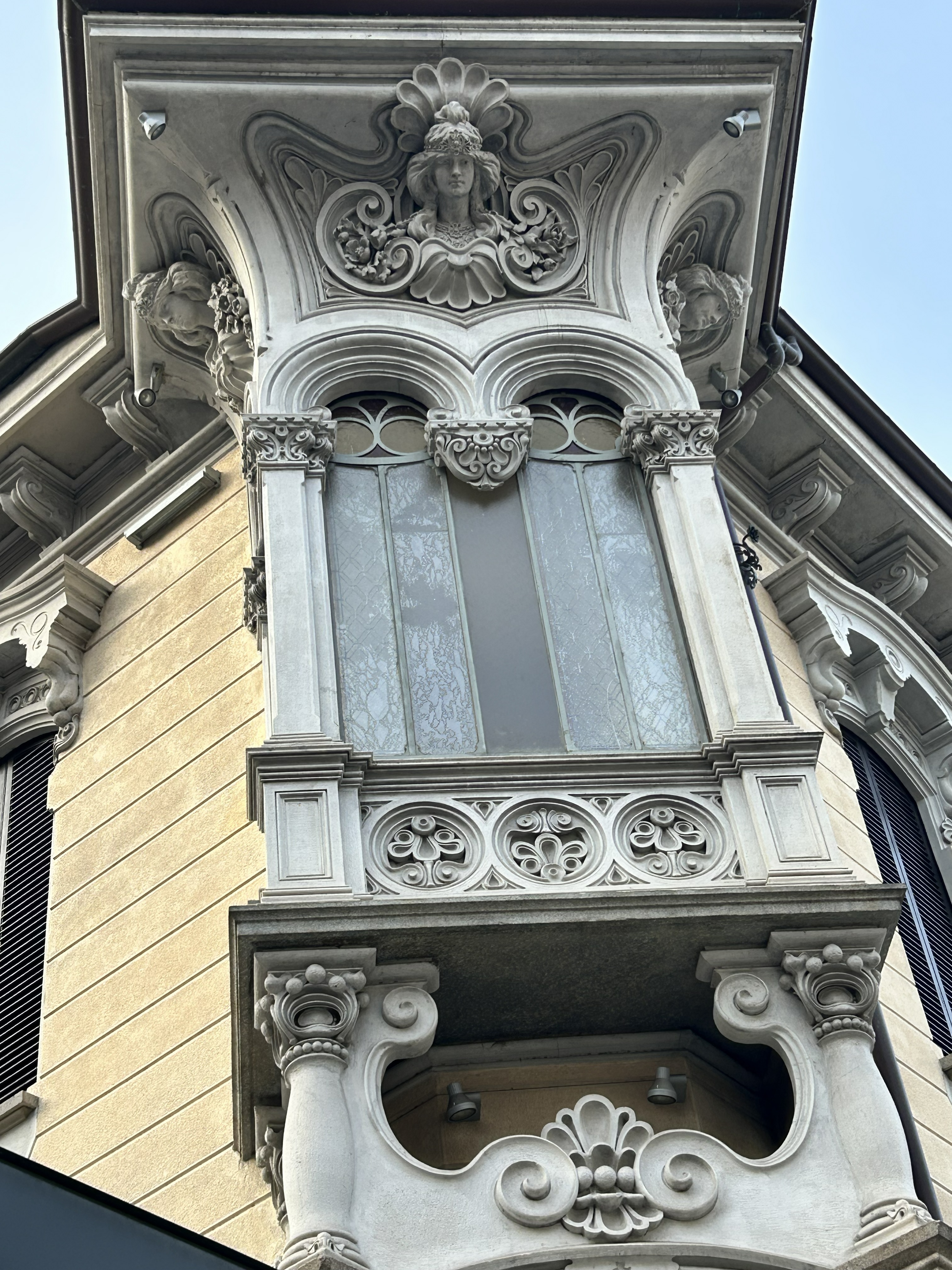
Between the late nineteenth century and the early twentieth, Turin changed rapidly. The industrial, bourgeois city looked to European Art Nouveau and developed its own architectural language of wrought iron, floral lines, bow windows, ceramics and expressive façades.
1902
1902: the exhibition that changed taste
The 1902 International Exhibition of Modern Decorative Art is the symbolic turning point. Turin became one of the Italian cities most receptive to the new decorative arts, and Art Nouveau quickly entered middle-class residential architecture.
Art Nouveau architectureArt Nouveau detailFENOGLIO
Pietro Fenoglio, the key figure
Turin-born engineer and architect Pietro Fenoglio was one of the leading figures of the local movement. Casa Fenoglio-Lafleur, designed in 1902 at via Principi d’Acaja 11, became one of the best-known symbols of Turin Art Nouveau.
A route to explore on foot
Turin’s Art Nouveau is especially visible in Cit Turin, corso Francia, via Cibrario and via Piffetti. Around Casa Fenoglio-Lafleur, visitors encounter Villino Raby and many buildings where the new style mixes with eclectic traditions and technical experimentation.
Art Nouveau balcony
More than decoration
Turin Art Nouveau is not simply a collection of floral ornament and wrought iron. It is the architectural expression of a growing industrial city and of a new bourgeoisie eager to communicate modernity and status.
CIT TURIN · CORSO FRANCIA
Art Nouveau walking route
A compact route through Cit Turin, between Piazza Bernini and the first stretch of corso Francia, where many of Turin’s Art Nouveau landmarks are concentrated.