Meat in Piedmontese culinary tradition
Five regional specialities tell stories of shared meals, butchers, rural life and the ingenuity of traditional cooking.
Gran Bollito Misto
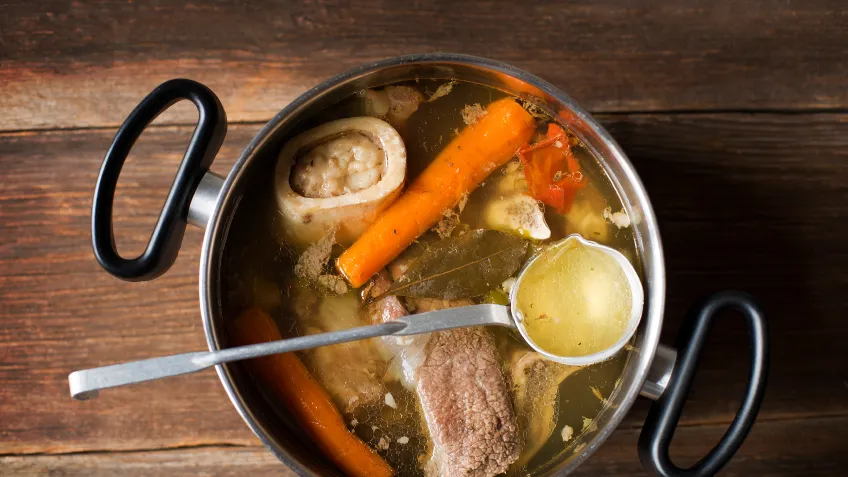
Bollito misto brings together several cuts of meat, carefully simmered and served with sauces and side dishes. Different textures and the way the meal is presented are central to the experience.
The famous repertoire of seven main cuts and seven additional ones represents an elaborate ceremonial version. Home cooks often prepare a smaller selection, accompanied by bagnet verd and bagnet ross.
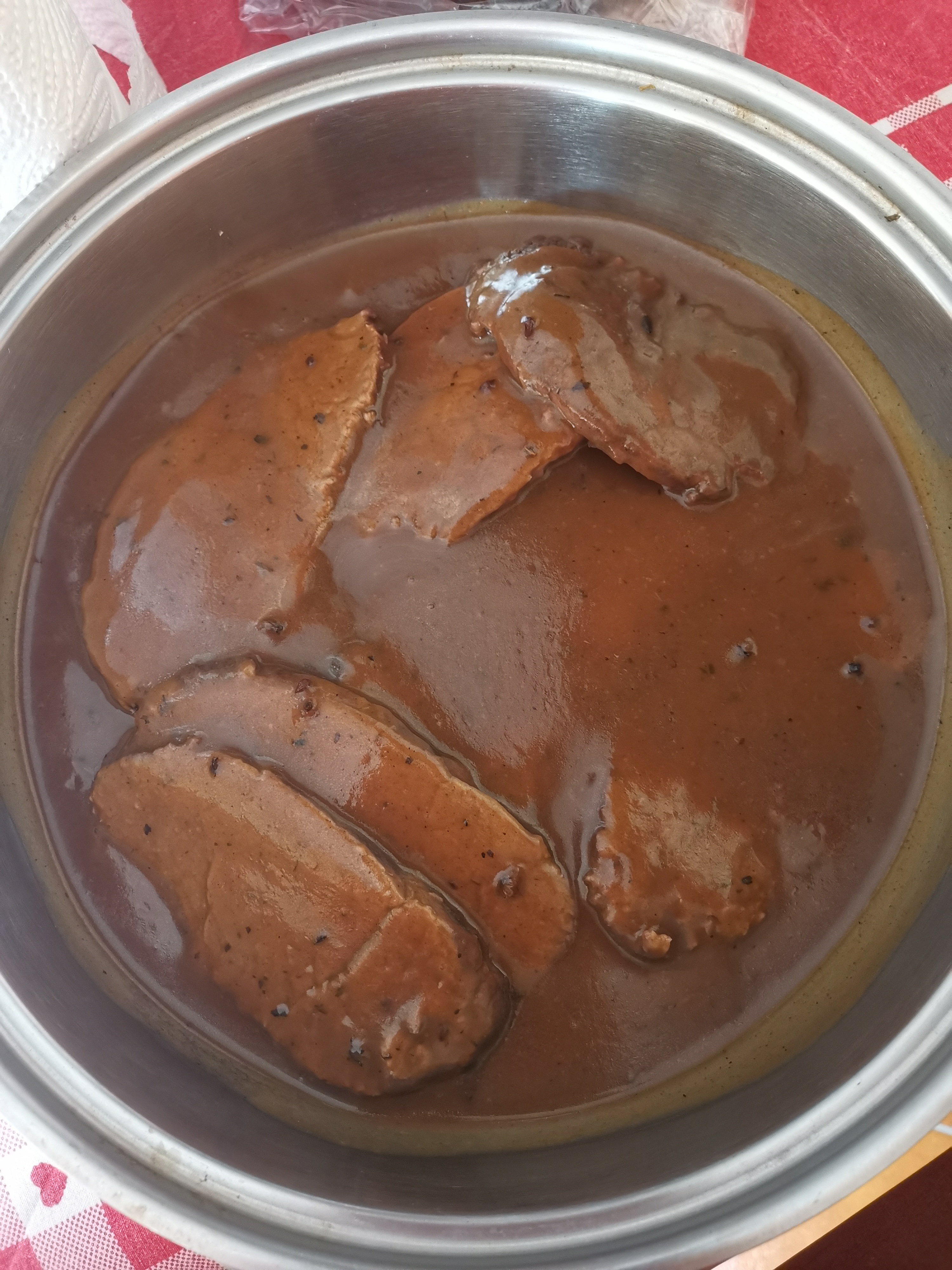
Brasato al Barolo
Brasato al Barolo unites two aspects of Piedmontese heritage: cattle farming and the wines of the Langhe. A suitable cut of beef is browned, then slowly braised with wine, vegetables and herbs.
Some recipes involve marinating the meat, others do not. The essential technique is low, moist heat. If a dish is described as “al Barolo”, Barolo is the wine that should be used.
Finanziera
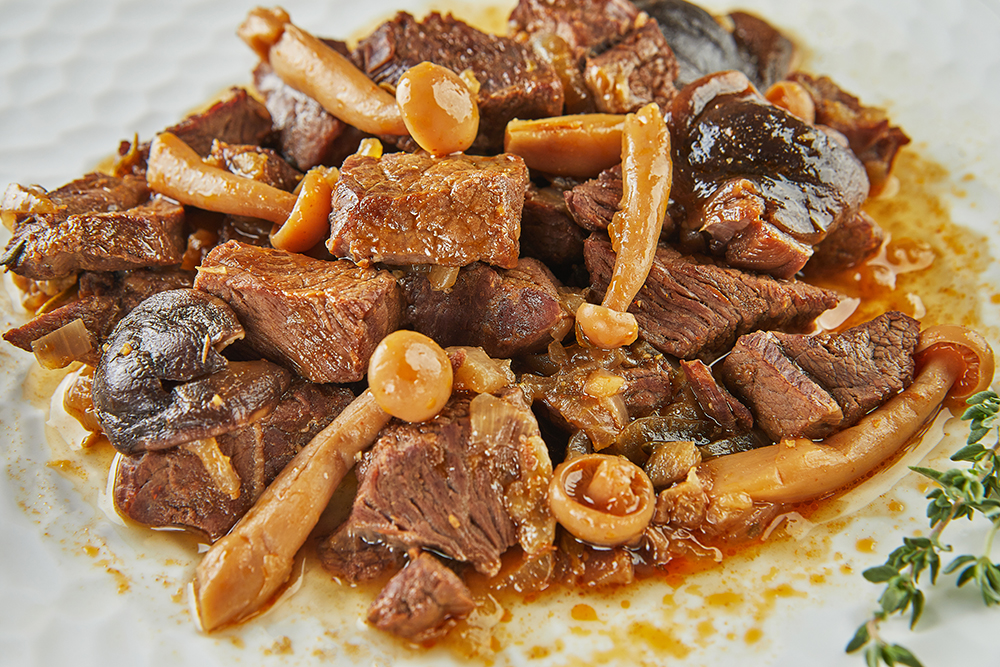
Sweetbreads, livers, cockscombs and other offal appear in different versions of finanziera. It demonstrates how lesser-used parts of the animal became the basis of an elaborate dish.
Related preparations known as “à la financière” appear in French nineteenth-century cooking. Similarities should not be presented as proof of a single undisputed origin.
Tripa ’d Muncalè
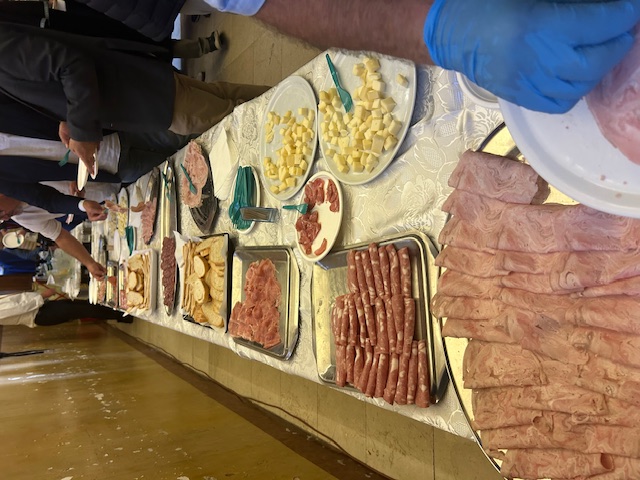
In Moncalieri, tripe is not always a stew. Tripa ’d Muncalè consists of cooked, seasoned tripe formed into a sausage-like speciality, usually served sliced.
Its dialect name preserves a local craft. Visitors should not confuse it with either a conventional meat salami or tripe soup.
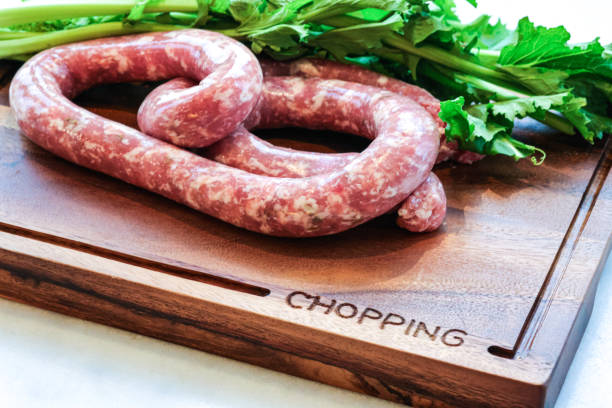
Salsiccia di Bra
Bra sausage is rooted in the region’s butchery traditions and has a significant beef component. Its origins are often linked in local accounts to the Jewish community of Cherasco, though inherited stories and documented facts must be distinguished.
Today’s protected recipe also includes pork fat, so it is inaccurate to describe the modern product as entirely beef. It may be eaten raw where appropriate food-safety guidance is followed.