TURIN · FAITH · ARCHITECTURE · DEVOTION

Churches, the Shroud and Turin’s social saints

Religious Turin is not told only through domes, basilicas and chapels. The city also shaped its identity through devotion, organised charity and an extraordinary nineteenth-century generation devoted to young people, the poor, the sick, prisoners and workers.

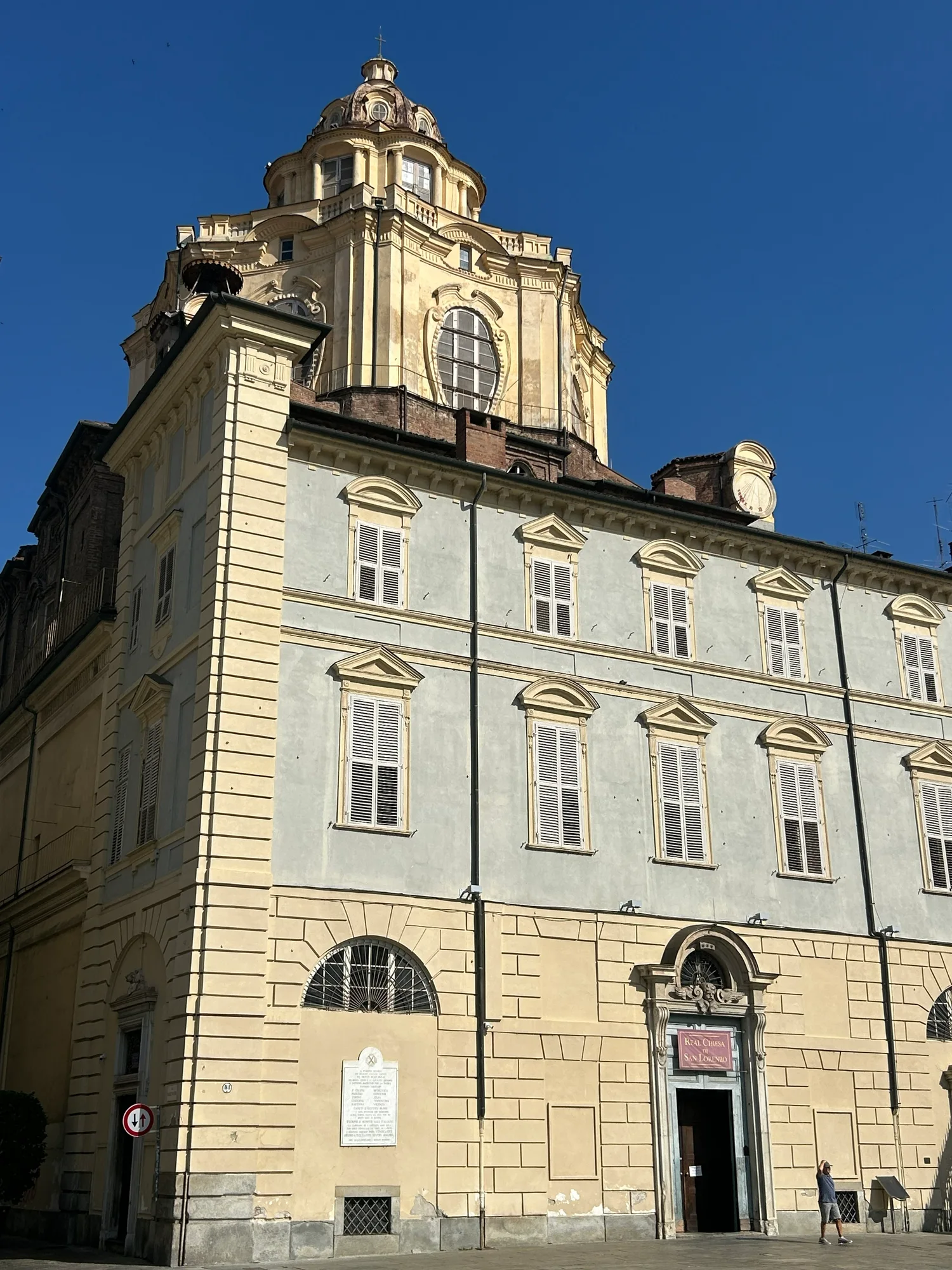
Royal Church of San Lorenzo in Turin
The Church of San Lorenzo, a Baroque masterpiece by Guarino Guarini in central Turin.
ST JOHN THE BAPTIST · HISTORIC CENTRE

The Cathedral and the Shroud

Turin Cathedral, dedicated to Saint John the Baptist and built between 1491 and 1498, is the main religious building in the historic centre. Since 1578 the city has been closely linked to the Shroud, transferred from Chambéry by Duke Emmanuel Philibert of Savoy.

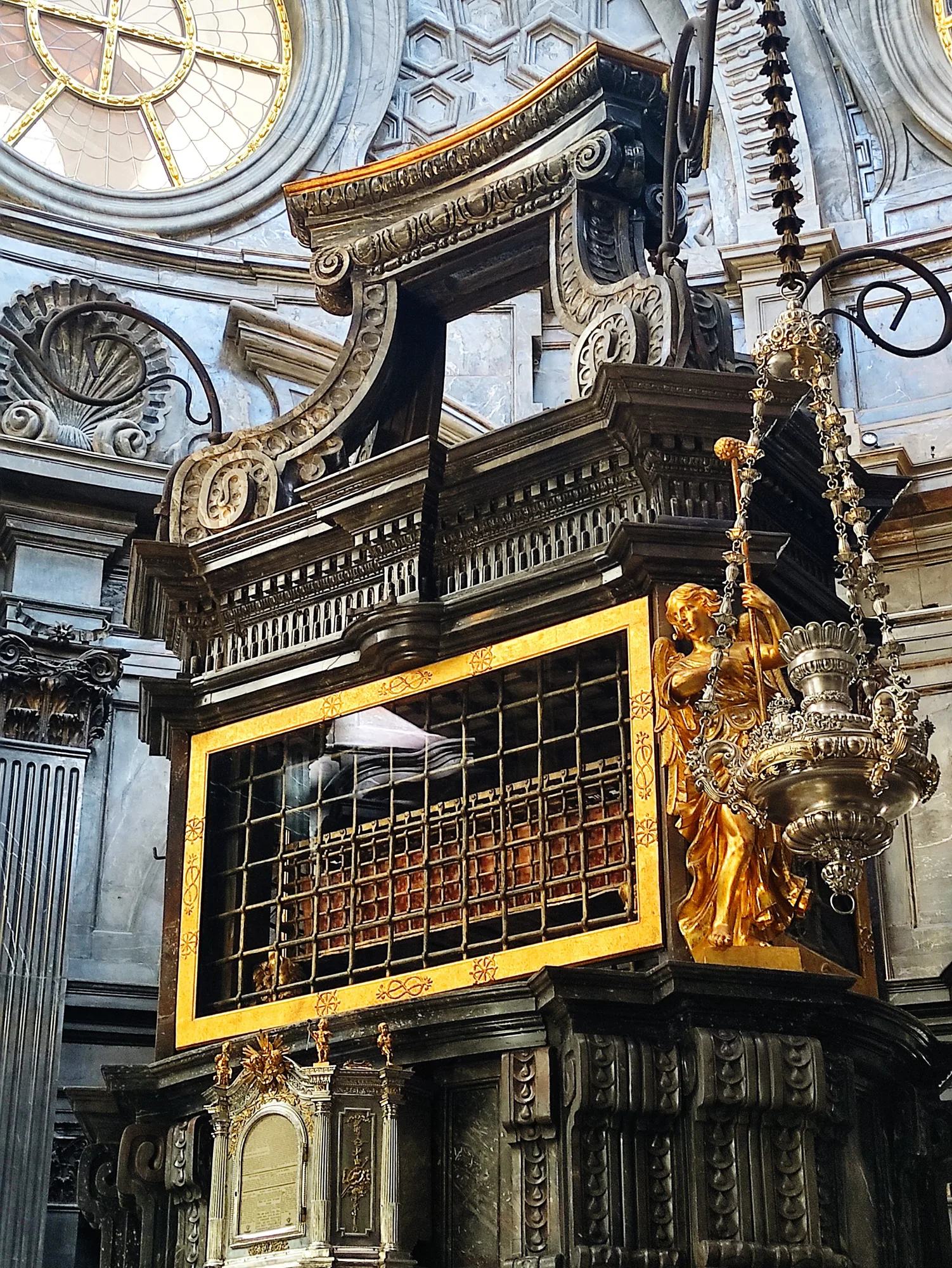
Today the Shroud is kept inside the Cathedral, in the last chapel of the left aisle beneath the Royal Tribune. It is not normally visible. Beside the Cathedral, Guarino Guarini’s Chapel of the Shroud remains one of the great achievements of European Baroque architecture.

Turin Cathedral · official source ↗
The Shroud of Turin
The Shroud is kept in the Cathedral but is not normally on view.
PIAZZA DELLA CONSOLATA

The Consolata: devotion at the heart of the city

The Sanctuary of the Consolata is one of Turin’s most important spiritual sites. Its present form is especially linked to Guarino Guarini’s 1678 project and later transformations.

The Virgin is venerated here as Mary, Consoler of the Afflicted (Consolatrix Afflictorum), also invoked as the Immaculate Mary, Consoler of the Afflicted. Together with Saint John the Baptist, the Consolata is considered a co-patron saint of Turin. Her feast on 20 June is deeply rooted in the city’s identity. The sanctuary also helps tell the story of Turin’s “social saints”, notably Saint Joseph Cafasso and the religious and charitable initiatives of the nineteenth century.
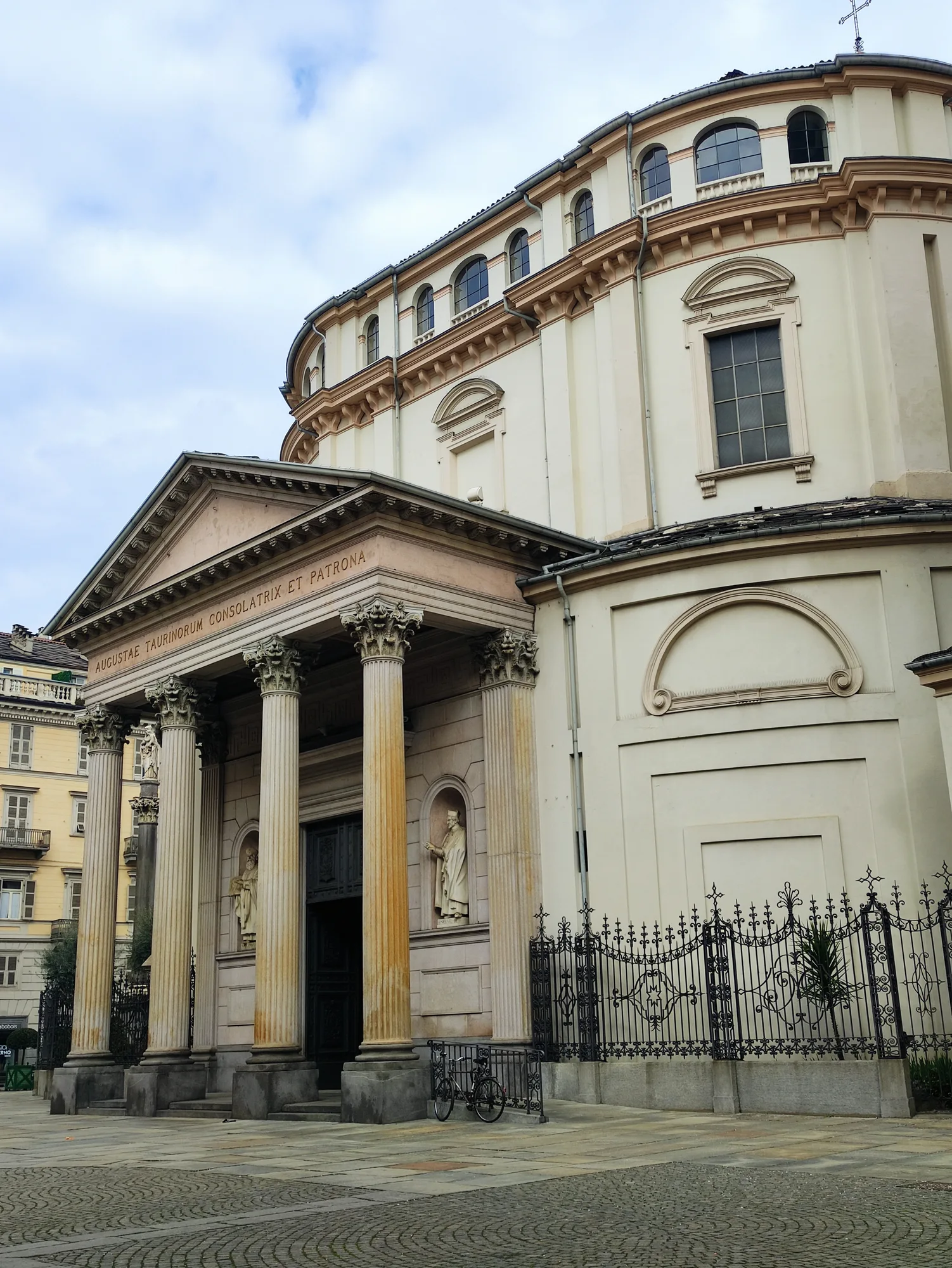
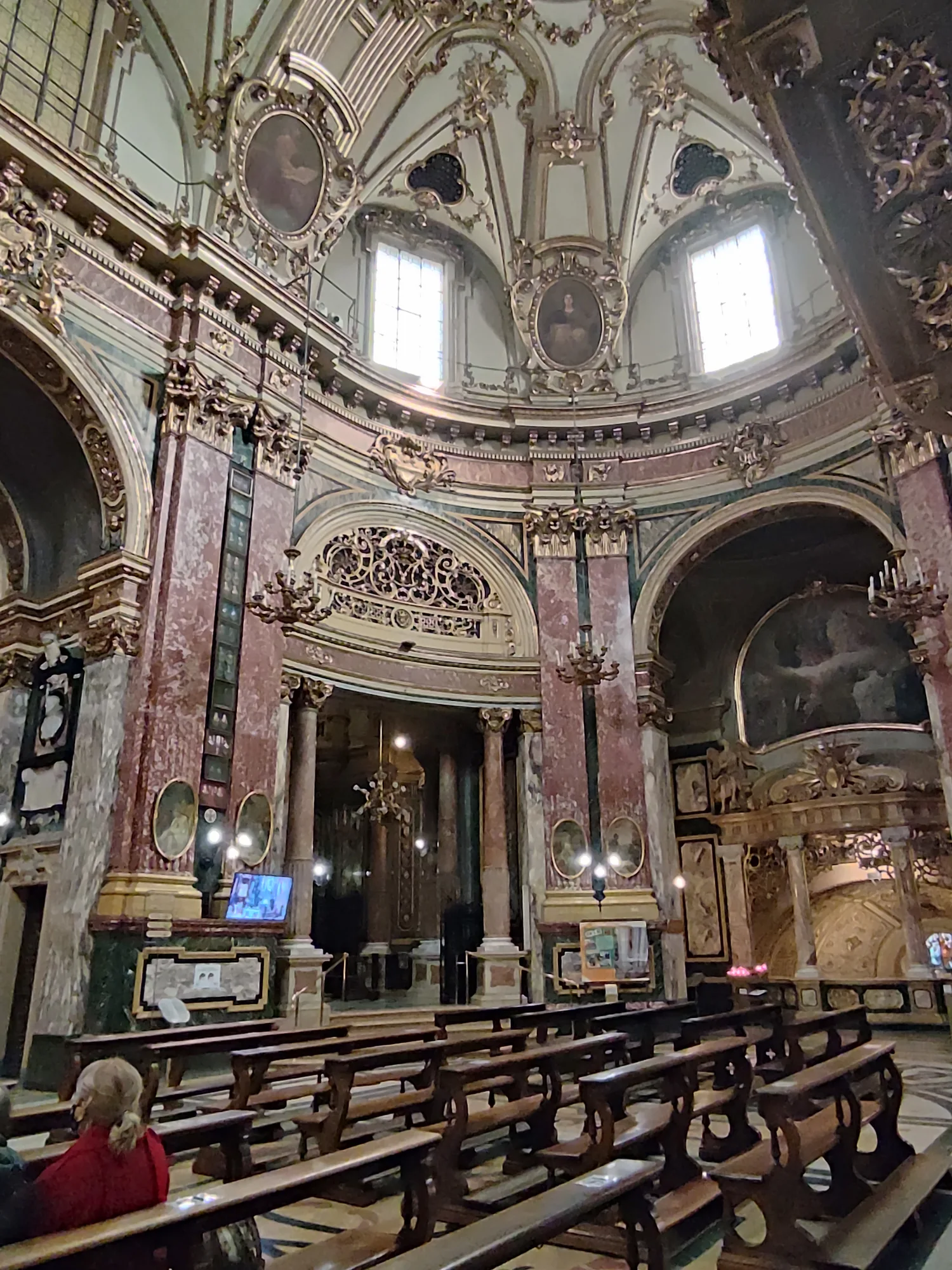
MuseoTorino · Consolata ↗
TURIN HILLS

Superga: faith, dynasty and landscape

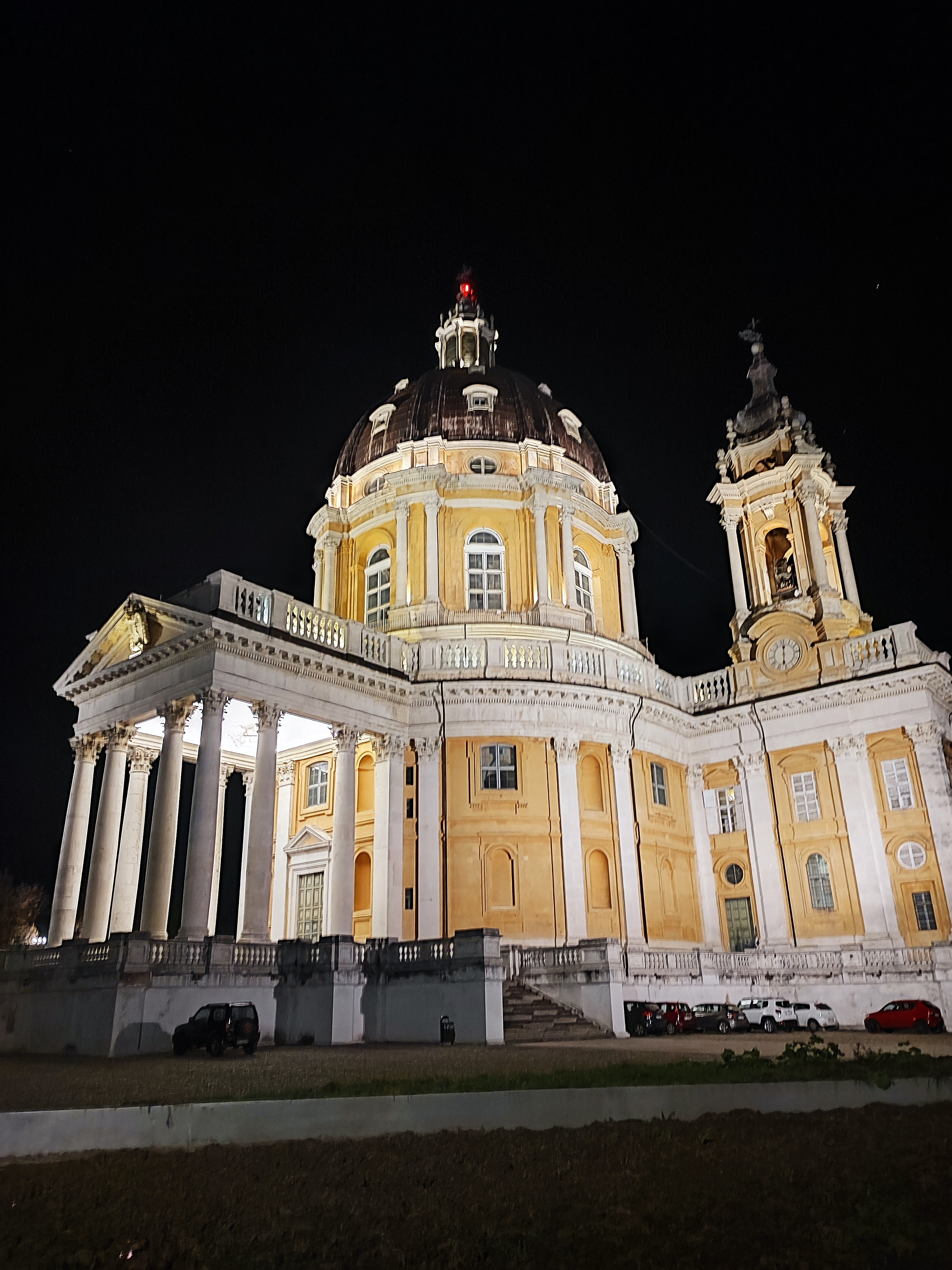
The Basilica of Superga was born from a vow made by Victor Amadeus II in 1706 during the Franco-Spanish siege of Turin: if the city were freed, he would build a sanctuary dedicated to the Virgin on the hill. Designed by Filippo Juvarra, begun in 1717 and inaugurated in 1731, it houses the tombs of many members of the House of Savoy in its crypts. It is at once a place of worship, a monument to victory and a dynastic memorial.

Basilica of Superga
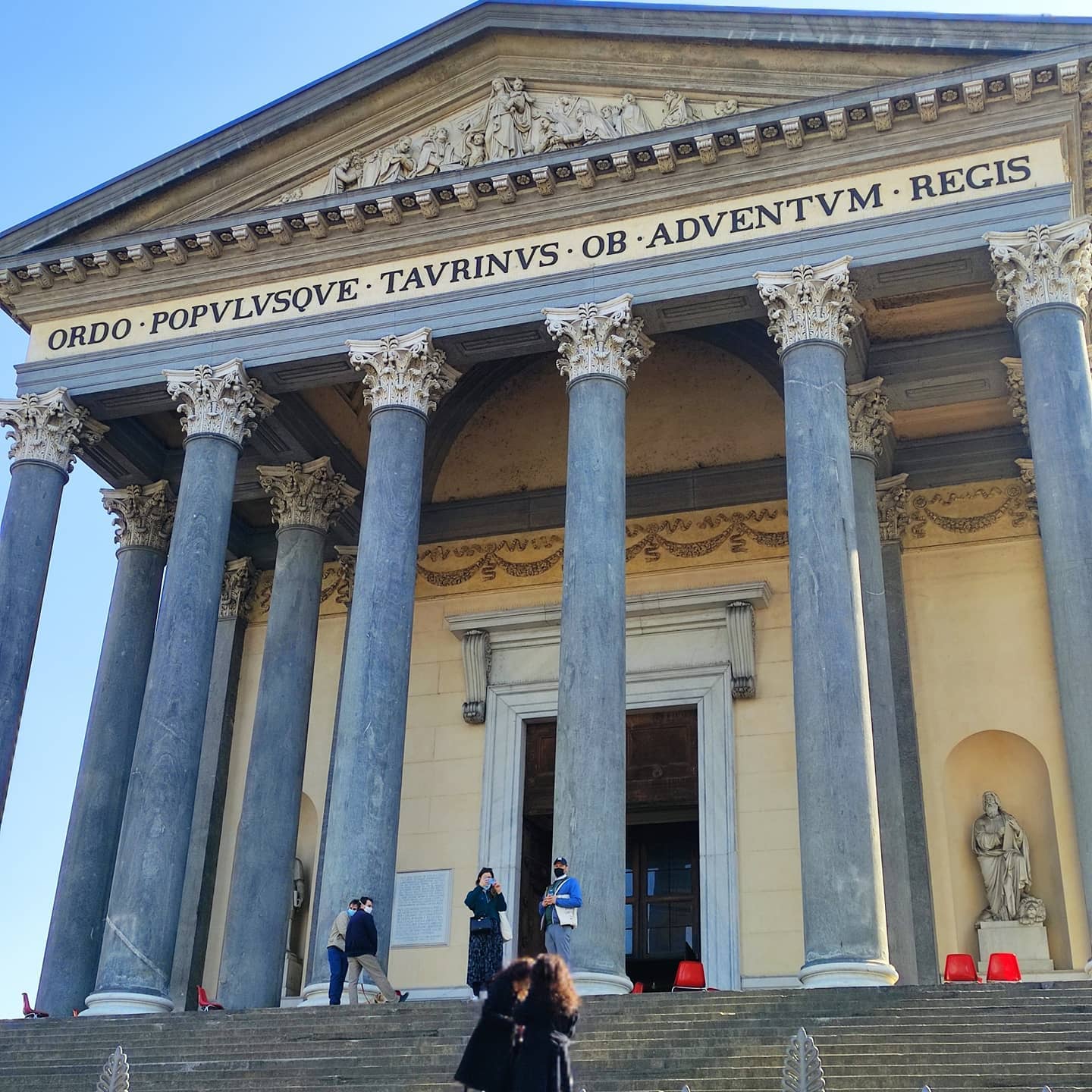
Gran Madre di Dio church in Turin
Gran Madre di Dio in Turin
PIAZZA GRAN MADRE DI DIO

Gran Madre di Dio and the Savoy restoration

Facing the Po and Piazza Vittorio Veneto, Gran Madre di Dio was commissioned to commemorate the return of King Victor Emmanuel I to Turin in 1814 following the Napoleonic occupation. Inspired by the Pantheon in Rome and designed by Ferdinando Bonsignore, it was built between 1818 and 1831.

MuseoTorino ↗
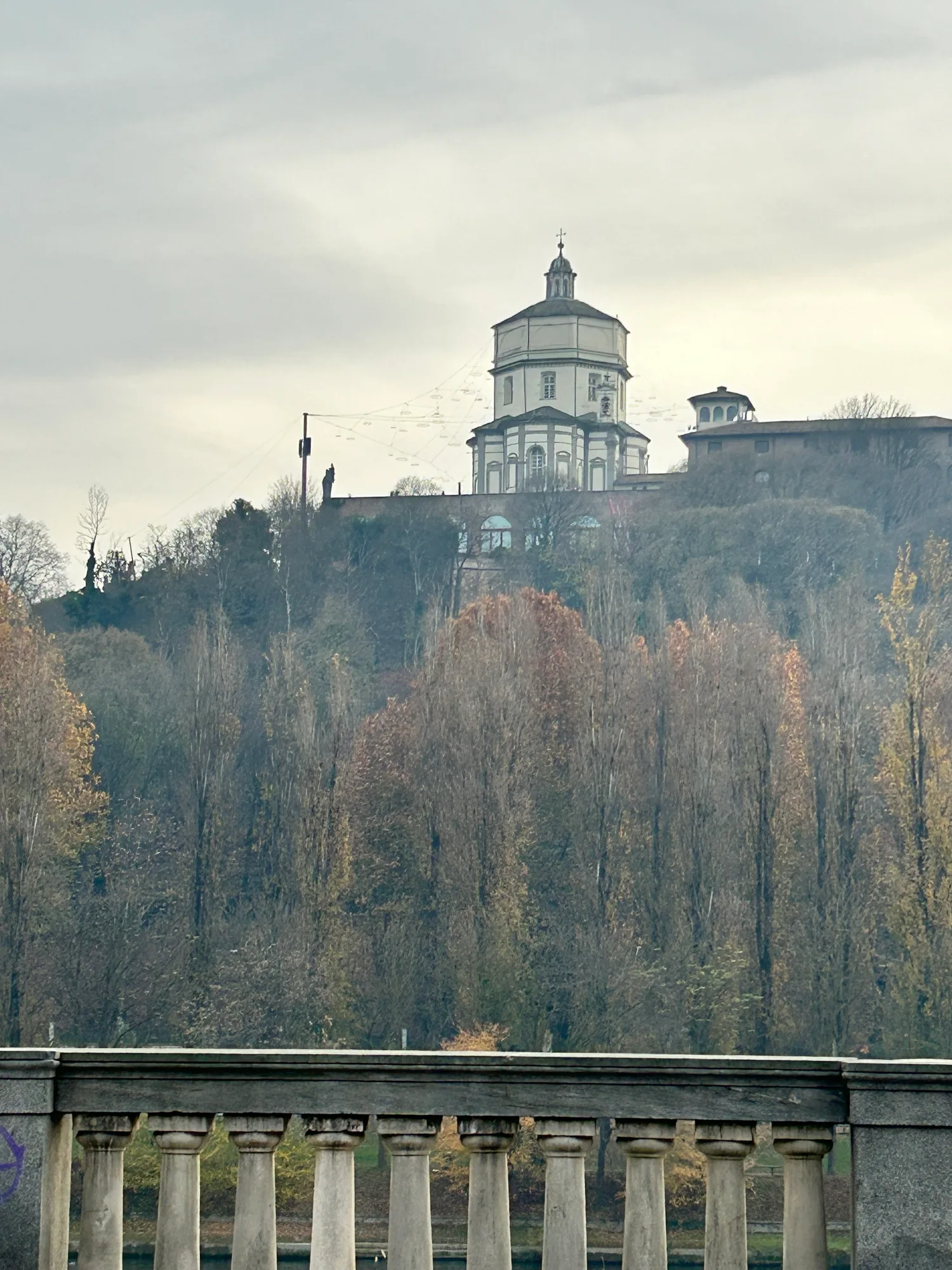
Monte dei Cappuccini in Turin
Monte dei Cappuccini and the National Mountain Museum
MONTE DEI CAPPUCCINI

Monte dei Cappuccini and the Mountain Museum

Overlooking the Po, Monte dei Cappuccini is home to the church of Santa Maria al Monte. Next to the church and former convent stands the National Mountain Museum “Duca degli Abruzzi”, founded in 1874 within the Italian Alpine Club milieu. It tells the story of Turin’s enduring relationship with the Alps and mountaineering.

National Mountain Museum ↗
19TH CENTURY · CHARITY · EDUCATION · WORK

Turin and the social saints

As Turin expanded during the nineteenth century, poverty, youth abandonment, unstable work and new forms of urban marginality became increasingly visible. A remarkable group of priests, religious figures and lay people responded through education, care and organised charity. Local historiography remembers many of them as Turin’s “social saints”.

In nineteenth-century Turin, urban growth and early industrial activity created new needs for education, care and shelter. Don Bosco worked with young people in Valdocco, with Mary Help of Christians at the heart of the Salesian community; Dominic Savio became one of its young figures. Joseph Cafasso cared for prisoners, Joseph Benedict Cottolengo founded the Little House of Divine Providence, Leonard Murialdo supported the education of young workers, and Joseph Allamano developed missionary work connected with the Consolata. Their different initiatives offered practical responses to the city’s social challenges.

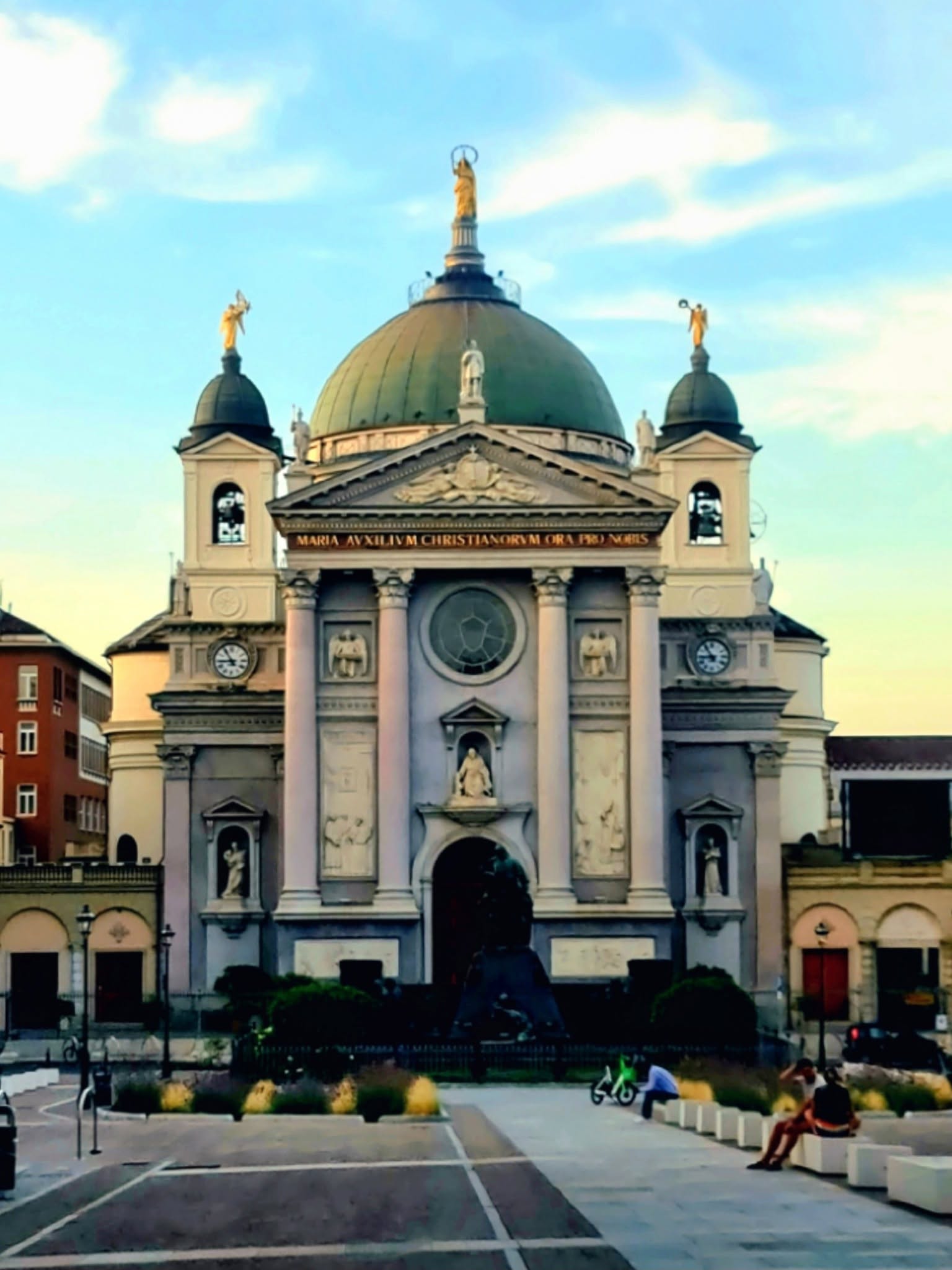
Basilica of Mary Help of Christians in Turin
The Basilica of Mary Help of Christians in Valdocco.
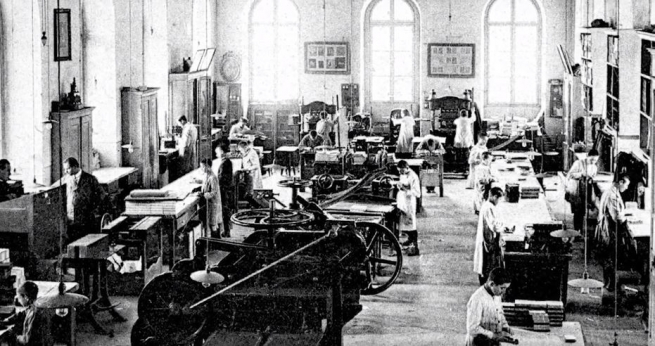
Valdocco printing workshop associated with Don Bosco
The Valdocco printing workshop: vocational training and work in nineteenth-century Turin.
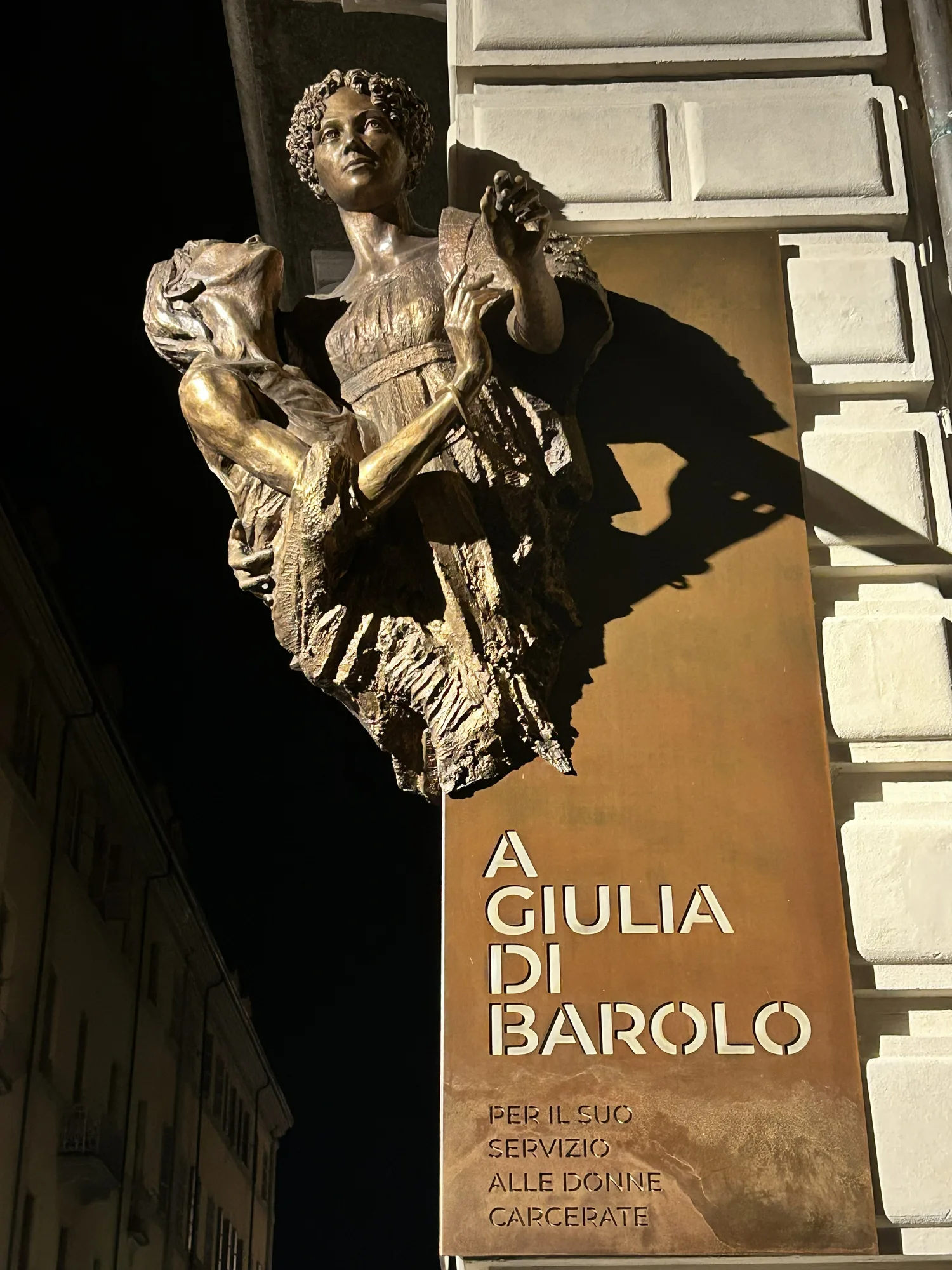
Giulia di Barolo and her work for women and people in need.
A FIGURE OF TURIN’S SOCIAL HISTORY

Giulia di Barolo: a legacy of social commitment in Turin

Giulia Colbert, Marchioness of Barolo, is not counted among Turin’s “social saints”, but she left a lasting mark on the city’s civic life. She worked to improve the dignity, education and rehabilitation of imprisoned women and supported charitable and educational initiatives. Unveiled on 17 January 2026 at the corner of via delle Orfane and via Corte d’Appello beside Palazzo Barolo, it is the first monument dedicated to a woman from Turin’s history. Gabriele Garbolino Rù’s bronze sculpture depicts Giulia supporting an imprisoned woman: a tribute to her work and an important recognition of women in the city’s public memory.

A MAP OF THE CITY

An urban itinerary of devotion

From the Cathedral to the Consolata, from Valdocco to Cottolengo, Turin’s churches, charitable institutions and social saints form a single urban geography.

Duomo · SindoneConsolata · CafassoValdocco · Don Bosco · Domenico SavioCottolengoMaria AusiliatriceSuperga
SOURCES AND FURTHER READING
Sindone.org · Shroud location ↗MuseoTorino · Consolata ↗MuseoTorino · Maria Ausiliatrice ↗MuseoTorino · Santi sociali ↗