What is inside the Mole Antonelliana today?
The Mole Antonelliana houses the National Museum of Cinema. Check the official website for current tickets, availability and conditions for the museum and panoramic lift.
Some monuments are places you visit; others become part of the way you recognise a city and yourself within it. For me, the Mole Antonelliana belongs to the second category. It is the shape I look for in Turin’s skyline whenever I return.
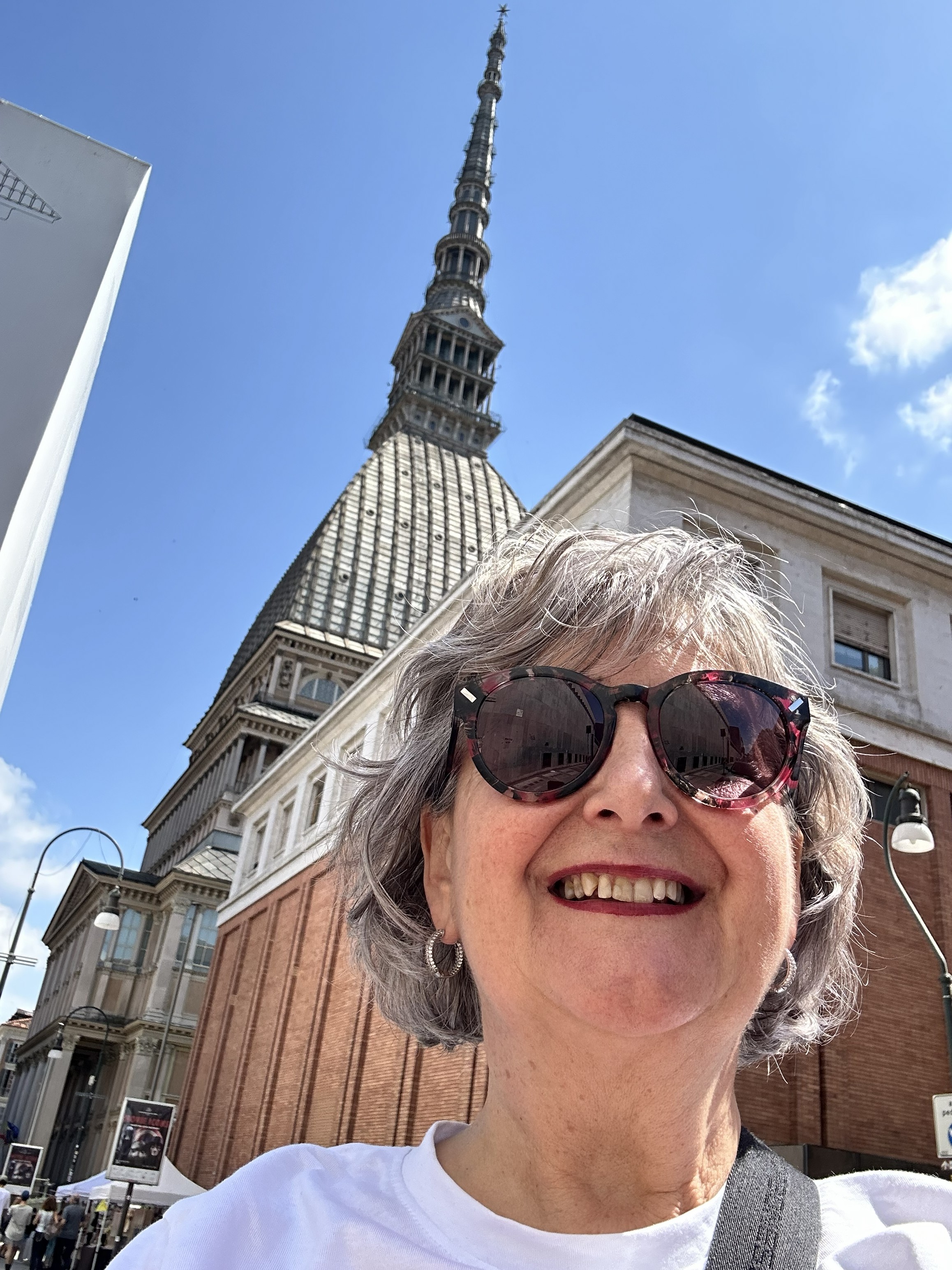
I have looked at it for years from different angles and it still surprises me. From Piazza Castello, from rooftops, from the streets of the centre or from the hills, it changes with the light, the sky and the season. It is not simply Turin’s symbol: it is the city’s signature. Behind that silhouette lies an extraordinary engineering challenge: in 1906, at 167 metres, the Mole became the tallest masonry building in Europe at the time, relying on load-bearing masonry rather than an original metal frame.
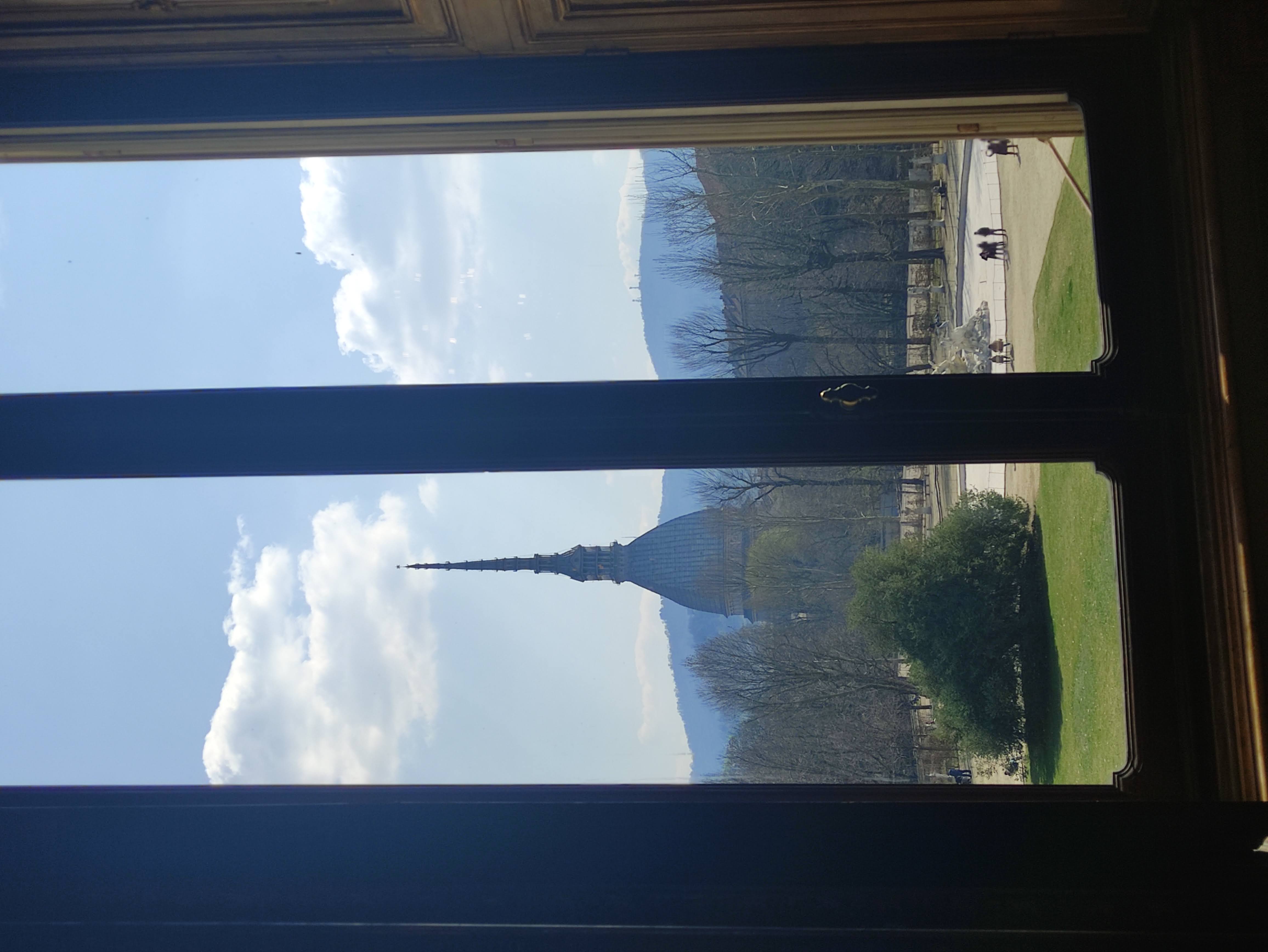
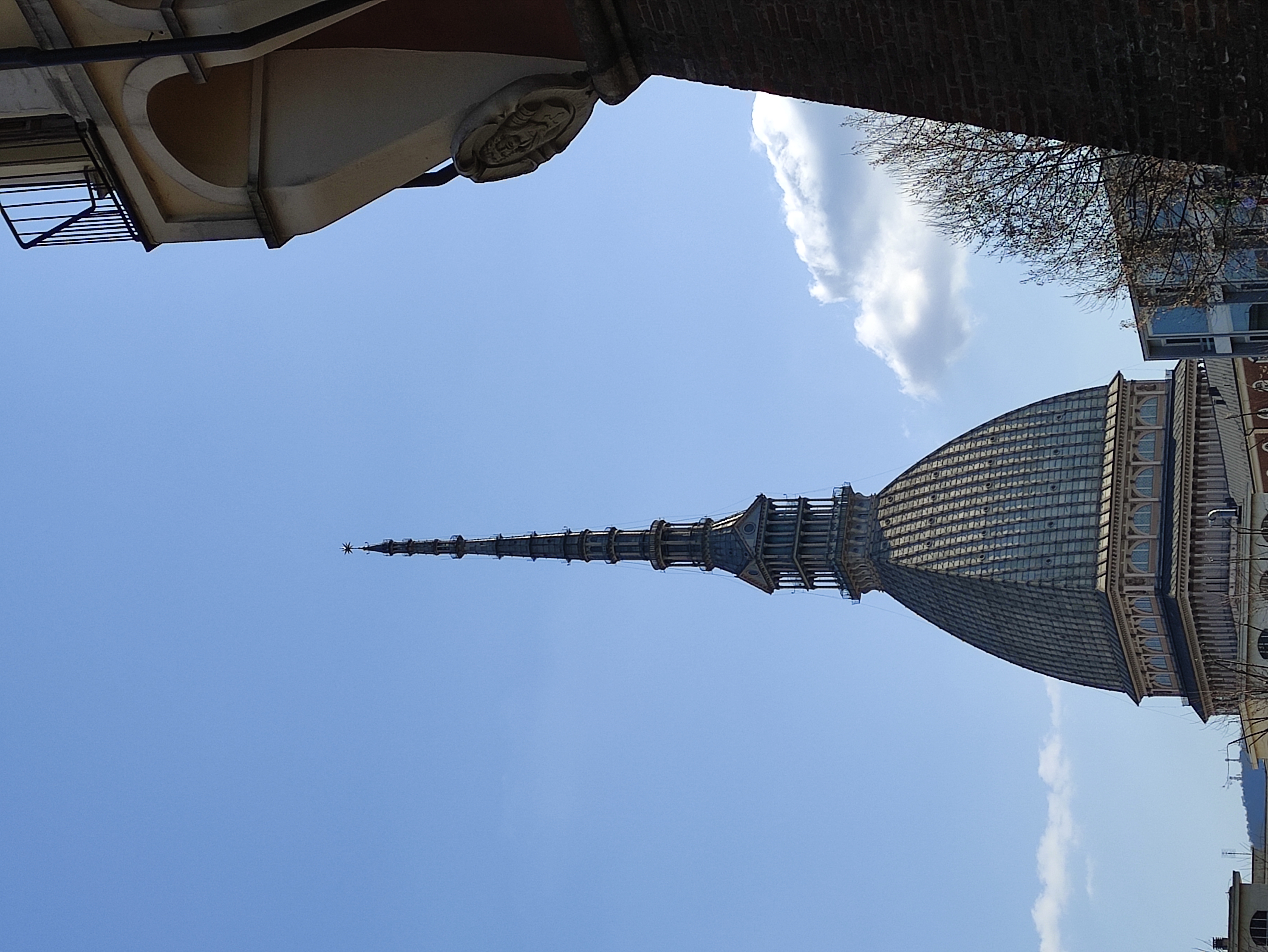
Alessandro Antonelli designed it in 1862 as a synagogue for Turin’s Jewish community. The project changed constantly: from an initial height of roughly 47 metres, it evolved into an ever taller, more complex and more expensive structure. The City of Turin acquired the building and continued the work; the Mole was completed in 1889 and reached its present height of about 167 metres in 1906. Antonelli’s structure relies on load-bearing masonry pushed to an extreme for its time. During the twentieth century major reinforced-concrete consolidation works were required, especially from the 1930s onward, and the spire was rebuilt after the violent storm of 1953. Its history is therefore also a continuing balance between architectural ambition, engineering and conservation.
Museo Nazionale del Cinema · Mole Antonelliana ↗Since 2000 the Mole has housed the National Cinema Museum, but the museum’s story begins much earlier. In 1941 Maria Adriana Prolo started the collection that would become its core. The Cinema Museum opened to the public at Palazzo Chiablese in 1958 and was officially recognised as the National Cinema Museum in 1965. On 20 July 2000 it reopened inside the Mole Antonelliana. The exhibition then rises through the building like a spiral, combining magic lanterns, posters, sets, objects and moving images.
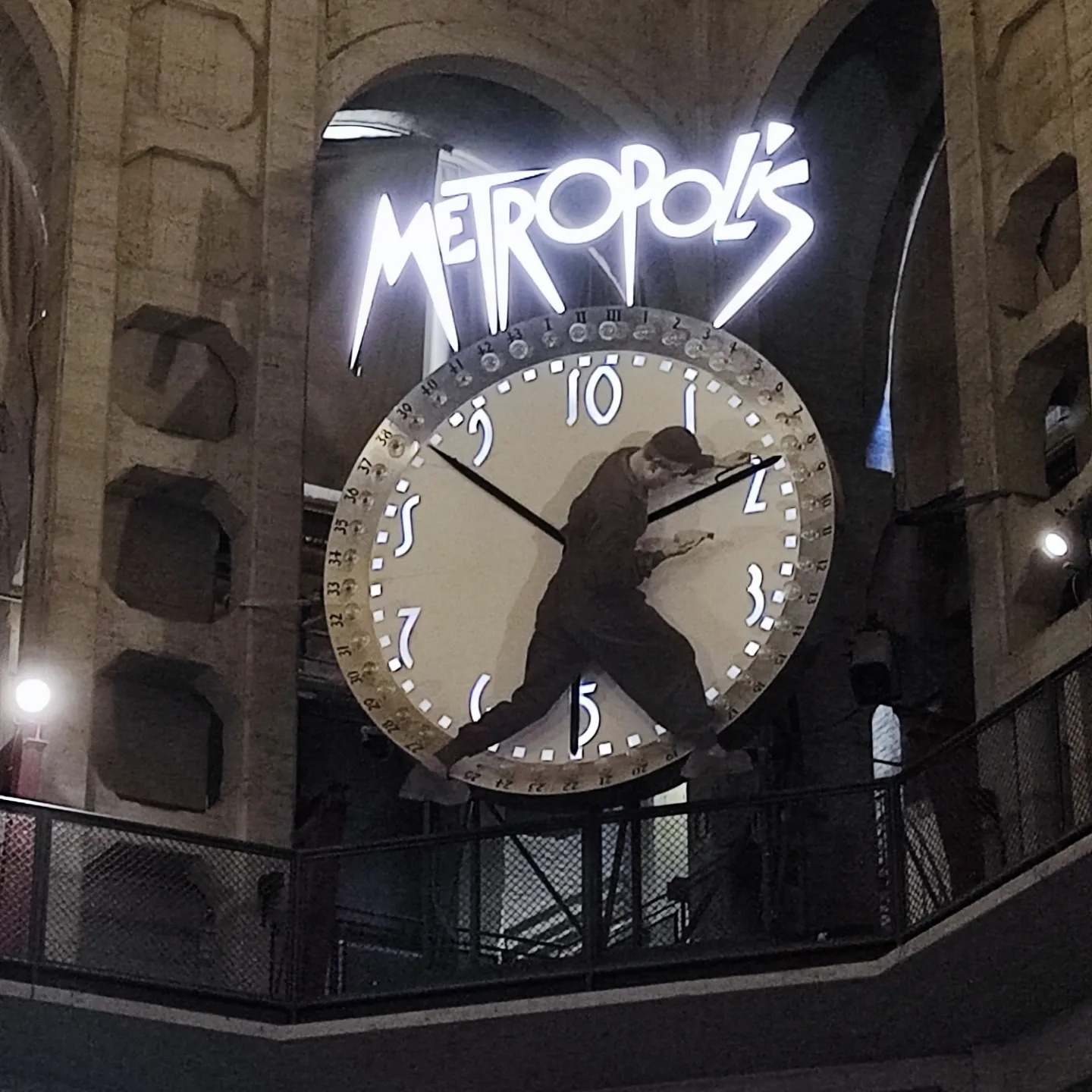
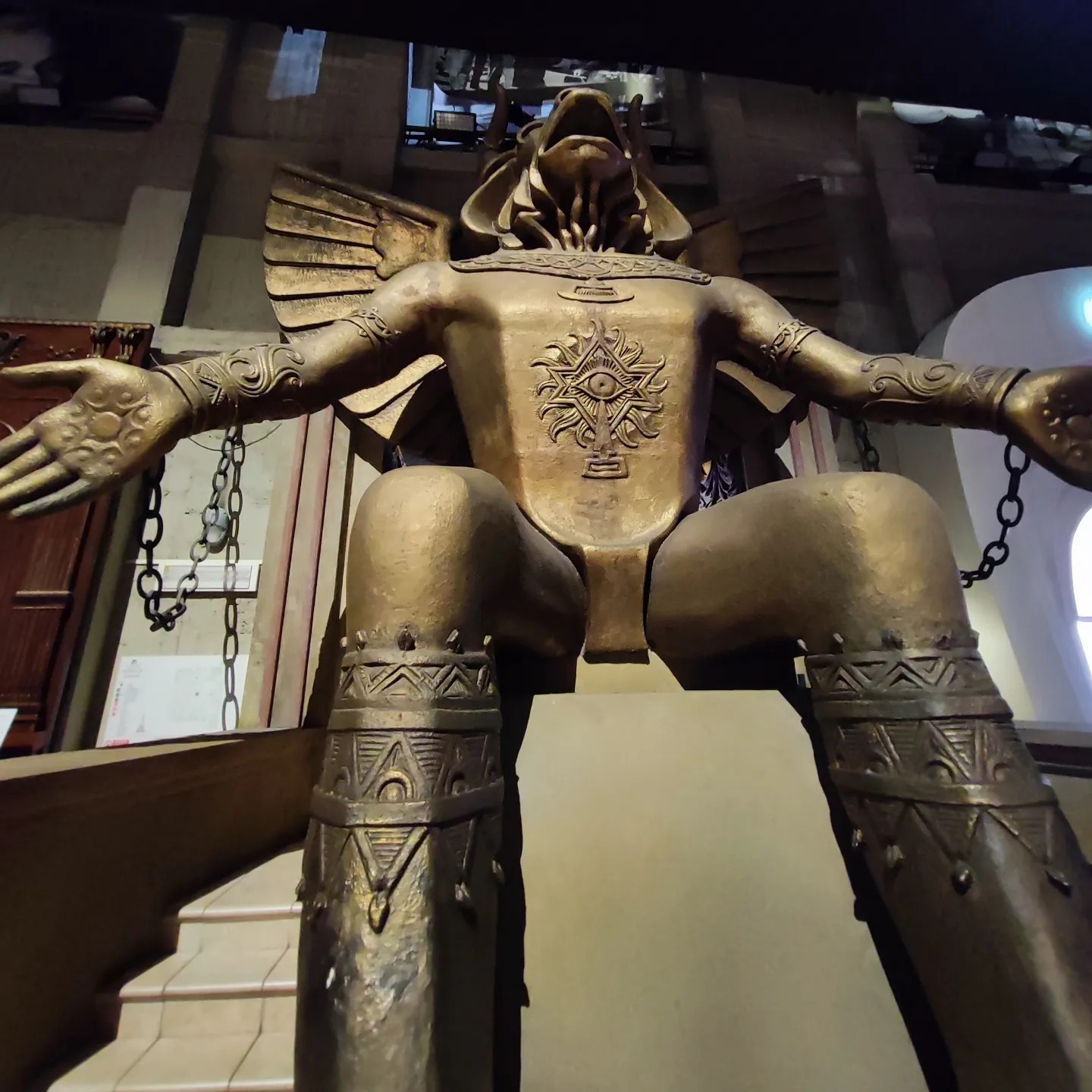
The panoramic lift crosses the vast central hall and reaches the Tempietto at 85 metres. It is one of the building’s most theatrical experiences: rising through open space before Turin suddenly unfolds around you.
From above, the roofs, the Po, the hills and the arc of the Alps become part of a single view. It is spectacular, but above all it makes Turin’s geography immediately understandable: the river, the hills and the plain suddenly fall into place. And every time I come back down, the Mole seems even more improbable.
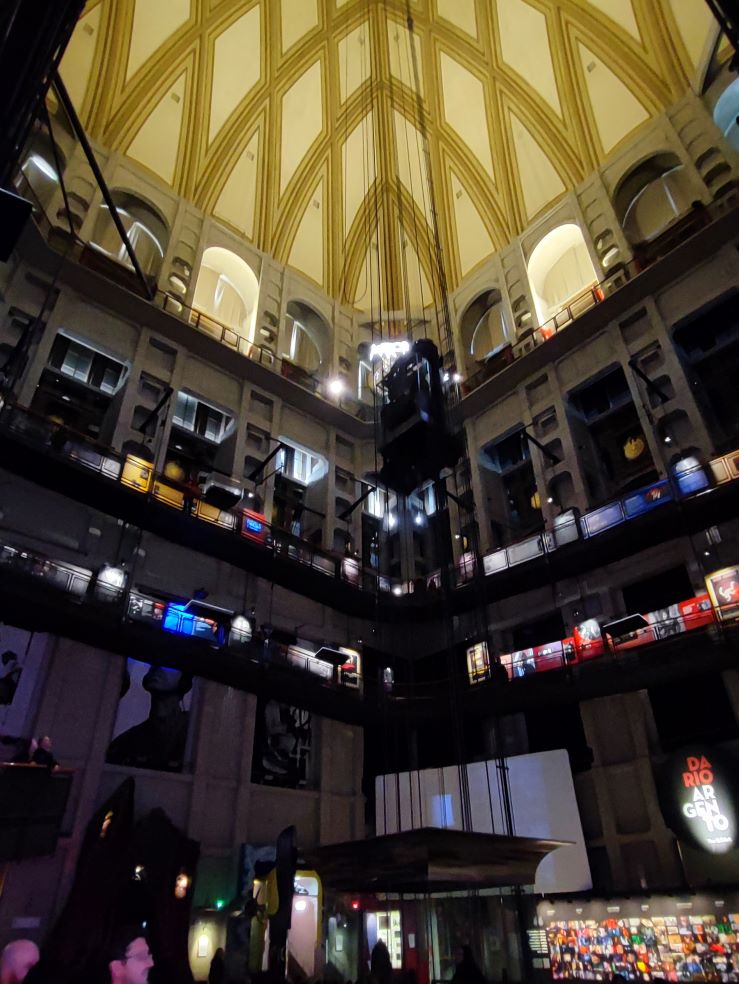
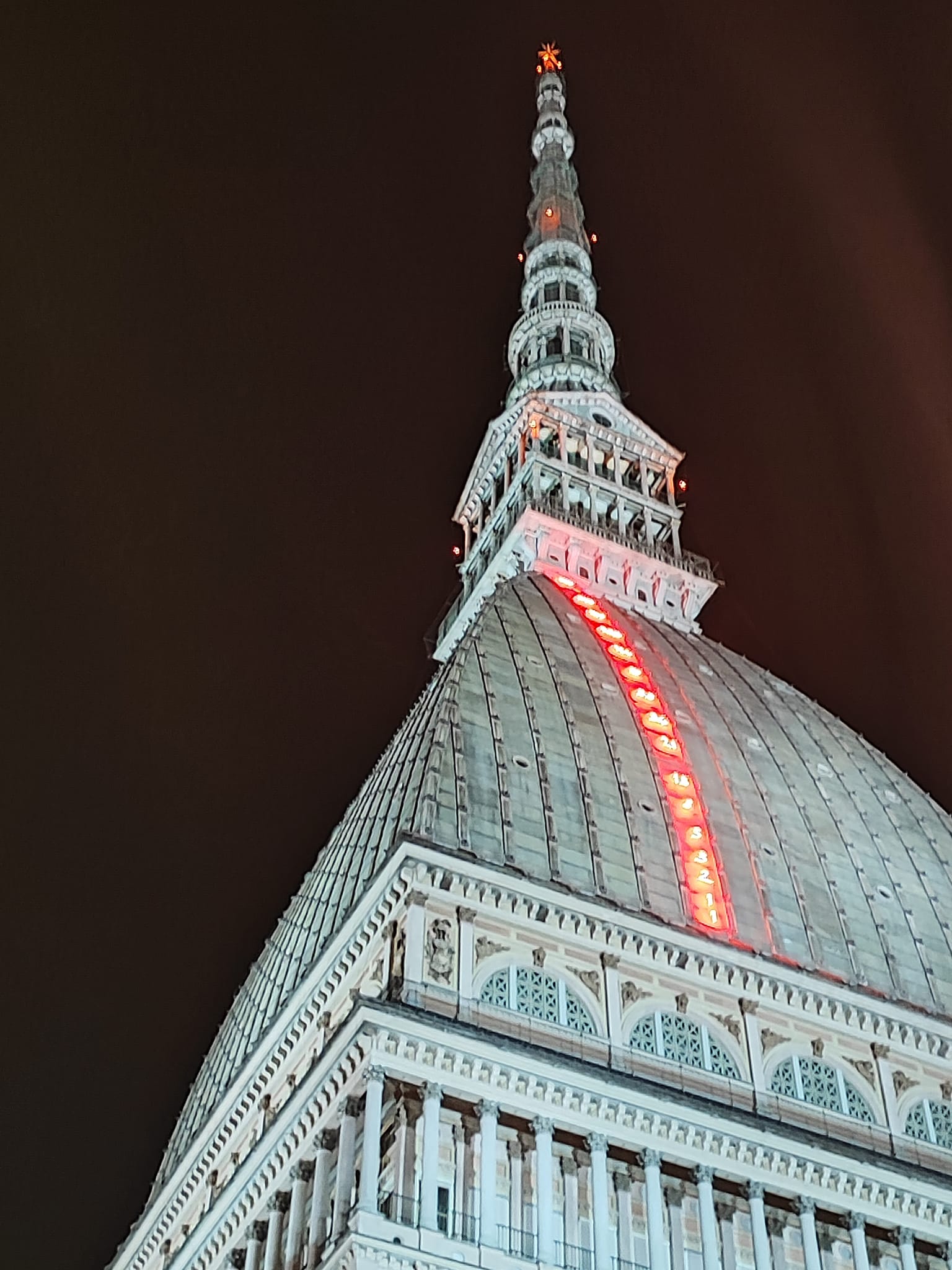
The Mole is not merely a container for the museum. Its verticality, vast central hall and ascending route are part of the experience. Cinema is made of light, darkness, perspective and surprise, and few buildings could frame it with the same force.
Permanent exhibition ↗I could photograph the Mole a hundred times and still find another angle. Perhaps that is why it remains Turin’s most powerful symbol for me: always the same, never quite identical.
The Mole Antonelliana houses the National Museum of Cinema. Check the official website for current tickets, availability and conditions for the museum and panoramic lift.
The Mole is approximately 167 metres tall. The panoramic Tempietto reached by the lift is at 85 metres, so the viewing platform is not at the very top of the building.
No. Alessandro Antonelli originally designed it as a synagogue. After the City of Turin acquired the building, it served other purposes; the National Museum of Cinema opened there in 2000.