MENTON · GARDENS · LANDSCAPE

MA VILLE EST UN JARDIN

In Menton, gardens are not just decoration: they are part of the city’s identity. Climate, hills, light and the legacy of botanists, collectors and villa owners created an exceptional planted landscape.

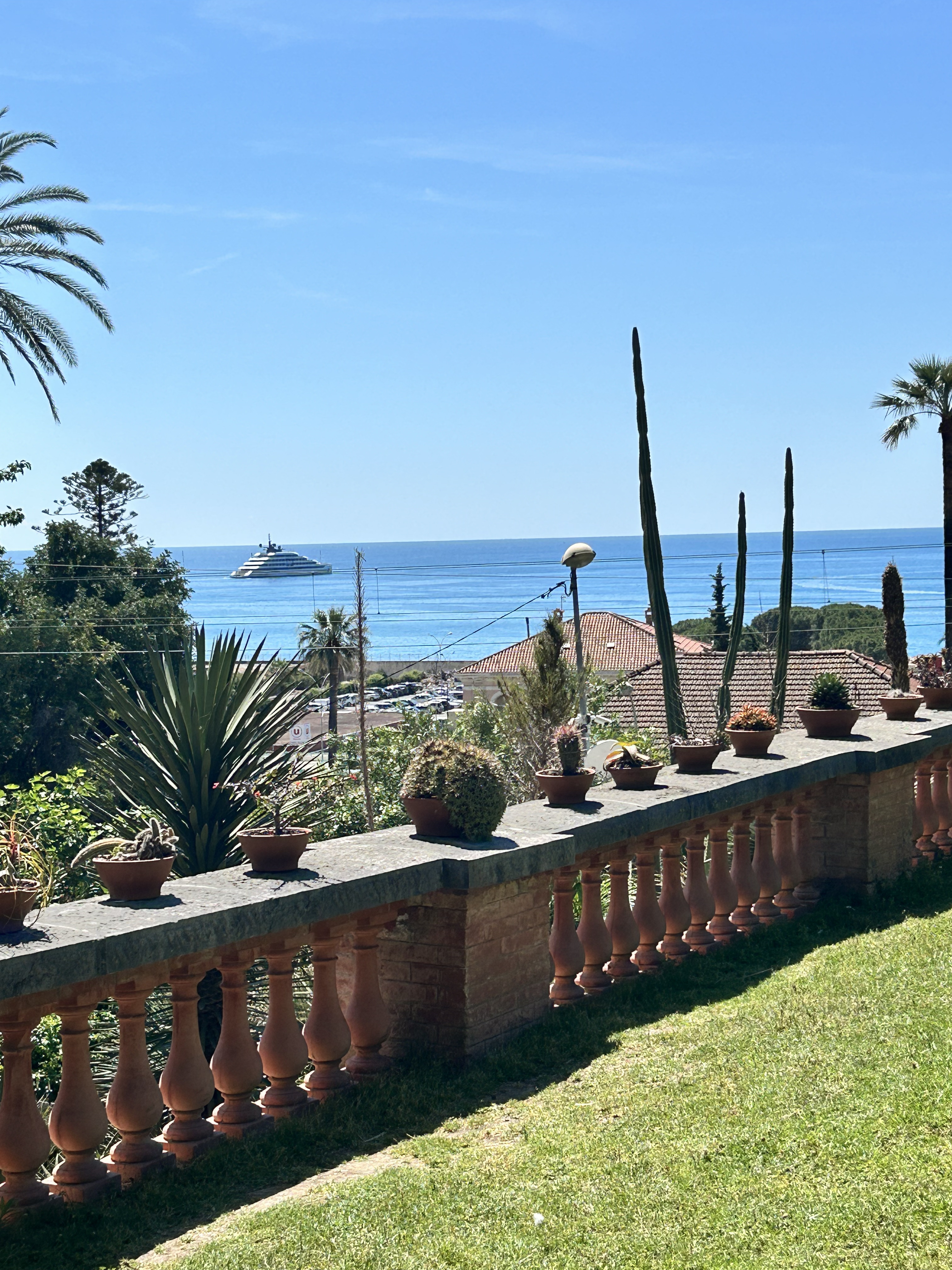
Sea view from the Val Rahmeh botanical garden in Menton
Val Rahmeh · Menton botanical garden
BOTANICAL IDENTITY

A garden city

The phrase “Ma ville est un jardin” captures the close relationship between Menton and its botanical heritage. Villas, parks, citrus gardens and historic estates form a continuous landscape linking architecture, memory and place.

Menton’s microclimate, sheltered by mountains and open to the sea, made acclimatisation gardens possible: tropical and subtropical plants thrive outdoors. In the nineteenth century British physician James Henry Bennet promoted Menton across Europe as a winter health resort, attracting aristocratic families and international visitors. Nearby Roquebrune-Cap-Martin also welcomed Queen Victoria, Empress Elisabeth of Austria (Sisi) and Empress Eugénie, who owned Villa Cyrnos.

Val Rahmeh

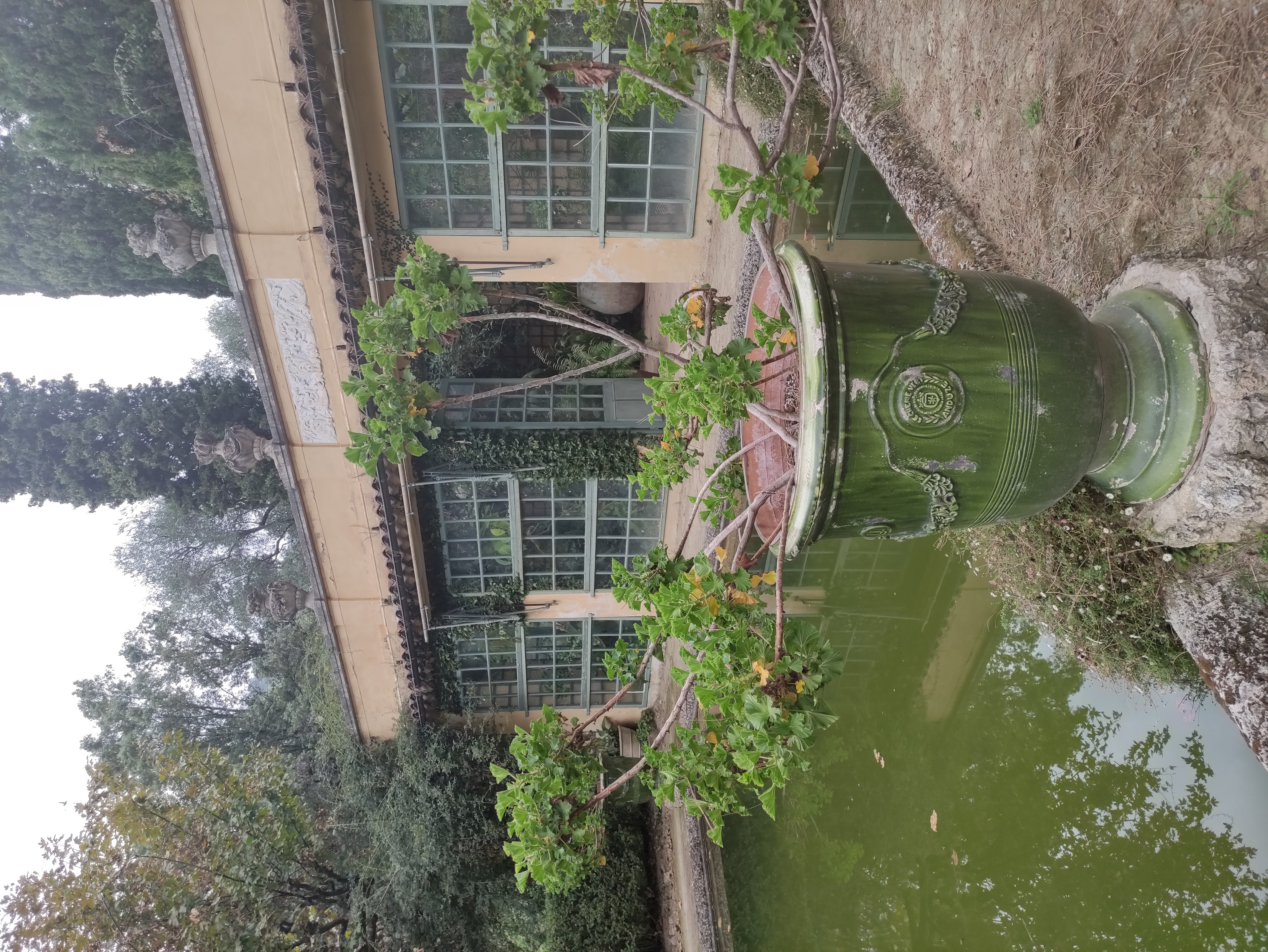
Val Rahmeh’s story begins in the early twentieth century, when British general Percy Radcliffe transformed farmland into a garden named for Rahmeh. In 1957 Maybud Campbell bought the estate, enriched its collections and created spaces including a pool of lotuses and water lilies. Managed by the Muséum national d’Histoire naturelle since 1966, it is now a botanical garden dedicated in part to the conservation of threatened species. Sources and further reading : MNHN ↗
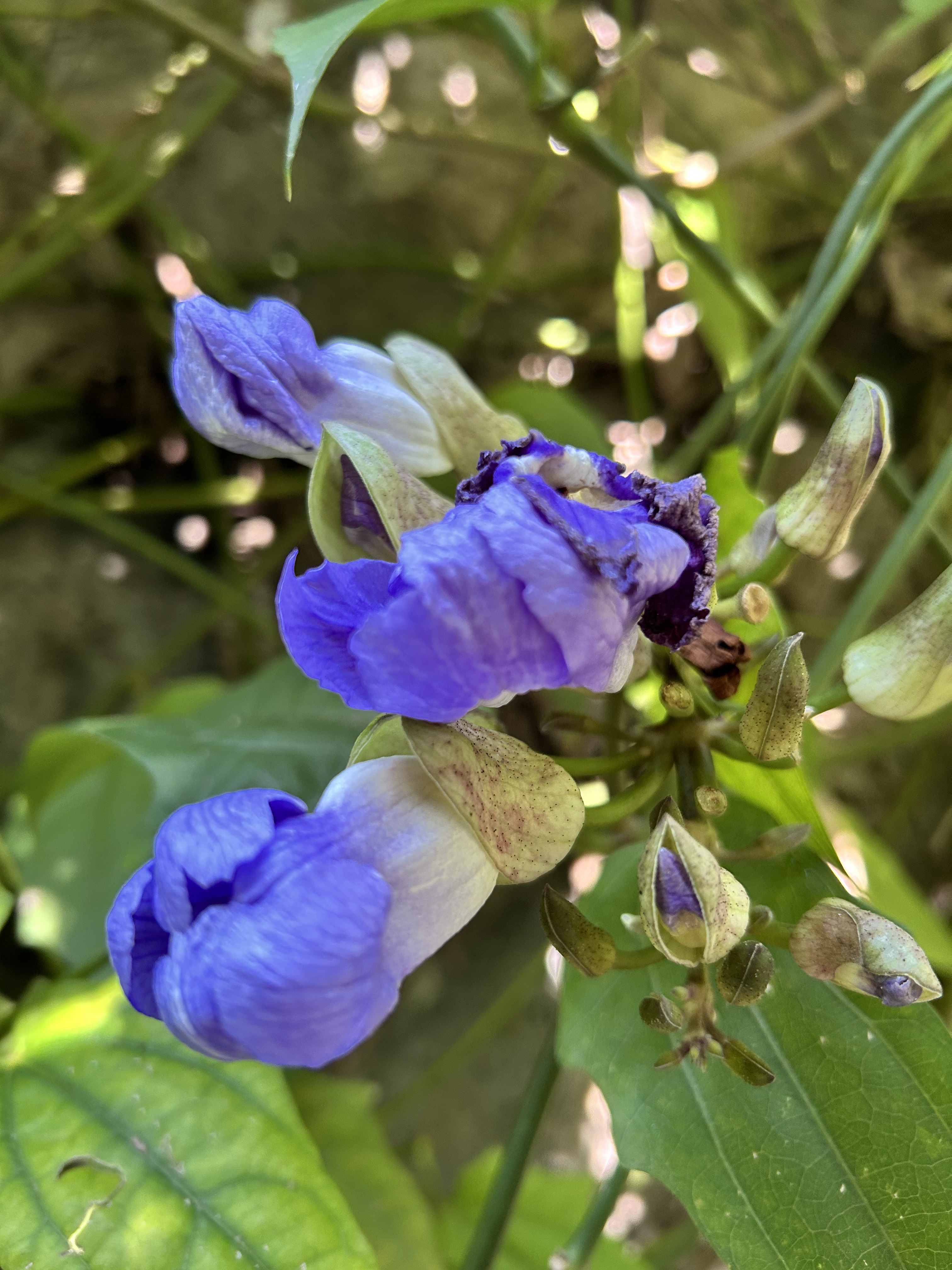
Flowers in the Val Rahmeh botanical garden in Menton
Val Rahmeh · botanical detail
HERITAGE

Villa Maria Serena

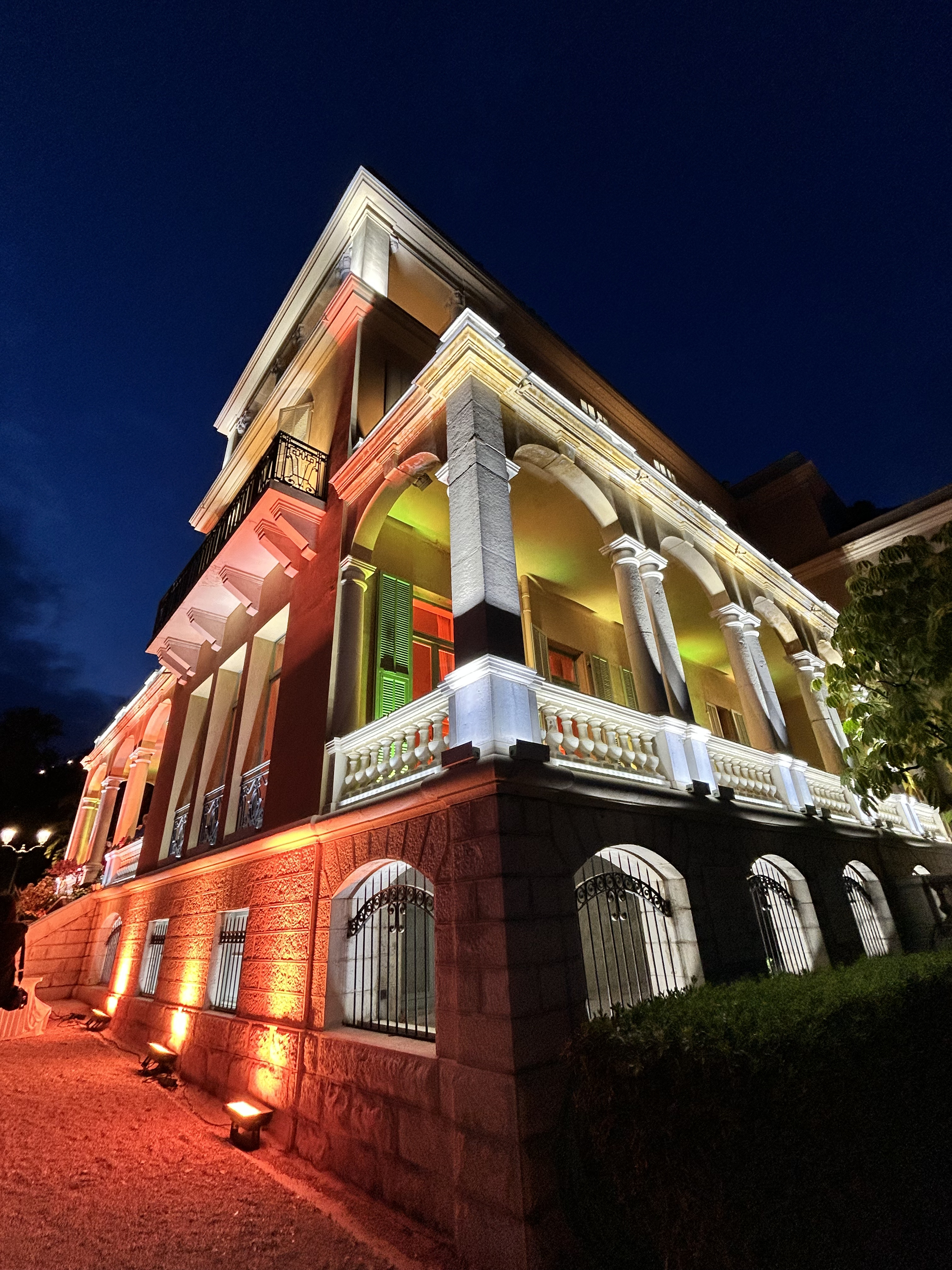
Between 1882 and 1885 Count Louis-Alexandre Foucher de Careil built a holiday villa in Garavan near the Italian border, surrounded by palms and exotic planting. Long attributed to Charles Garnier, the architecture is now associated in heritage research with Scipion Aimé Jeansoulin. Henry Konig acquired the estate in 1922 and transferred it to the town of Menton in 1947. Its garden, nicknamed “Little Africa” for its mild microclimate, reflects the cosmopolitan Belle Époque Riviera. Sources and further reading : Région Sud ↗

Villa Maria Serena and its garden in Garavan, Menton
Villa Maria Serena · Garavan, Menton
HISTORIC GARDENS

Serre de la Madone

In the hills above Menton, Lawrence Johnston, the creator of Hidcote in England, developed an extraordinary botanical landscape between 1924 and 1939. Terraces, vistas, pools and pergolas frame plants gathered on his travels. Exotic species mingle with Mediterranean scenery: this is not merely a collection but a carefully composed work of garden art. Sources and further reading : Serre de la Madone ↗

Serre de la Madone garden in Menton
Serre de la Madone · Menton
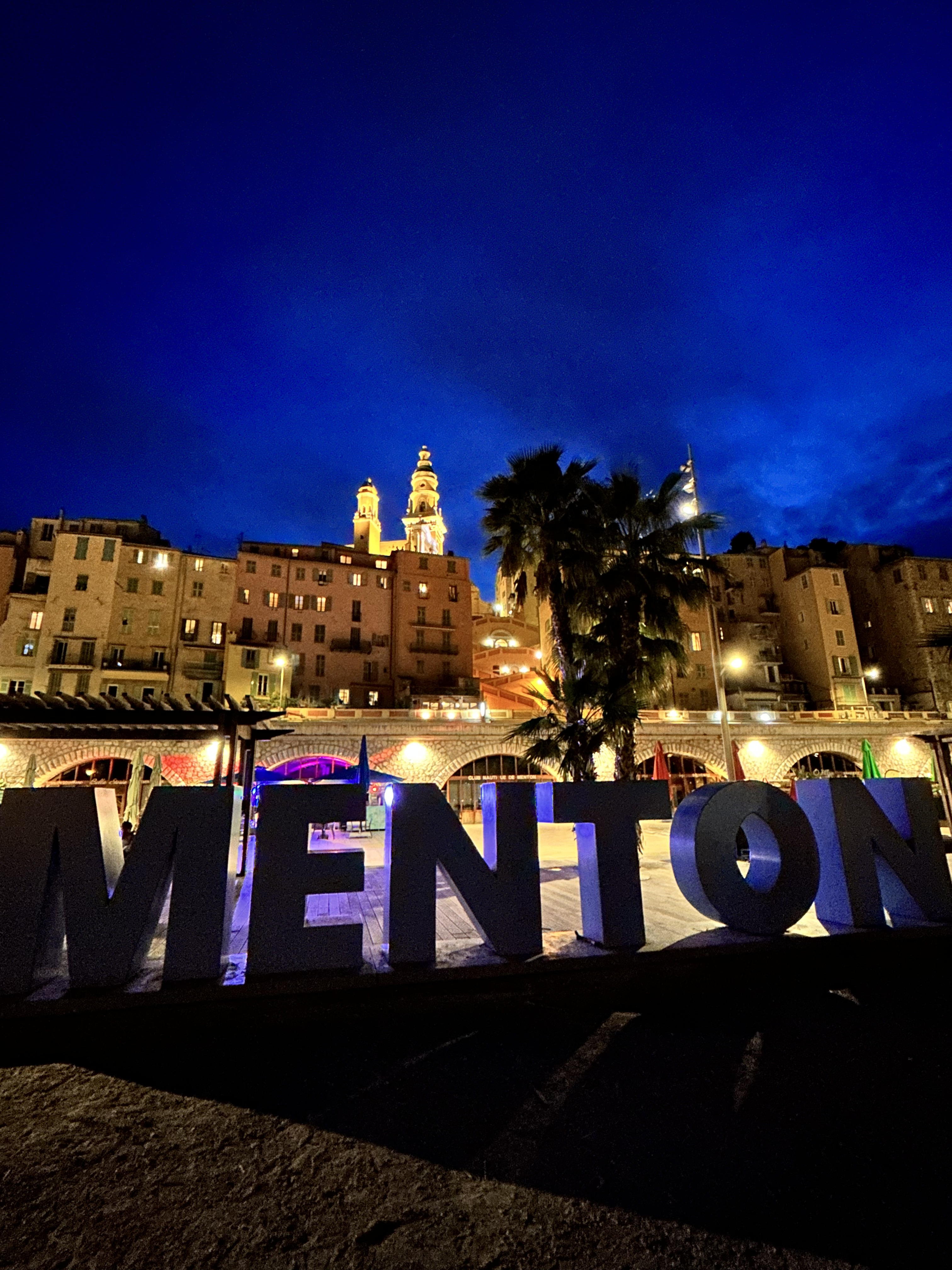
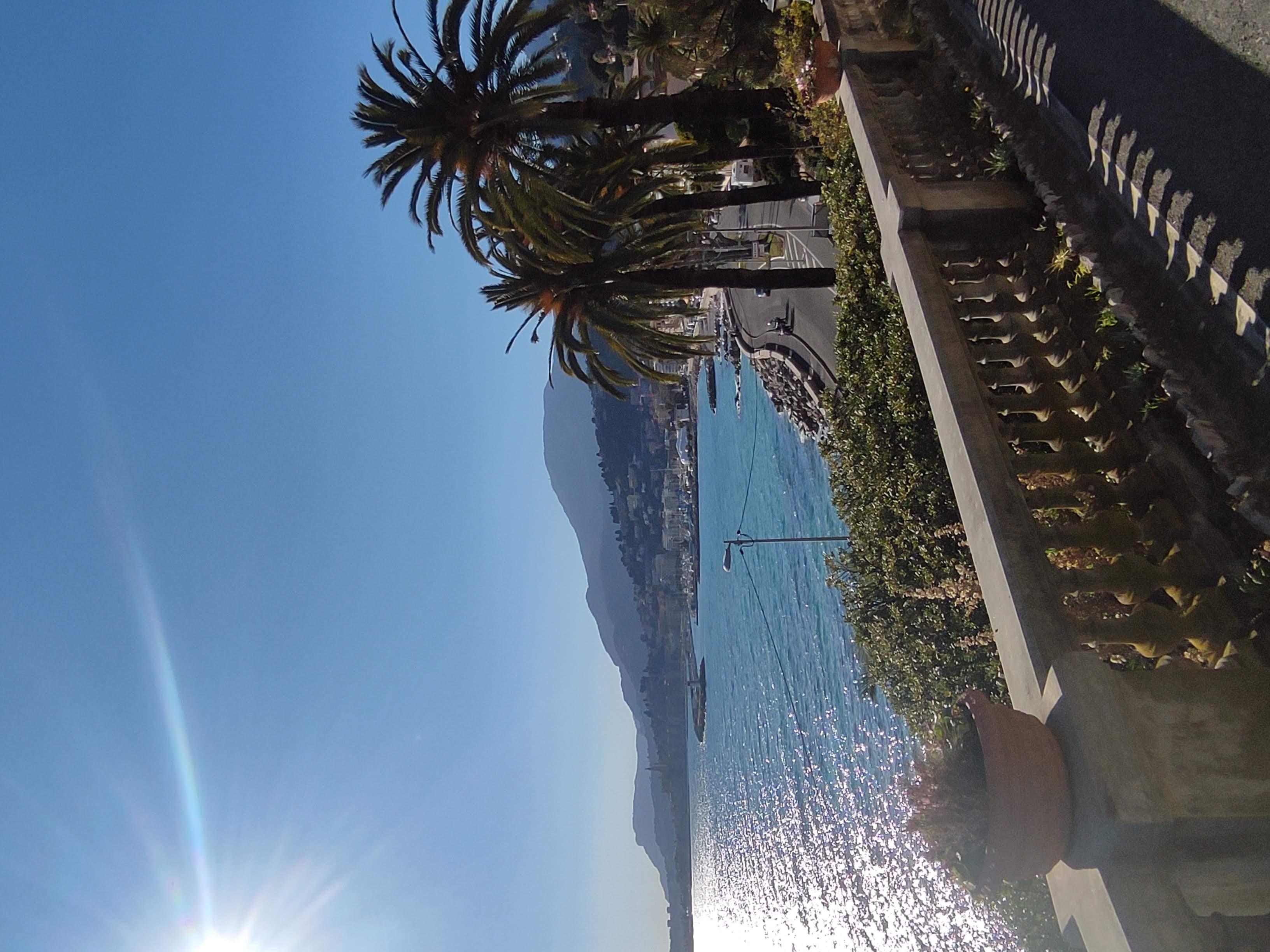
Menton seen from Les Sablettes
Serre de la Madone garden in Menton
View from the Villa Maria Serena garden in Menton

Frequently asked questions

Why does Menton have acclimatisation gardens?

Its mild microclimate, sheltered by mountains and influenced by the nearby sea, allows many tropical and subtropical plants to grow outdoors. Acclimatisation gardens reflect this relationship between climate and botanical collections.

Source: Muséum national d’Histoire naturelle · Val Rahmeh ↗

Which gardens does this page explore?

The page focuses on Villa Maria Serena, Serre de la Madone and Val Rahmeh: a Riviera villa, Lawrence Johnston’s landscape design and a botanical garden of the Muséum national d’Histoire naturelle.

Is Val Rahmeh only an ornamental garden?

No. It is a botanical garden of the Muséum national d’Histoire naturelle. Alongside its collections and visitor experience, it contributes to biodiversity conservation, including threatened species.

Source: Muséum national d’Histoire naturelle · Val Rahmeh ↗

SOURCES AND FURTHER READING
Menton Riviera & Merveilles · Ville-jardin ↗Région Sud · Villa Maria Serena ↗Serre de la Madone · Histoire ↗Muséum national d’Histoire naturelle · Val Rahmeh ↗Ville de Menton · Serre de la Madone ↗