Turin’s piola: taverns, literature and songs
In Turin, a piola is more than a simple trattoria. It is where a glass of wine, a game of cards or bowls, long conversations and songs brought neighbourhoods together. Its story belongs to the city’s social history, literature and Piedmontese language.
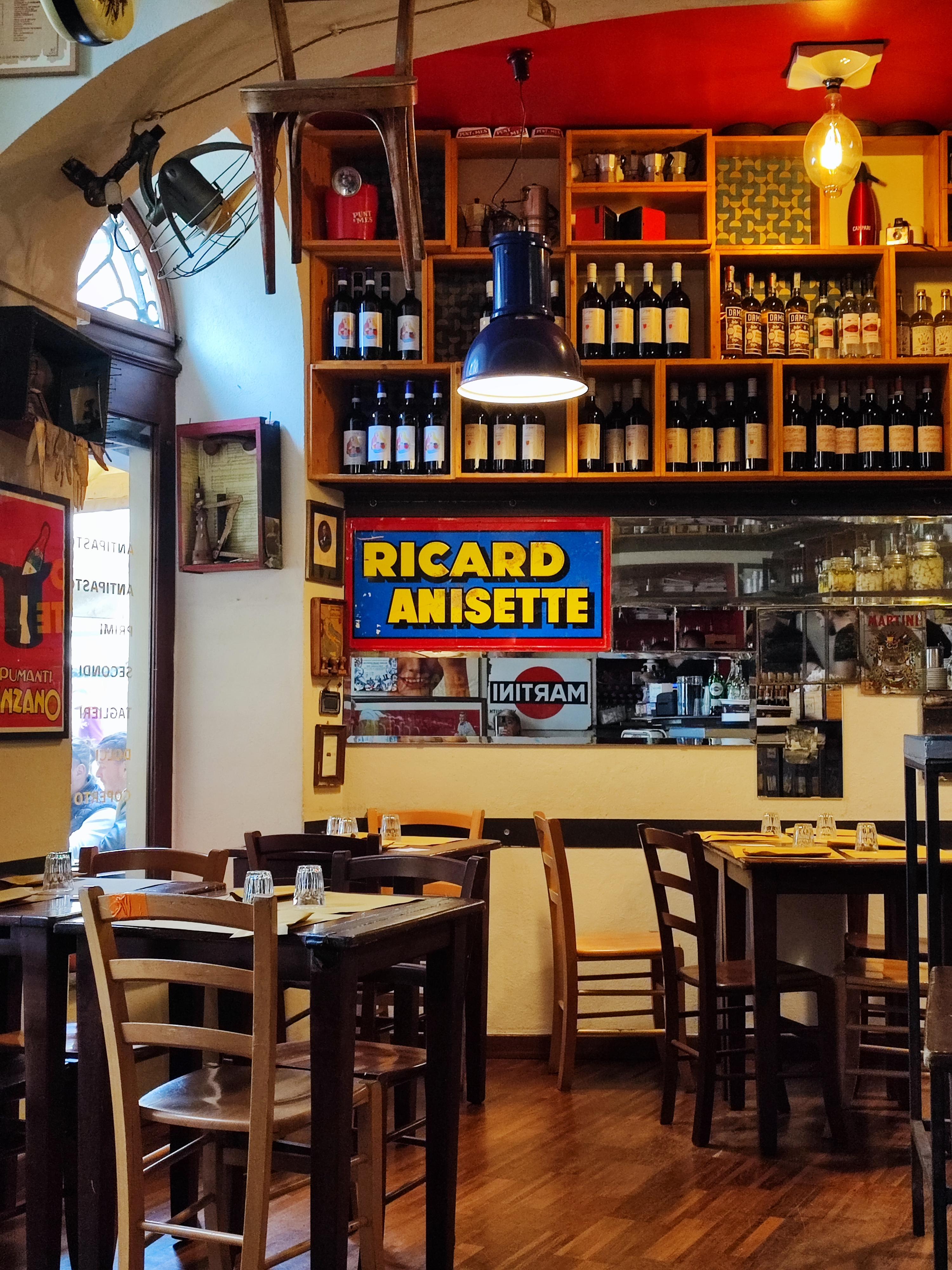
What exactly is a piola?
In Piedmontese, piòla means a modest wine tavern or inn, sometimes offering meals as a trattoria. Its etymology is disputed: suggestions include French slang piaule/piolle and the rung of a staircase. Neither should be presented as definitively established.
More important than the name is the atmosphere: the proprietor knows the regulars, wine is served by the measure and the food follows the day’s cooking.
Turin’s history from street level
Historical records classified inns, wine cellars, trattorie and wine merchants, not a distinct administrative category of piola. The Guida alle piole cites Goffredo Casalis’s 1851 figures for Turin: 159 inns, 21 cellars and 22 trattorie, alongside wine sellers. These are not an exact piola census but show how common such places were.
Across working-class neighbourhoods, mutual-aid societies, bowling clubs and wine rooms, people of different ages and backgrounds met.
Food at the piola
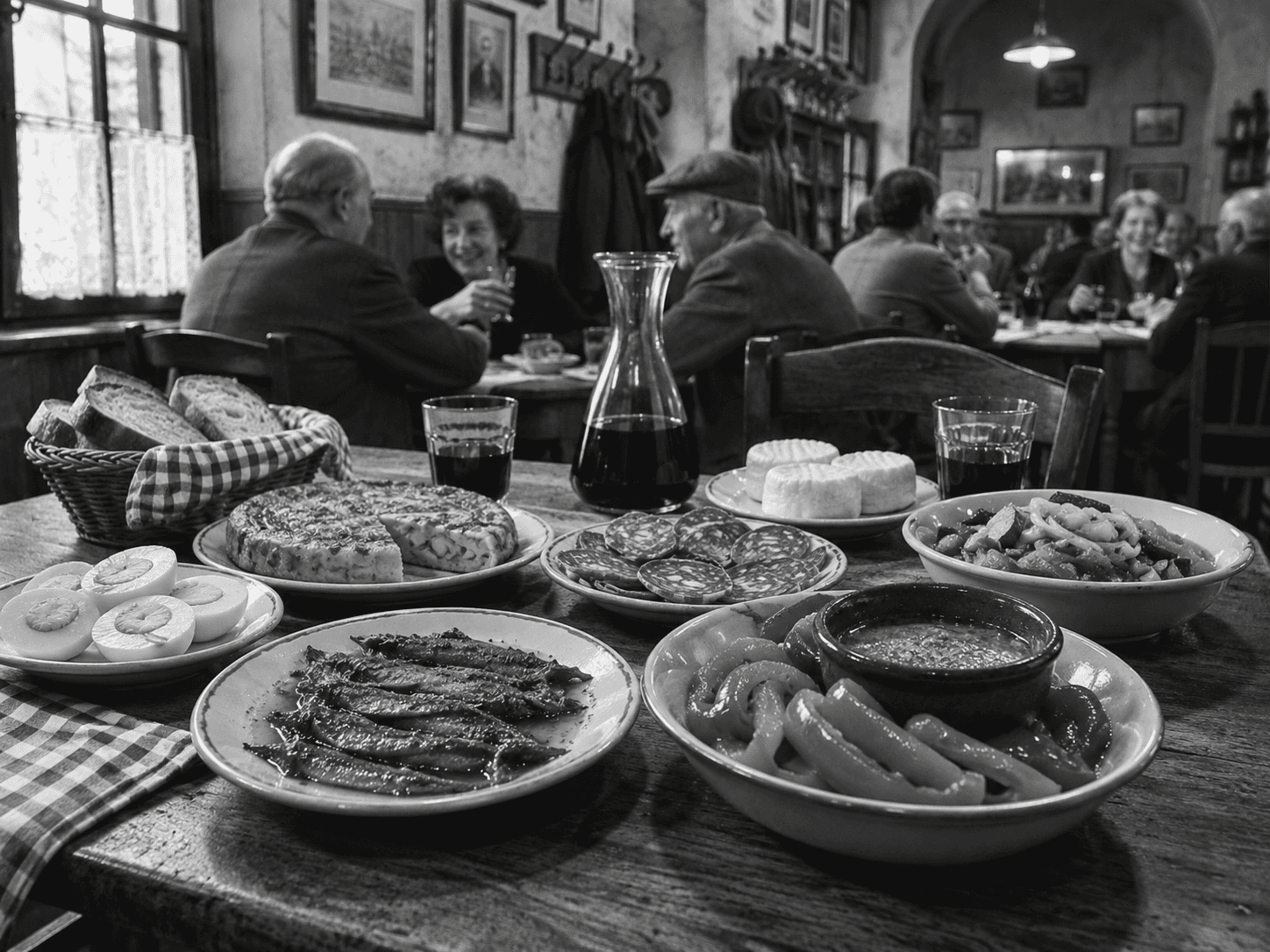
Boiled eggs, anchovies in green sauce, omelettes, salami, tomini cheese, peppers with bagna cauda and vegetables in carpione were familiar offerings. On some days there might be boiled meats, tongue or slow-cooked dishes. Local wine came by the quarter- or half-litre.
The merenda sinoira was a substantial late-afternoon meal that could replace dinner. Oral histories in Granai della Memoria recall bowls, pergolas and food shared at the table.
The piola in literature
Luigi Davì’s Gymkhana-Cross (1957) portrays an old tavern remade into a modern bar. In The House on the Hill (La casa in collina, 1948), Cesare Pavese uses the Fontane as a wartime place of meetings and singing.
In Marcovaldo’s La fermata sbagliata, Italo Calvino turns a fogbound inn into a place of disorientation. Beppe Fenoglio describes an inn in Mango in Il partigiano Johnny. Giovanni Arpino remembers taverns in his introduction to Gian Paolo Cavallero’s photographic book Vino e Osterie (1980). The Guida alle piole documents these literary connections.
Le canssôn dla piòla: the singing tavern
Fonit Cetra issued two Le canssôn dla piola records in 1965, performed by Roberto Balocco and curated by Piero Novelli; the Roberto Leydi archive preserves their catalogue details. Roberto and Piergiorgio Balocco later continued to document the tradition.
Key references include Le canson dla piòla (Graphot, 2006), with scores and CD, and Canson & tradission dal 1600 a le canson dla piòla (1999). Spelling follows the recorded editions; copyrighted lyrics are not reproduced.
Voices from popular Turin
Rosa Camoirano’s oral history in Granai della Memoria recalls songs sung in Turin’s courtyards and taverns, including Giacu Truss, Maria Giuana and Ciau Ciau Maria Catlina.
Gipo Farassino belongs to the related but distinct story of Piedmontese-language singer-songwriters and Turin’s neighbourhood life. His catalogue is not mislabelled here as traditional piola songs.

His songs evoke working-class Turin with humour and nostalgia. He belongs in the wider cultural story of the piola, without being mistaken for a performer of the original tavern-song collections.
A living heritage
Today the word piola appears on very different establishments. Its identity is not guaranteed by checked tablecloths or a traditional dish: hospitality and community matter just as much.
These venues connect Turin’s cuisine with oral memory, literature and song, without reducing local culture to nostalgia.
Sources and further reading
- Bruno Gambarotta e Gianni Sartorio, Guida alle piole (Neos, 2010) ↗
- Biblioteche civiche torinesi, Le tradizioni popolari piemontesi (bibliografia) ↗
- Fondo Roberto Leydi, catalogo discografico: Le canssôn dla piola (1965) ↗
- Granai della Memoria: Rosa Camoirano, canzoni delle osterie torinesi ↗
- Granai della Memoria: Giovanna Ruo Berchera, merenda sinoira ↗
- MuseoTorino: Gipo Farassino ↗
- Pastis Torino, storia del locale e del frammento del Muro di Berlino ↗
- Città di Torino, scheda Pastis: apertura nel 2000 ↗
- Pastificio Giustetto, storia della bottega ↗
- Città di Torino, Pastificio Giustetto e merenda sinoira ↗
- Salumerie Falchero, sede e proposta gastronomica ↗
- Paolo Tibaldi, Gazzetta d’Alba, «Piòla» (2022) ↗